Skip to content
Blue Life CommonsOcean Intelligence
MissionIn expert review

Harbor Seal Beach Monitoring

California

Harbor Seal Beach Monitoring

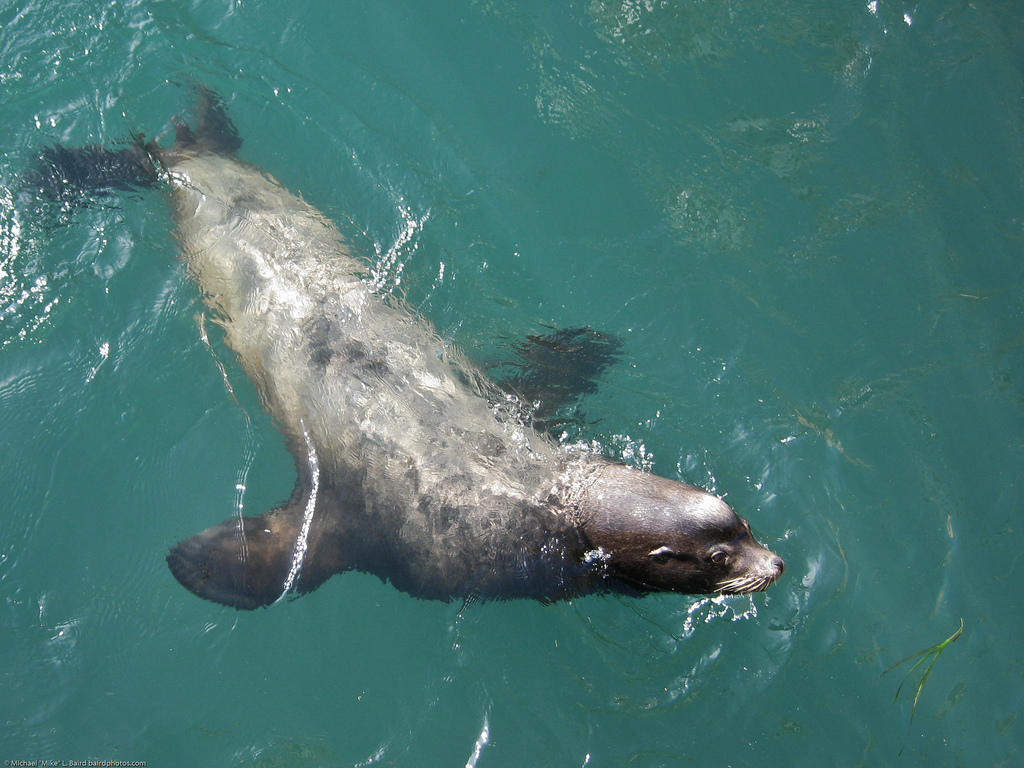
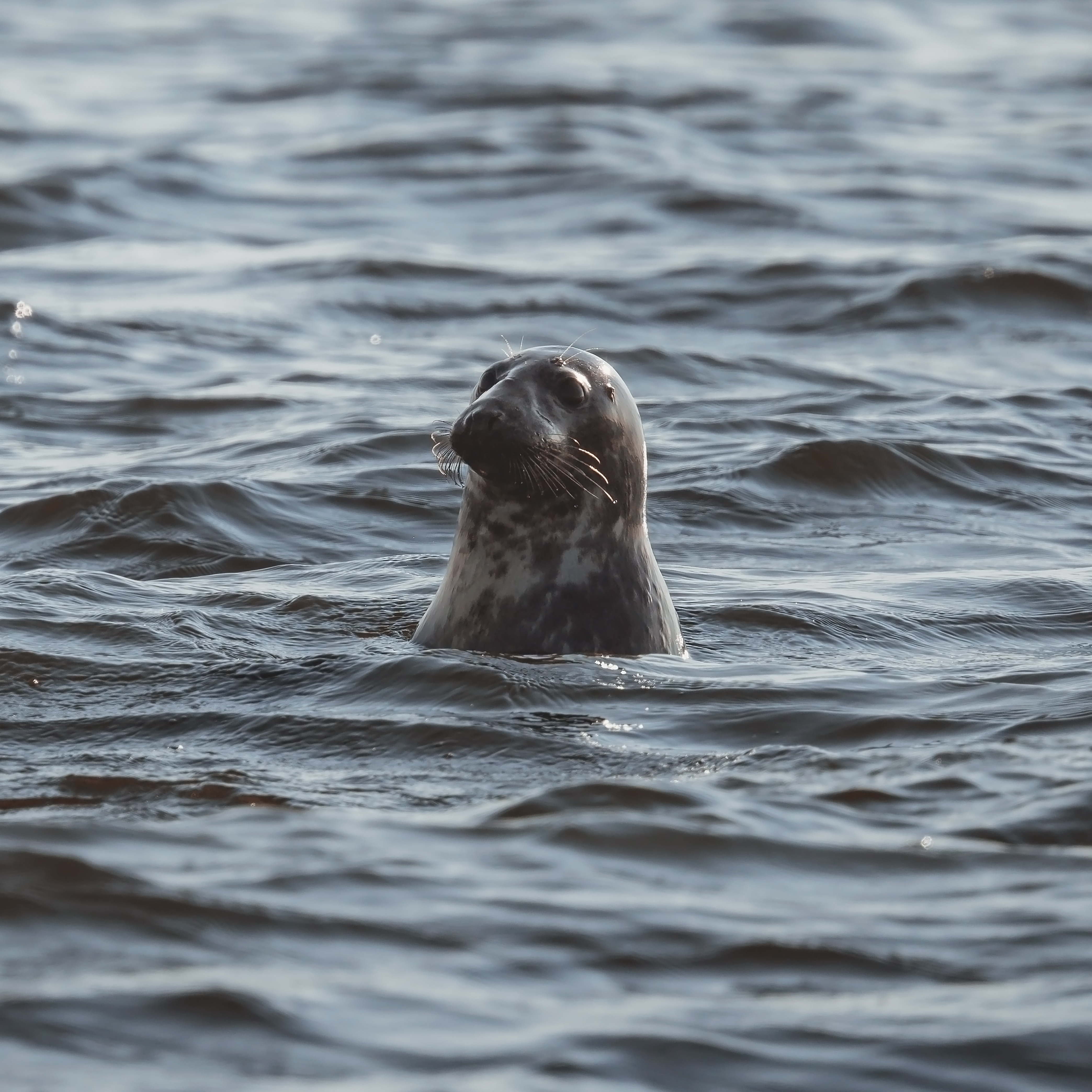
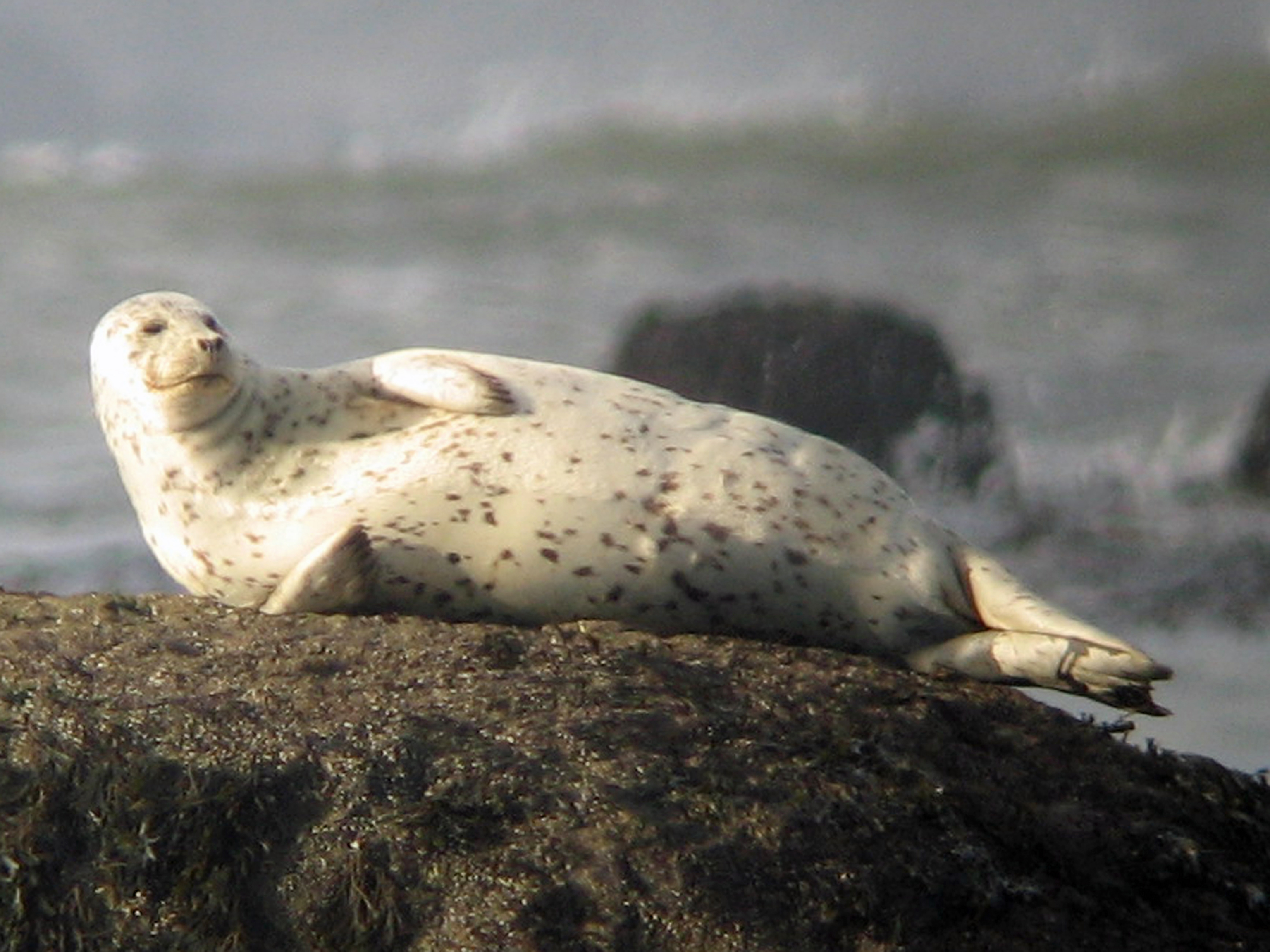
Participate in coastal monitoring of harbor seals (Phoca vitulina) at sandy beaches and rocky haul-out sites. By observing seal count, demographic composition (adults vs. pups), and human-induced disturbances, you help local marine conservation organizations protect vital resting habitats.

Mission overview

This is a beginner-friendly shore-based mission. Participants will visit a designated coastal viewing point, observe harbor seals using binoculars or spotting scopes, and record haul-out counts and any signs of disturbance.

  • Ages: All ages (under 18 must be accompanied by an adult)
  • Time Commitment: 1 to 2 hours per session
  • Activity Level: Low (stationary shore observation)

What you'll need

  • Gear: Binoculars (minimum 7x or 8x magnification) or a spotting scope, a clipboard, and a pen.
  • Recording Tools: Smartphone with a GPS app or a camera for habitat photos (taken from a distance).
  • Clothing: Layered windproof clothing, sturdy walking shoes, and sun protection.
  • Permits: None required for viewing from public coastal access areas. Do not enter closed beach reserves.

Where and when

Observe at designated coastal overlooks along the California coast (e.g., Monterey Peninsula, Point Reyes, or Carpinteria).

  • Best Season: Year-round. Pupping season occurs from March to May; molting season from June to August. These seasons are particularly sensitive.
  • Best Time of Day: High tide or early morning when seals are most likely to haul out on rocks or sand to rest.

Ethical observation rules (do no harm)

This section overrides all other instructions.

  • Minimum approach distance: Maintain a distance of at least 50 yards (150 feet) from hauled-out seals, as mandated by NOAA viewing guidelines.
  • Signs of disturbance: Watch for behavioral changes. If a seal:
    • Raises its head to look directly at you (alert response)
    • Begins moving towards the water (flight response)
    • Shows signs of distress (vocalizing, rapid breathing) You are too close. Immediately back away slowly and quietly.
  • Never: Touch, feed, chase, throw objects, or make loud noises near seals. Keep dogs on a leash and far away from seal beaches (dogs are viewed as predators and can cause severe stampedes).

Mission steps

  1. Locate your observation point: Stand at a public overlook, cliff top, or beach boardwalk that provides a clear line of sight to the seal haul-out without approaching within 50 yards.
  2. Setup and wait: Spend 5 minutes letting your presence settle. Adjust your binoculars or scope.
  3. Conduct count: Count the total number of seals on land. If possible, note how many are adults, juveniles, or pups.
  4. Monitor activity: Observe for 30 minutes. Record any human activities nearby (walkers, kayakers, dogs) and note if the seals show alert, flight, or flush responses.
  5. Log data: Complete your observation log.
  6. Leave quietly: Retrieve all trash, pack your gear, and leave the overlook without making sudden movements.

Recording your observations

Record the following metrics:

  • Date, Start/End Time, and exact GPS coordinates of your viewing position
  • Weather conditions, tide height, and swell size
  • Total seal count (specifying adults/pups if distinguishable)
  • Number of human-induced disturbances (e.g., "Kayaker approached within 30 yards, causing 5 seals to flush into water")
  • Submit your completed data sheets to the iNaturalist project or your local Harbor Seal Watch organization.

What your observations contribute to

Your data helps track haul-out trends and evaluate the effectiveness of local marine protected area (MPA) regulations and educational signage in reducing human disturbance.

Sources (1)

Every claim in this artifact traces to one of the citations below. Anything that could not be sourced was left out.

  1. [1]
    NOAA West Coast Marine Mammal Viewing GuidelinesAccessed 2026-06-12