Approvedpublic domain
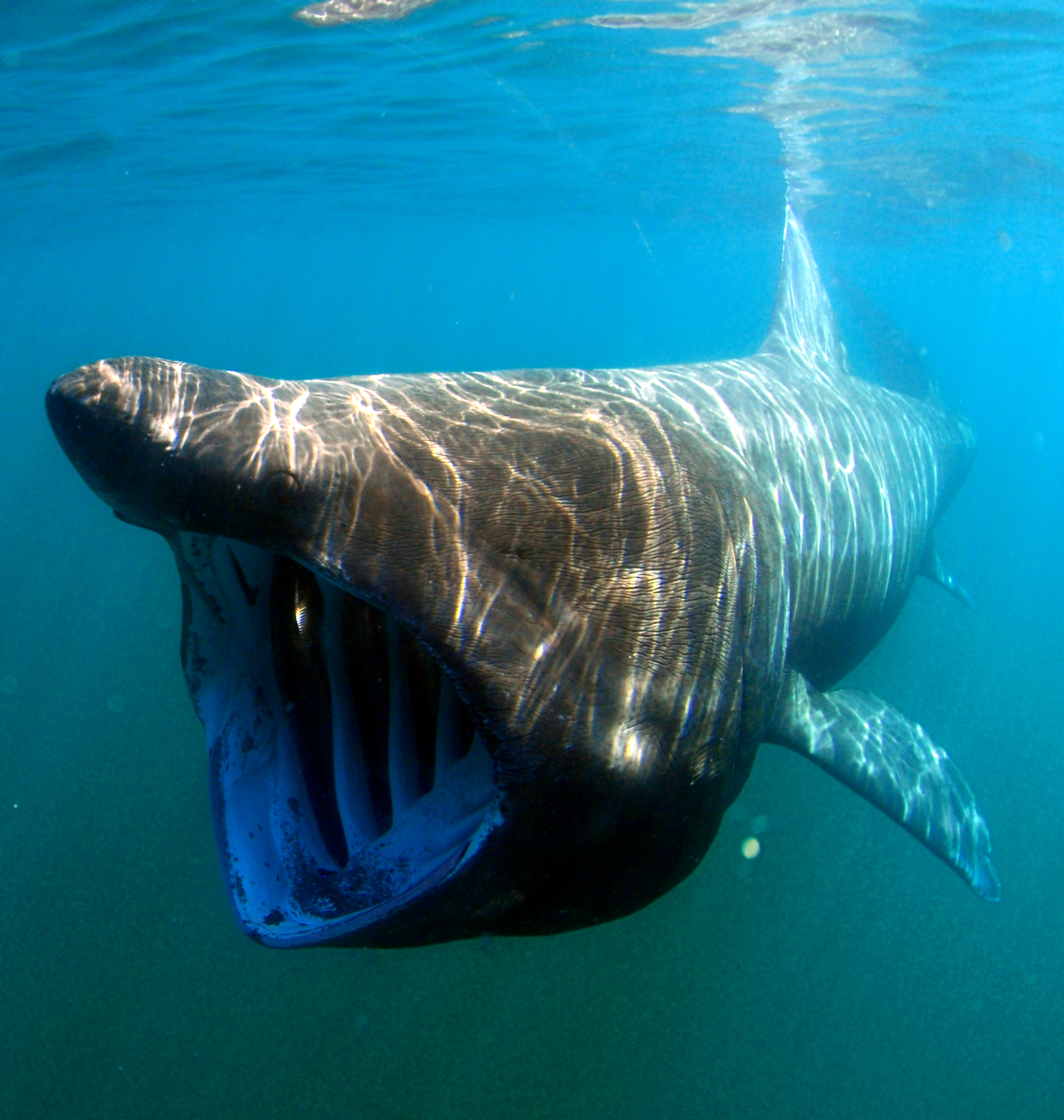
Basking Shark (Cetorhinus maximus)
Sharks & Rays
- Asset
- basking-shark-wikimedia-cetorhinus-maximus-by-greg-skomal
- License
- Public domain
- Source
- commons.wikimedia.org
Image: Greg Skomal / NOAA Fisheries Service / Public domain
Blue Life Commons is not trying to be another image search engine. It turns partner media, biodiversity networks, and public-domain sources into species visuals that are rights-checked, credited, welfare-aware, and ready for public pages.
Current production coverage
44 of 44 current species pages render approved primary images with source, creator, license, alt text, and public-use review gates.
Tracked animals
44
Current species-page corpus in the public commons.
Approved images
44
Primary visuals allowed on public species surfaces.
Source domains
2
Distinct domains behind approved primary image source pages.
Review leakage
0
Candidate and reviewer-only media stay out of public rendering.
The first production pass solved coverage for the current corpus. The platform pass makes the route for more animals explicit: normalize the taxon, collect candidates, approve one primary visual, then publish with provenance.
public domain
15
approved primary images
concept reconstruction
13
approved primary images
cc by
7
approved primary images
cc0
6
approved primary images
cc by sa
3
approved primary images
This is the public ledger layer: each rendered visual is attached to one animal, one source path, one rights status, and one approved public surface. Candidate media stays out of this grid until review promotes it.
Sharks & Rays
Image: Greg Skomal / NOAA Fisheries Service / Public domain
Cetaceans
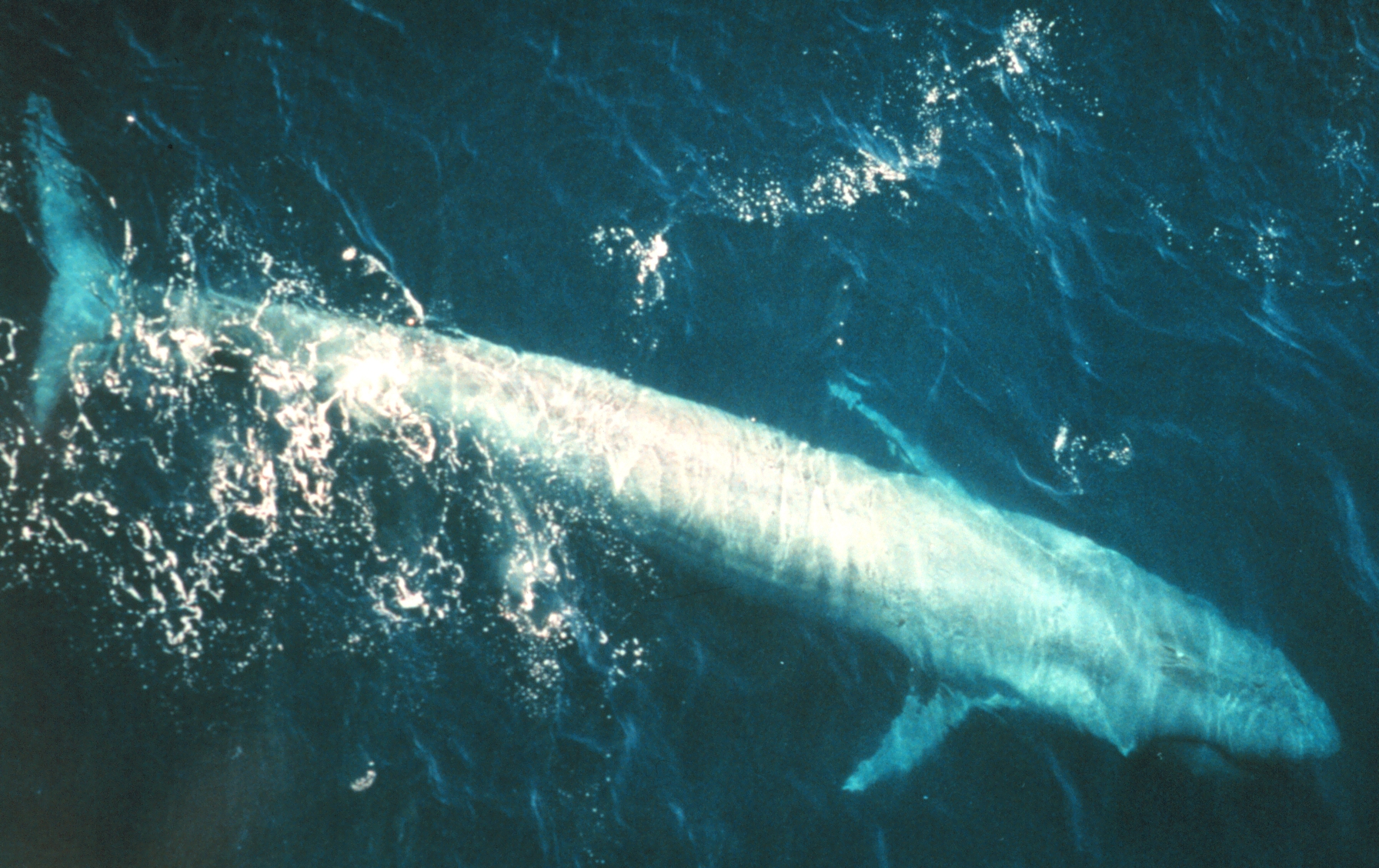
Image: NMFS Northeast Fisheries Science Center (NOAA) / Public domain
Pinnipeds
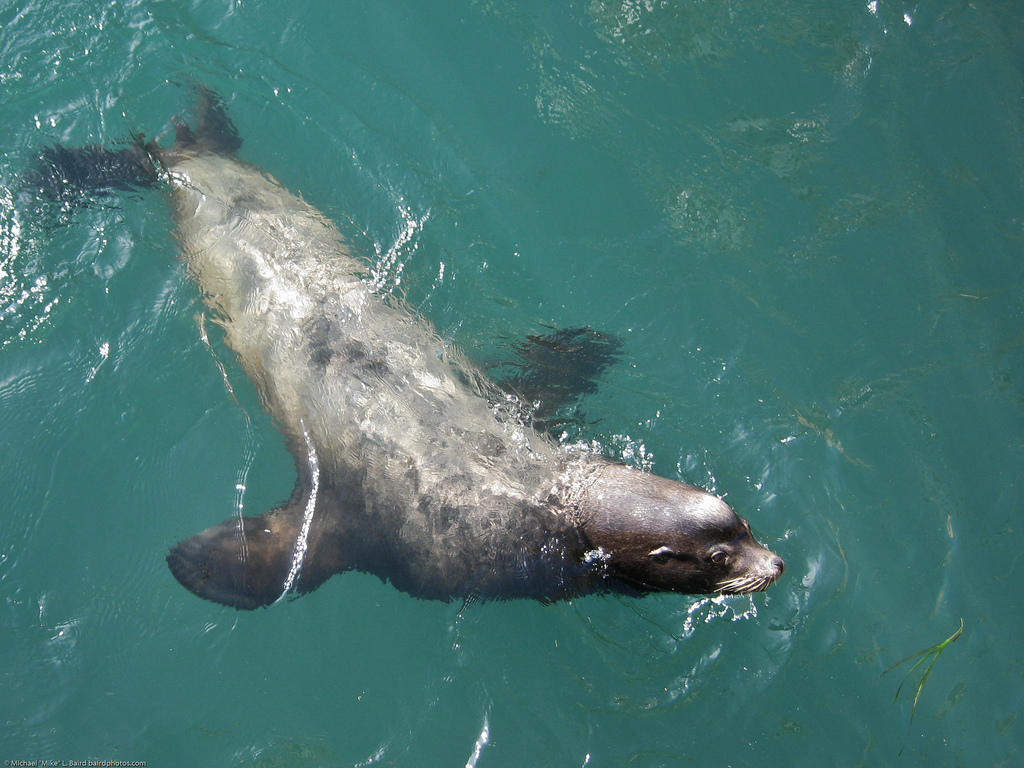
Image: https://www.flickr.com/photos/mikebaird/ Mike Baird / CC BY 2.0
Cetaceans
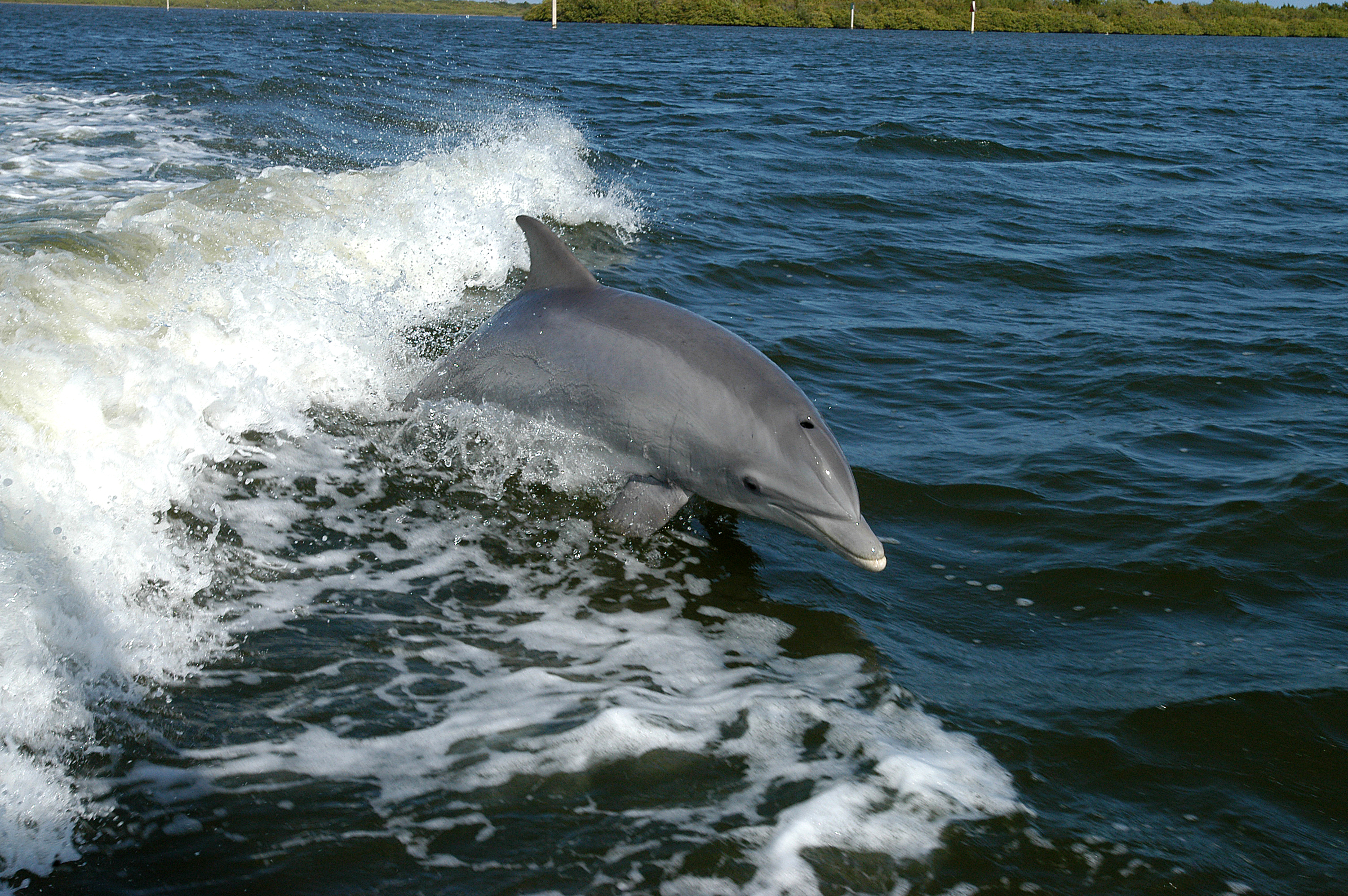
Image: NASA / Public domain
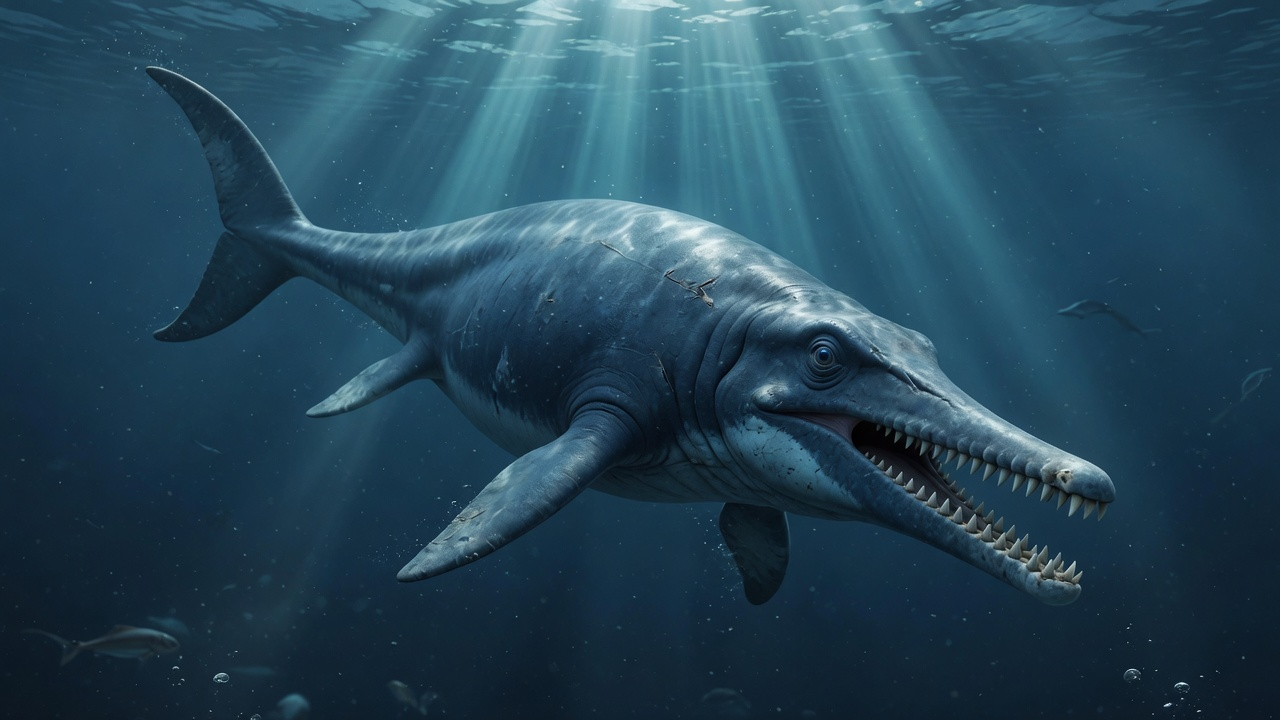
Deep Time Marine Reptiles
Image: Blue Life Commons / Grok Imagine concept reconstruction / CC-BY-4.0
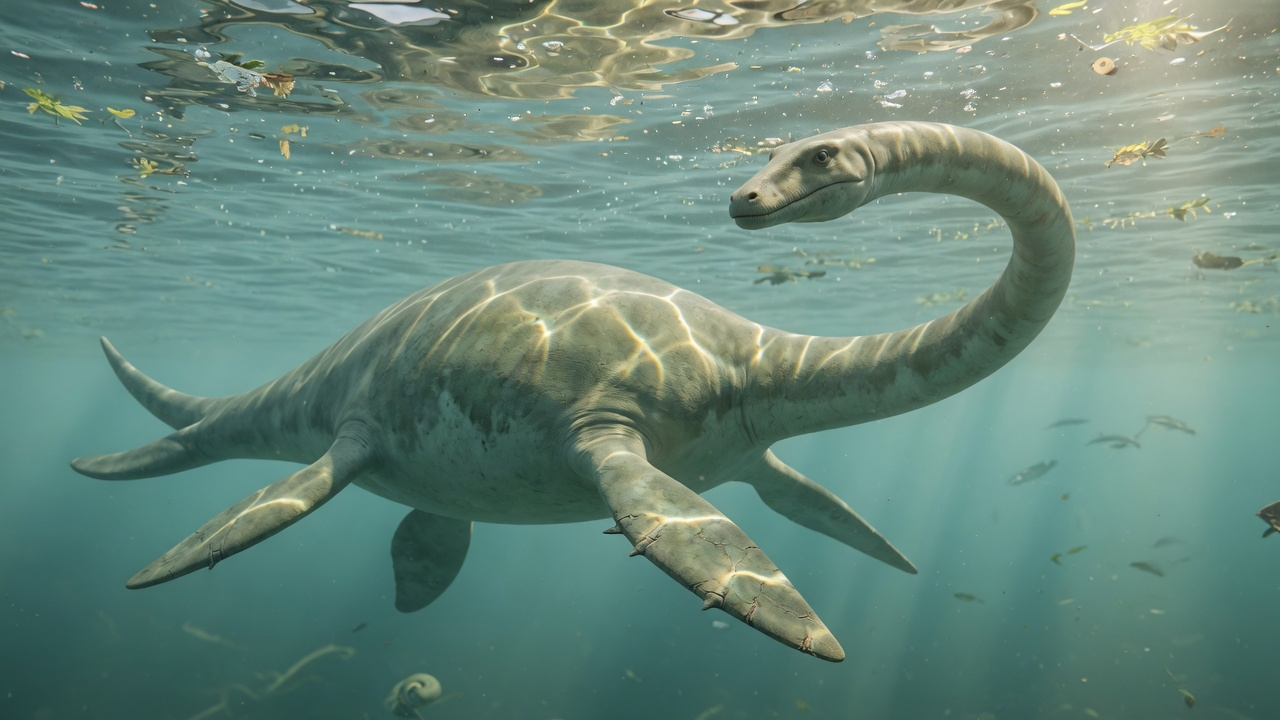
Deep Time Marine Reptiles
Image: Blue Life Commons / Grok Imagine concept reconstruction / CC-BY-4.0
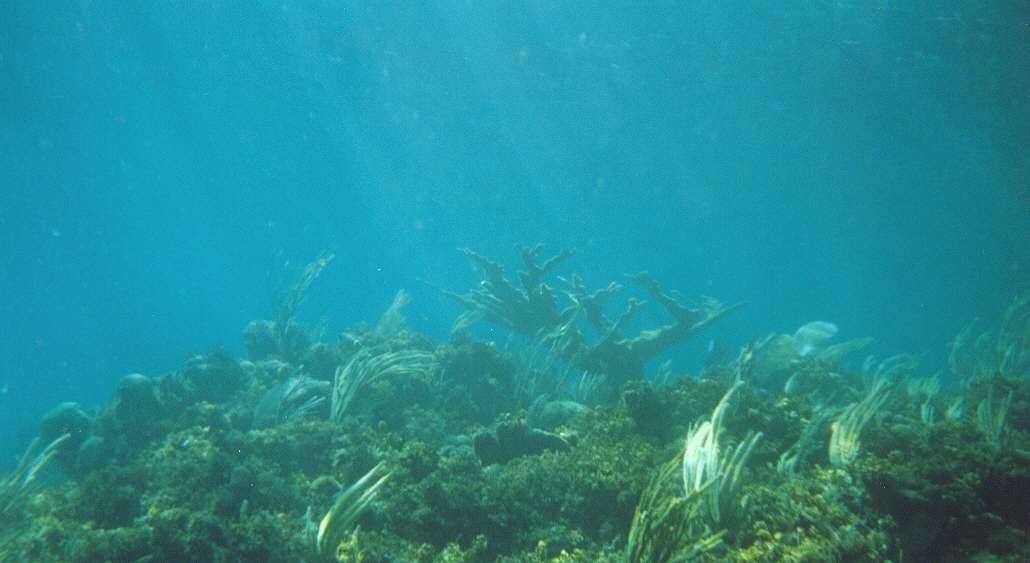
Reefs & Habitat
Image: Jstuby at en.wikipedia / CC0
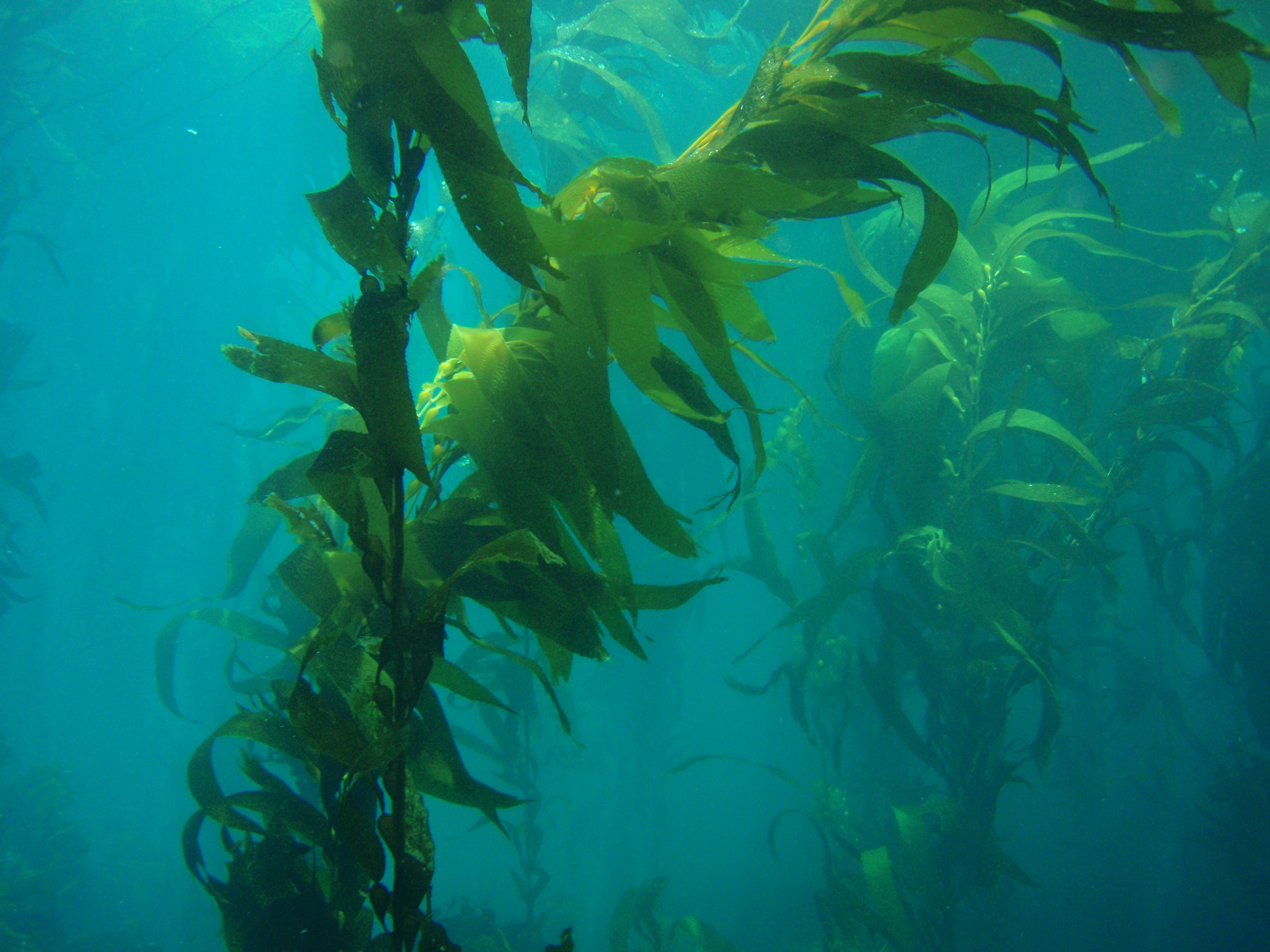
Reefs & Habitat
Image: Claire Fackler, CINMS, NOAA. / Public domain
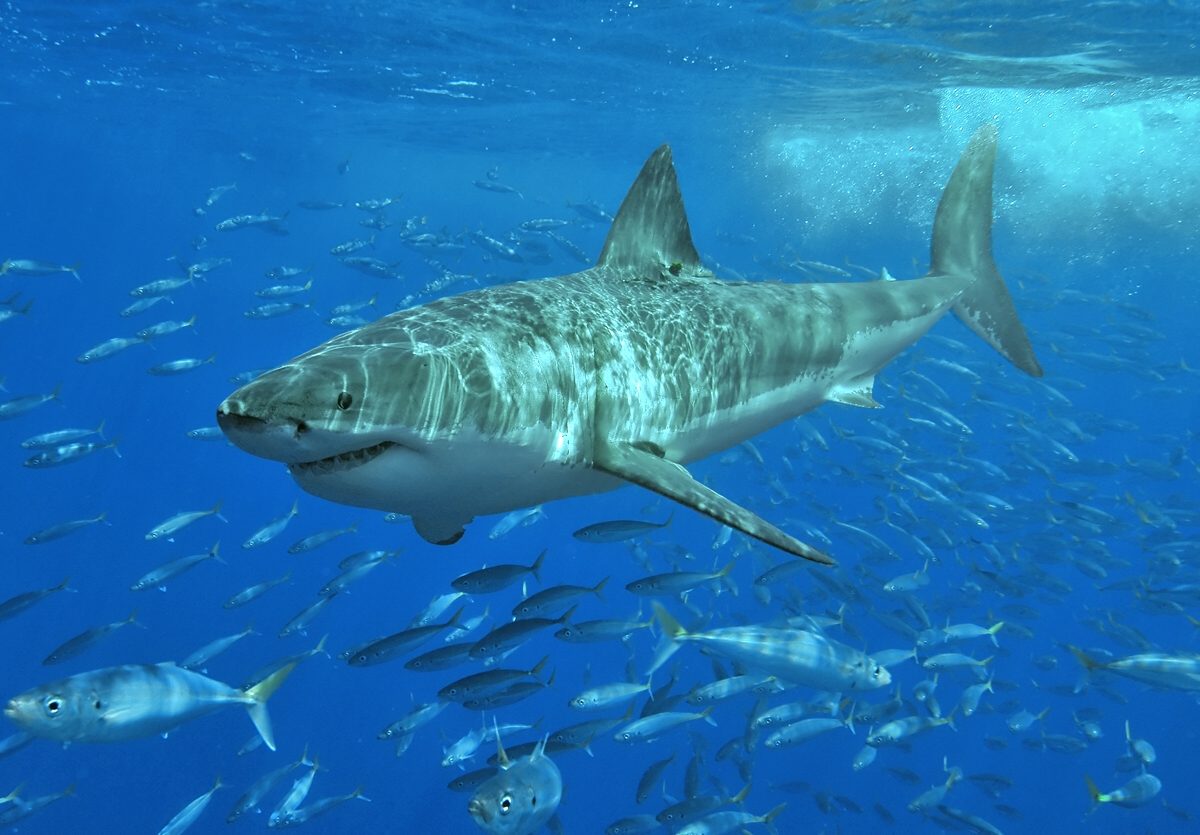
Sharks & Rays
Image: Pterantula (Terry Goss) at en.wikipedia / CC BY 2.5
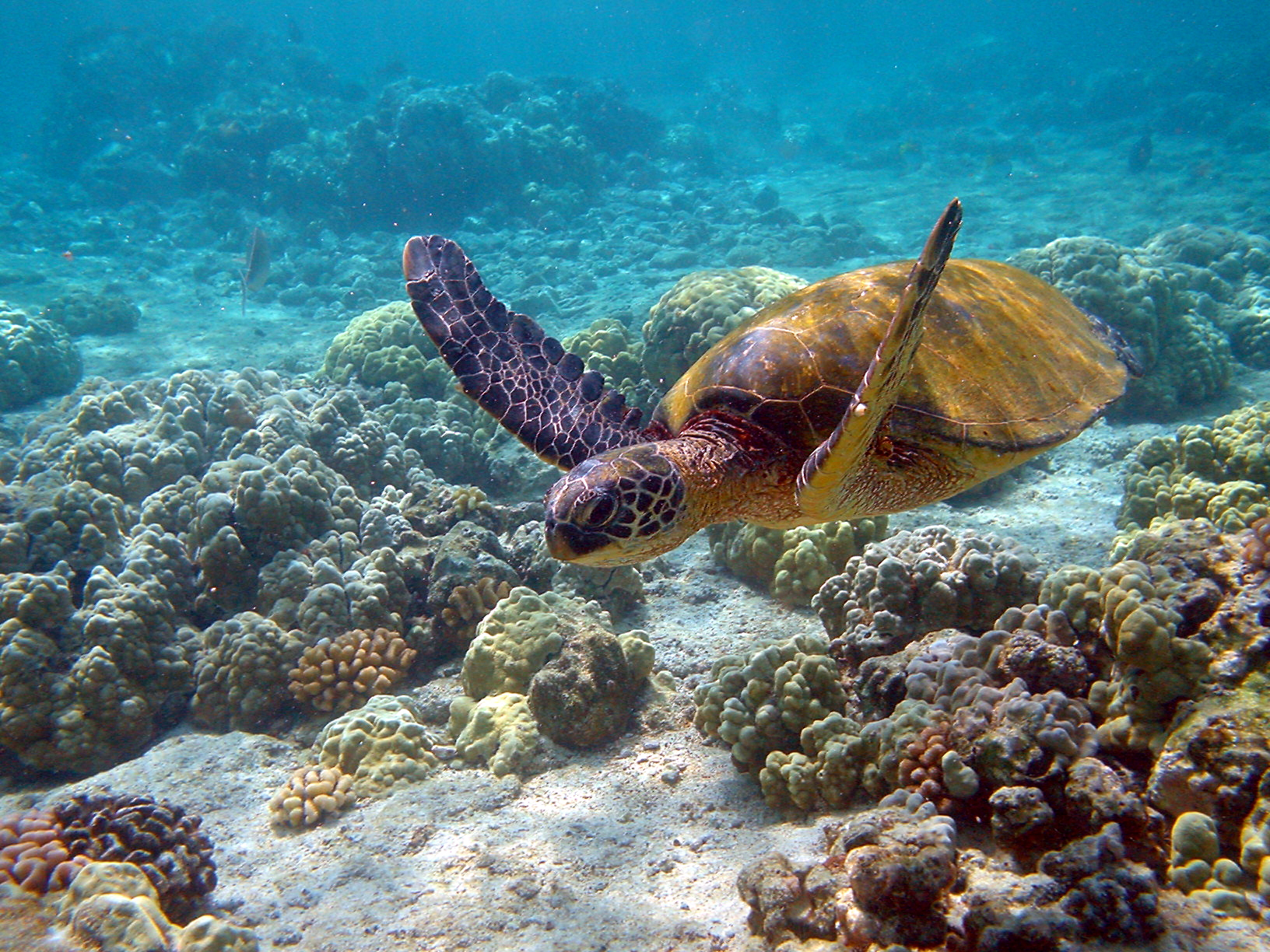
Sea Turtles
Image: Brocken Inaglory / CC BY-SA 3.0
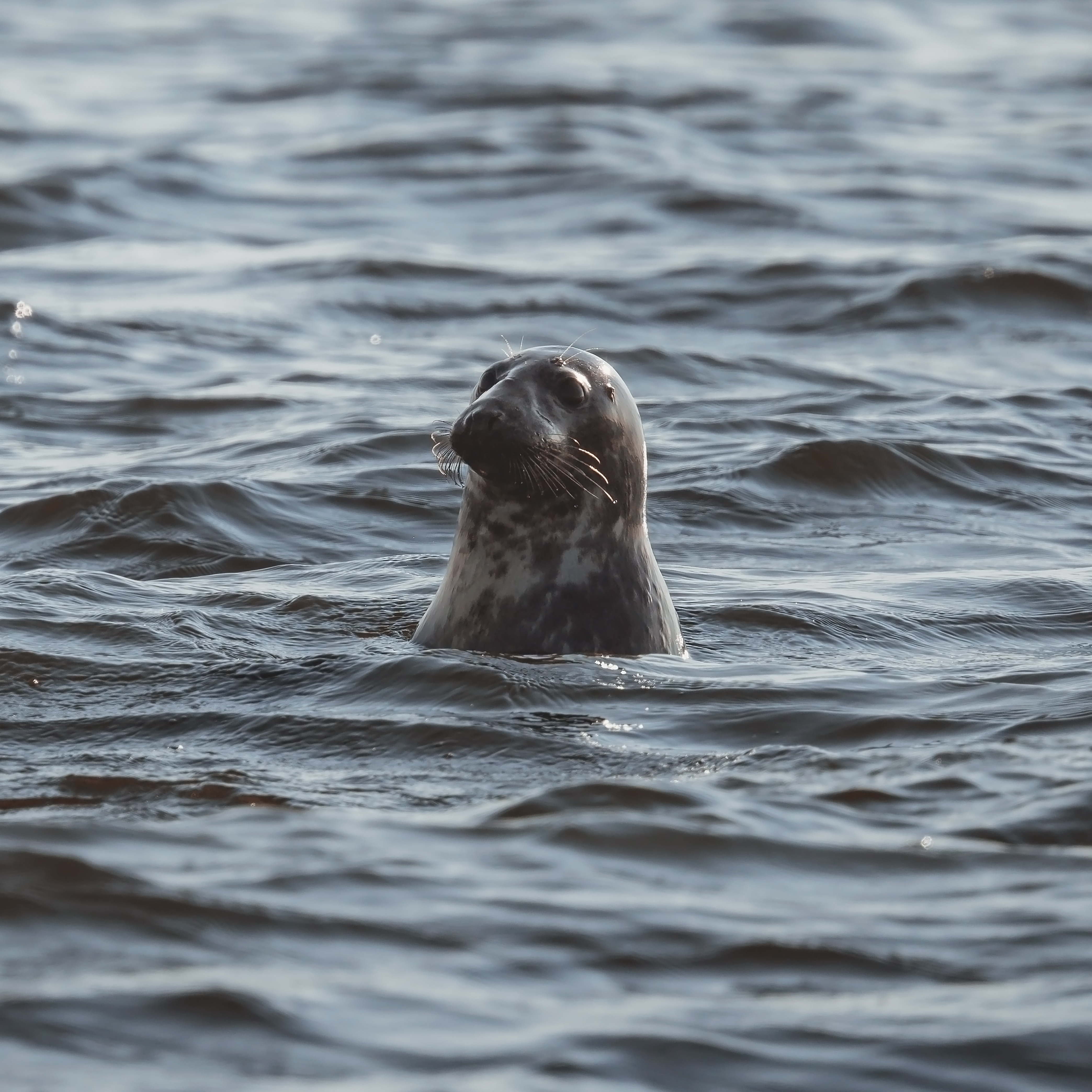
Pinnipeds
Image: Aneta p / CC BY 4.0
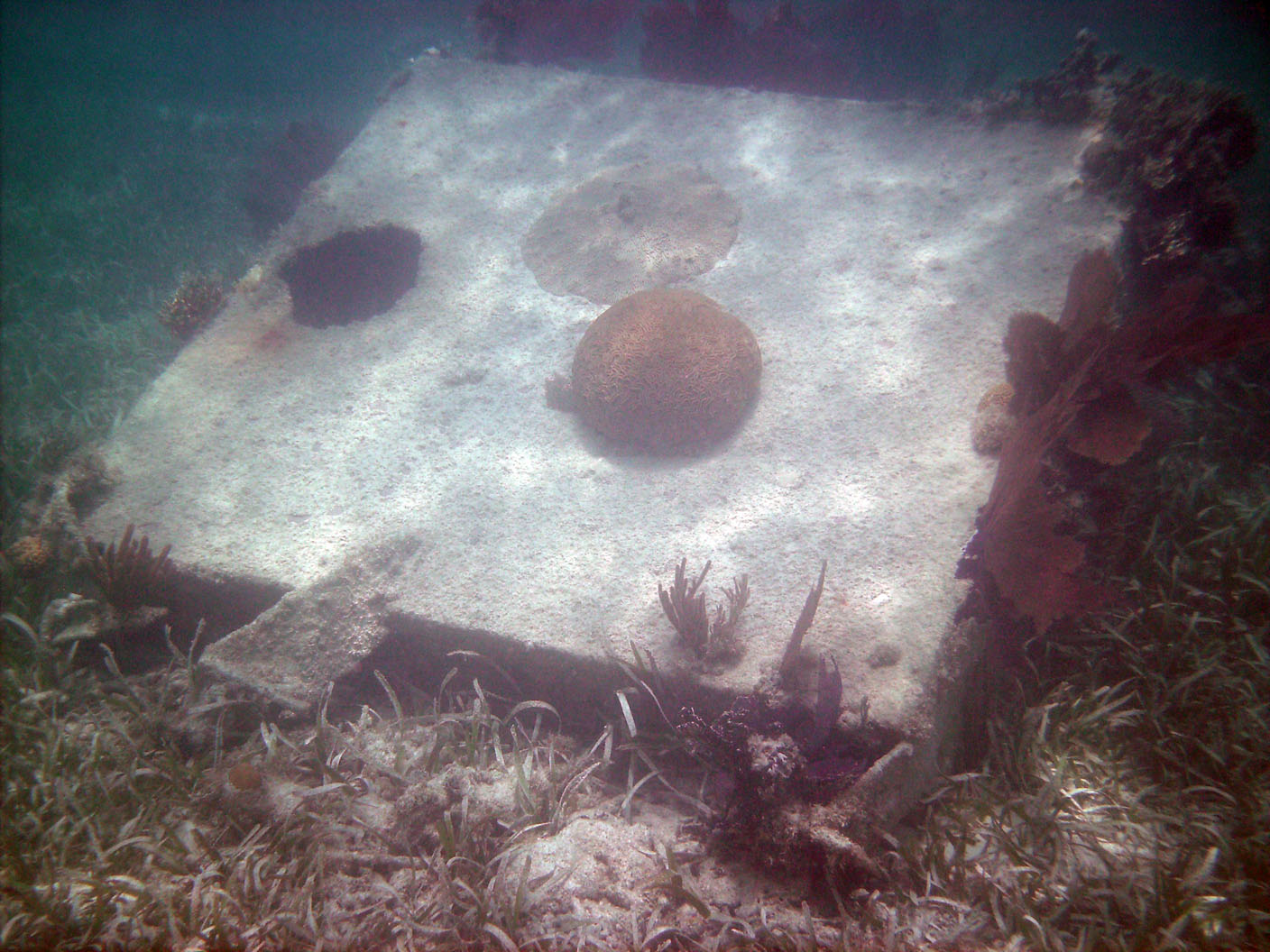
Reefs & Habitat
Image: Jstuby / CC0
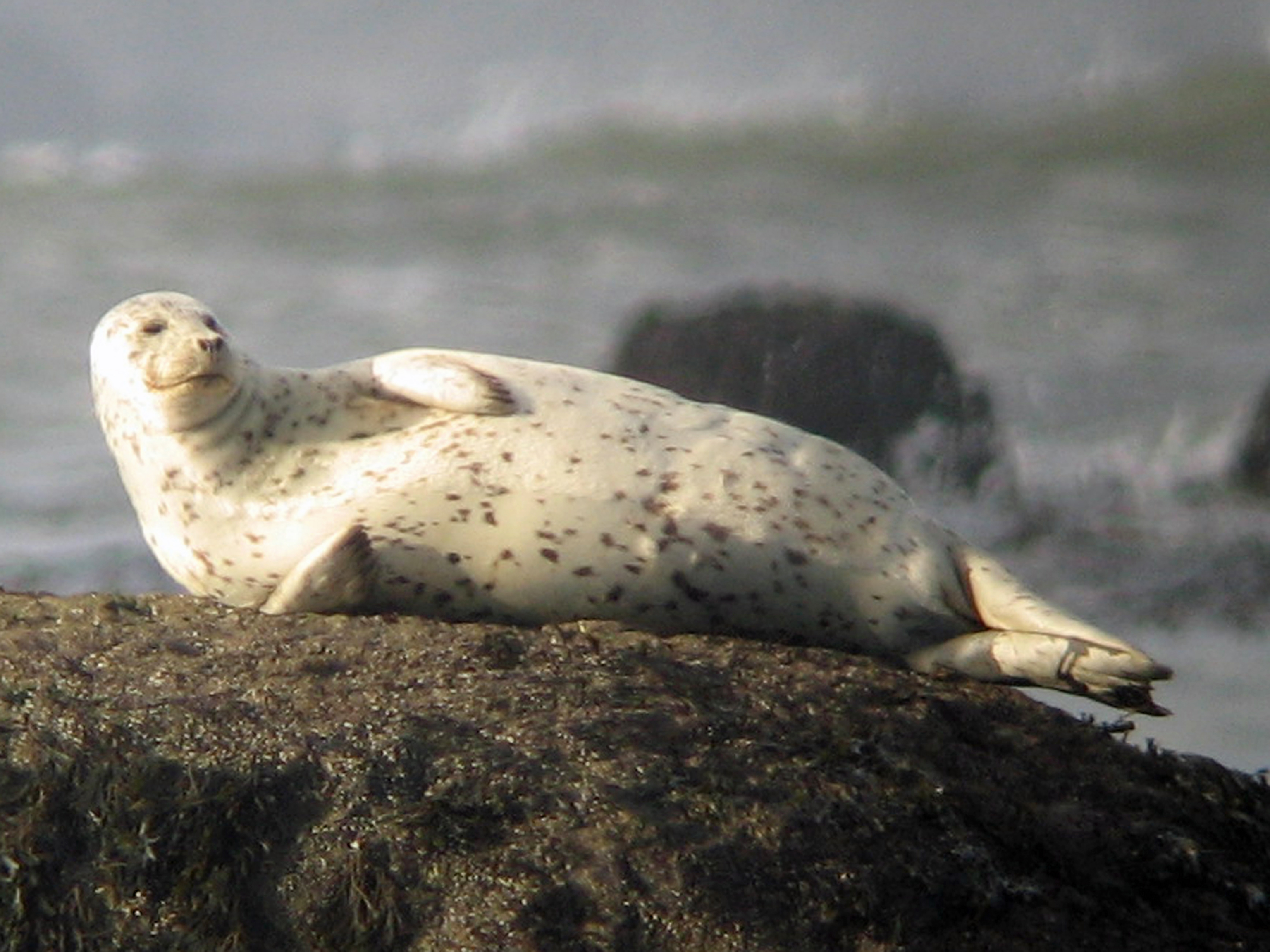
Pinnipeds
Image: Greg Schechter from San Francisco, USA / CC BY 2.0
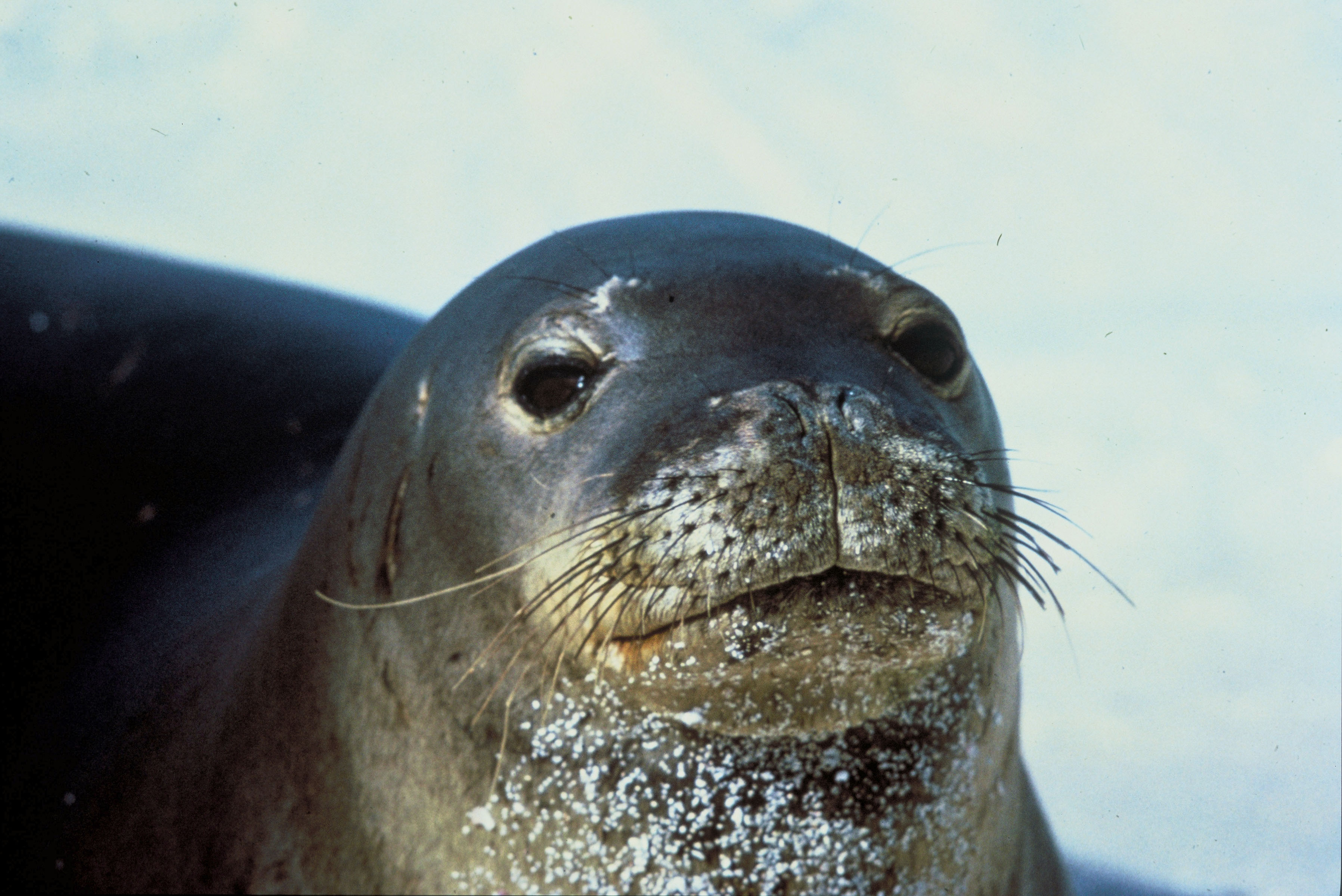
Pinnipeds
Image: U.S. Fish and Wildlife Service / Public domain
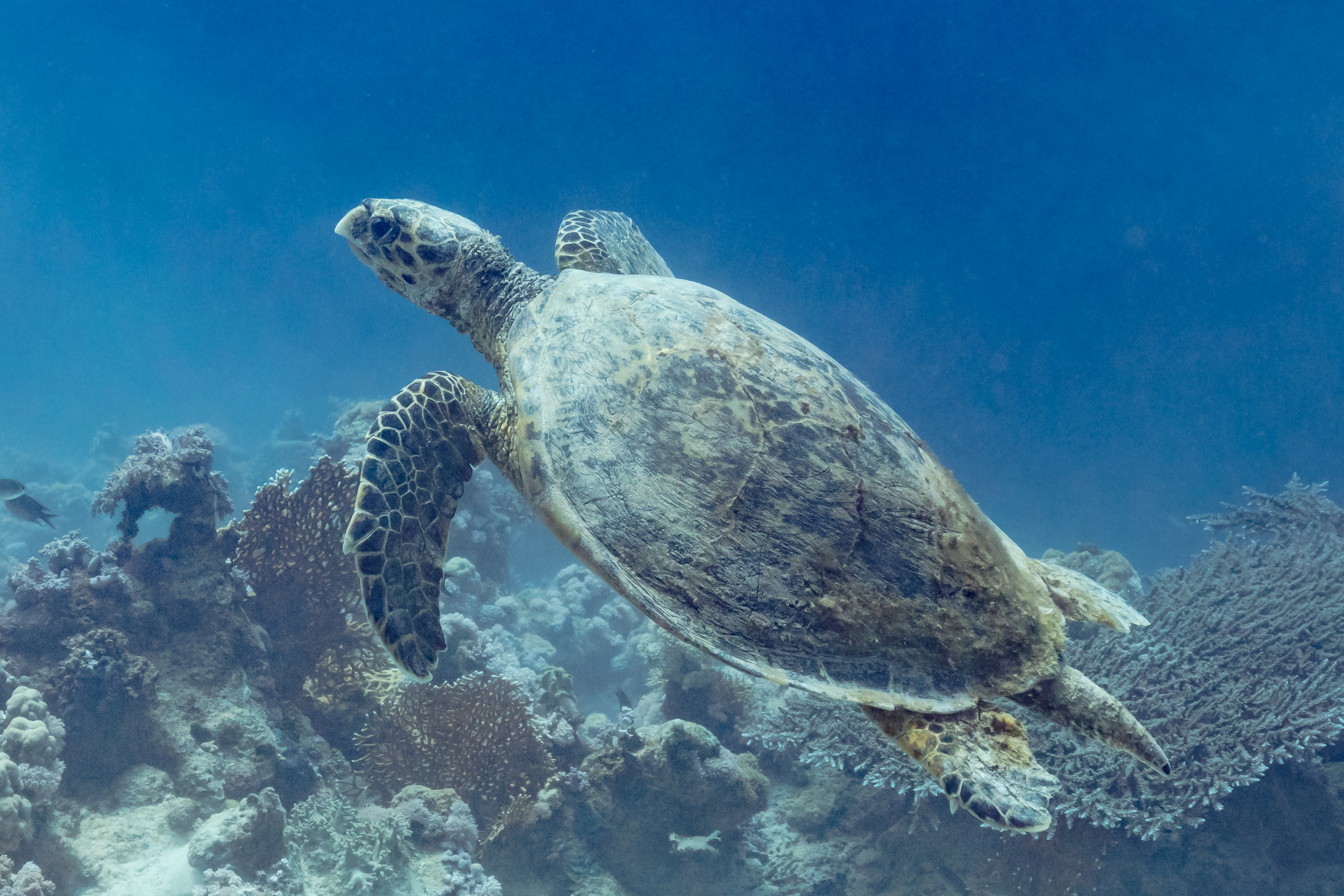
Sea Turtles
Image: Diego Delso / CC BY-SA 4.0
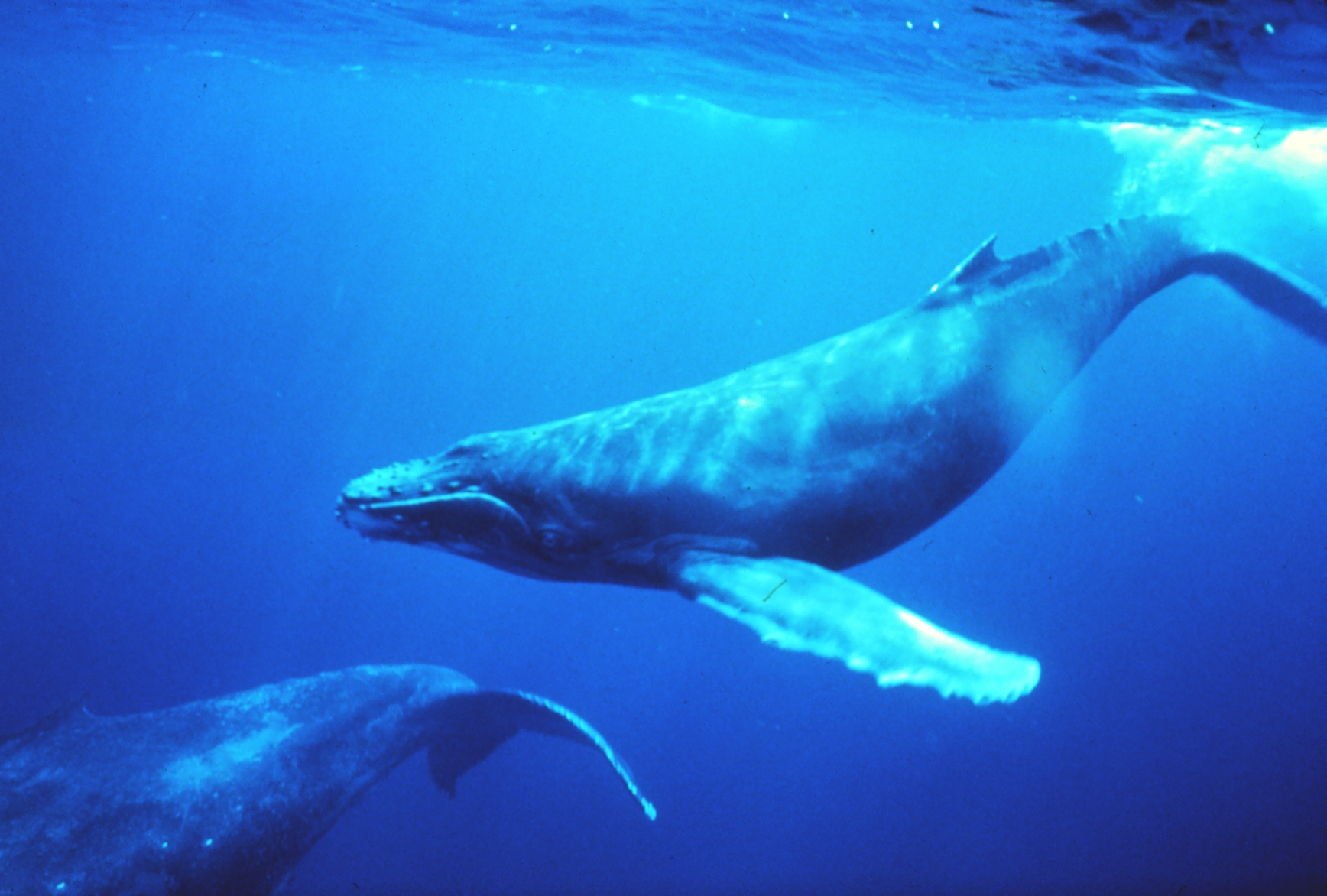
Cetaceans
Image: Dr. Louis M. Herman. / Public domain
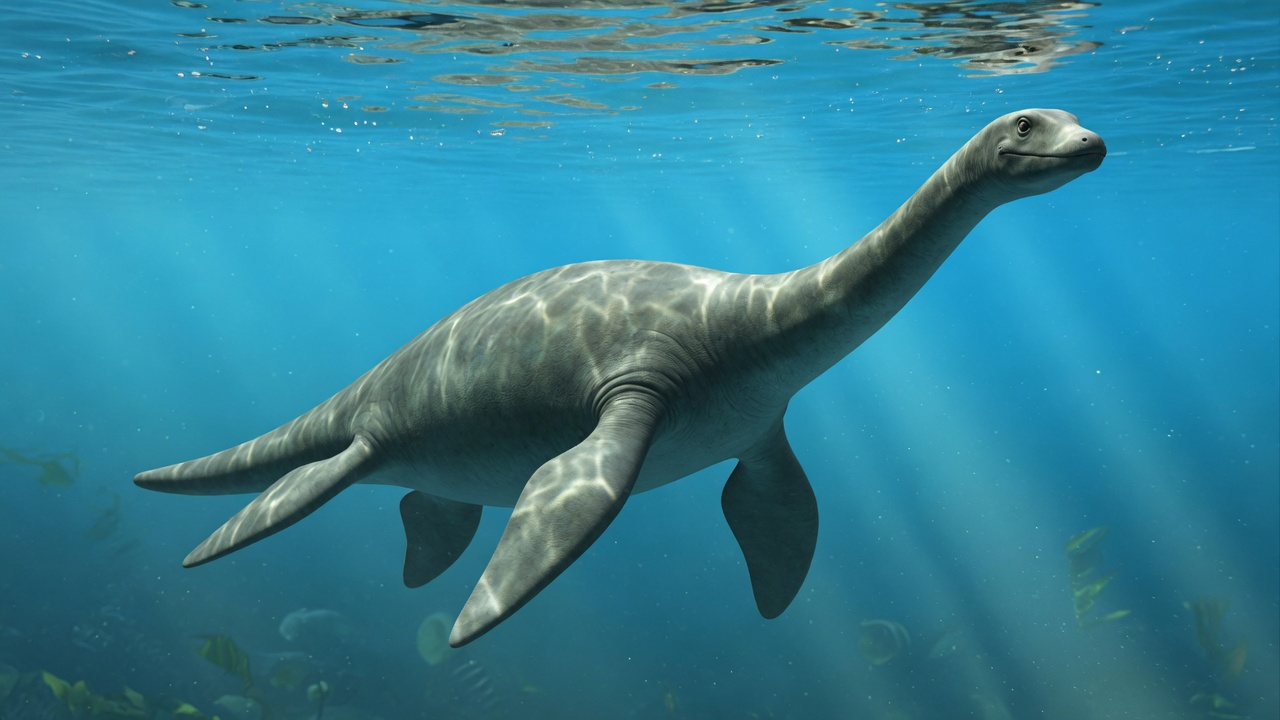
Deep Time Marine Reptiles
Image: Blue Life Commons / Grok Imagine concept reconstruction / CC-BY-4.0
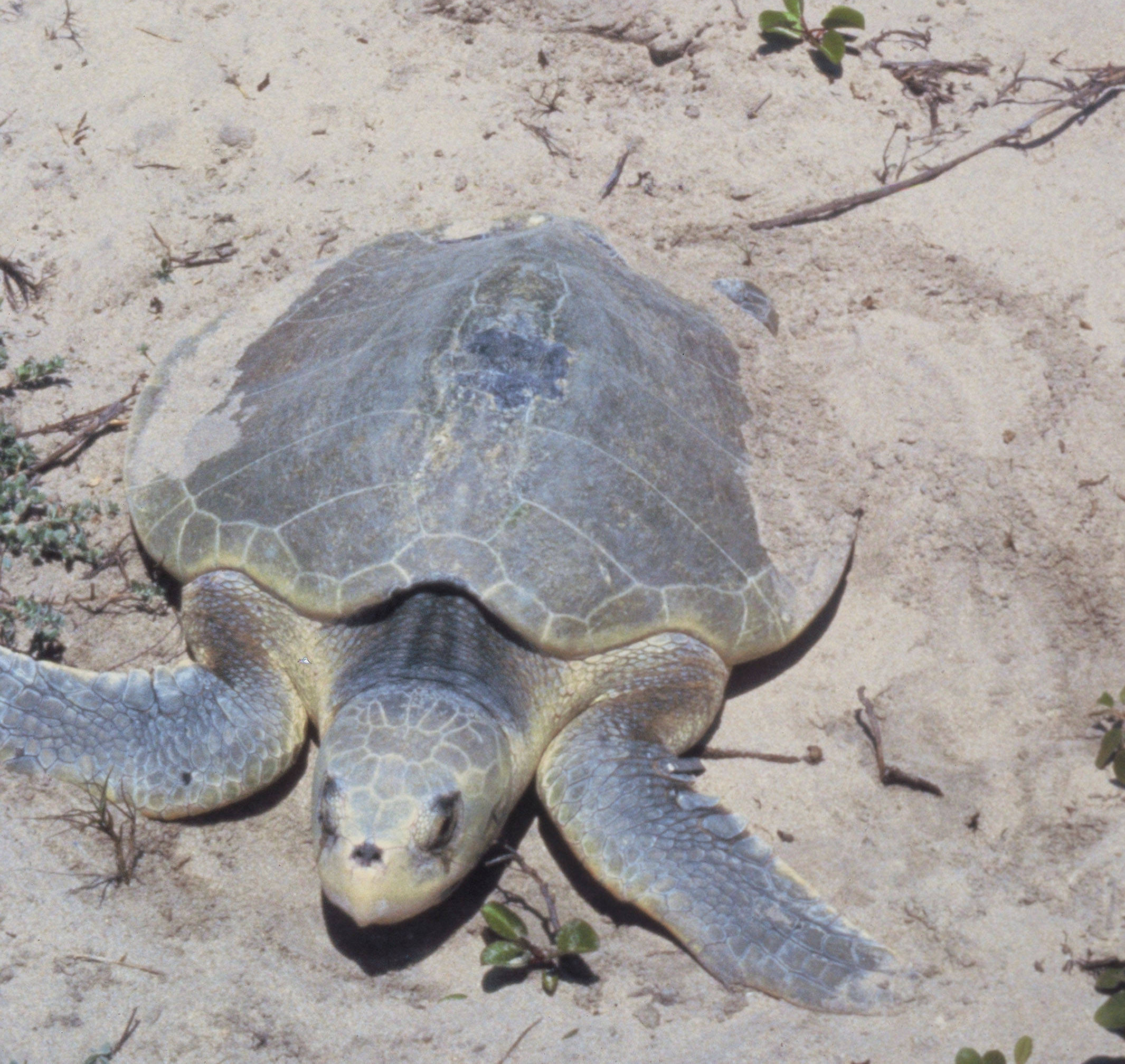
Sea Turtles
Image: uploaded by Johntex / Public domain
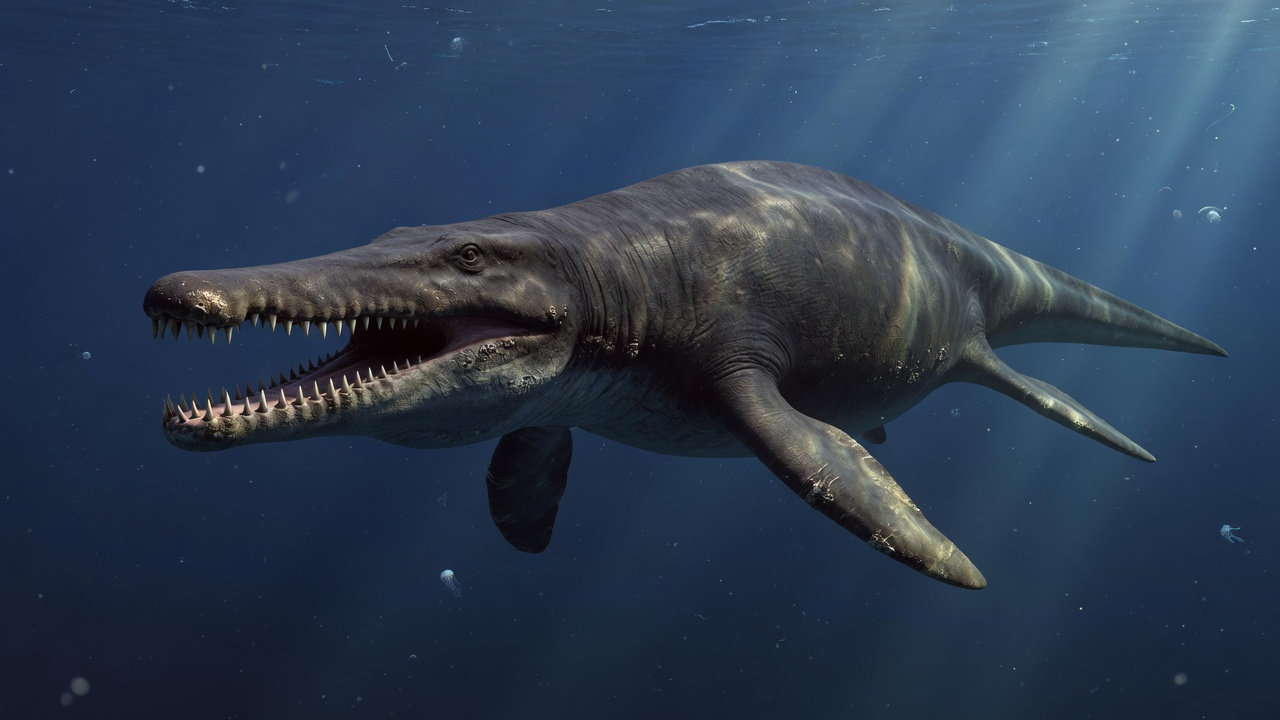
Deep Time Marine Reptiles
Image: Blue Life Commons / Grok Imagine concept reconstruction / CC-BY-4.0
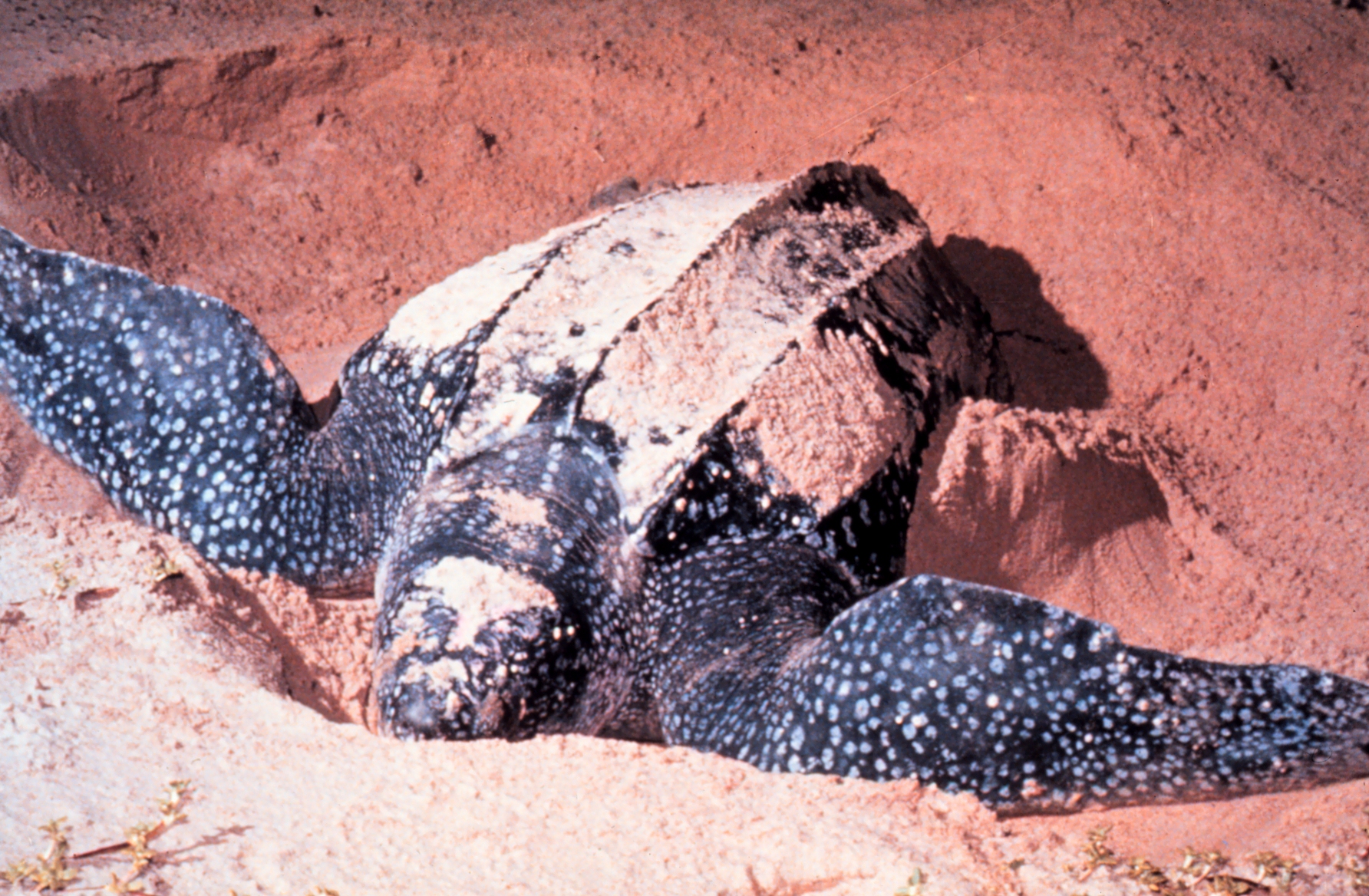
Sea Turtles
Image: National Oceanic and Atmospheric Administration, NOAA / Public domain
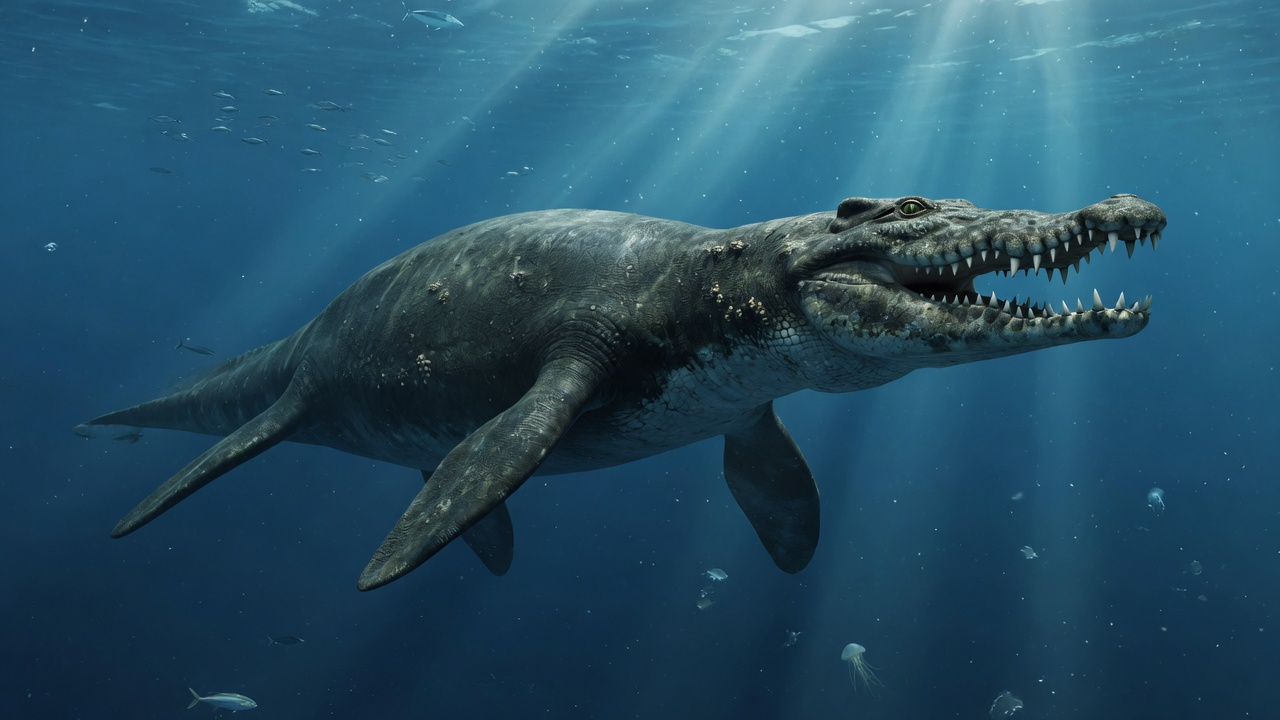
Deep Time Marine Reptiles
Image: Blue Life Commons / Grok Imagine concept reconstruction / CC-BY-4.0
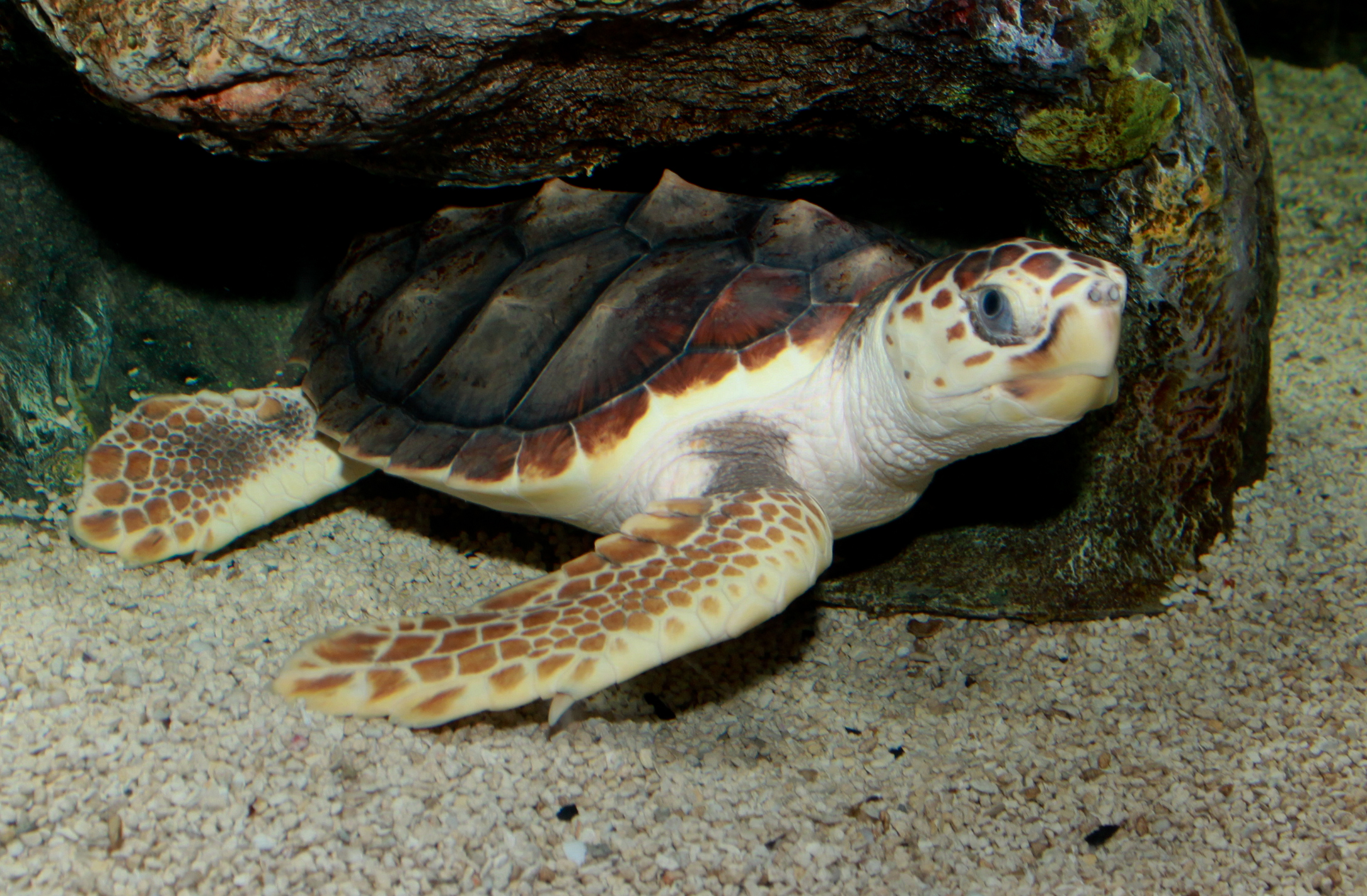
Sea Turtles
Image: Brian Gratwicke / CC BY 2.0
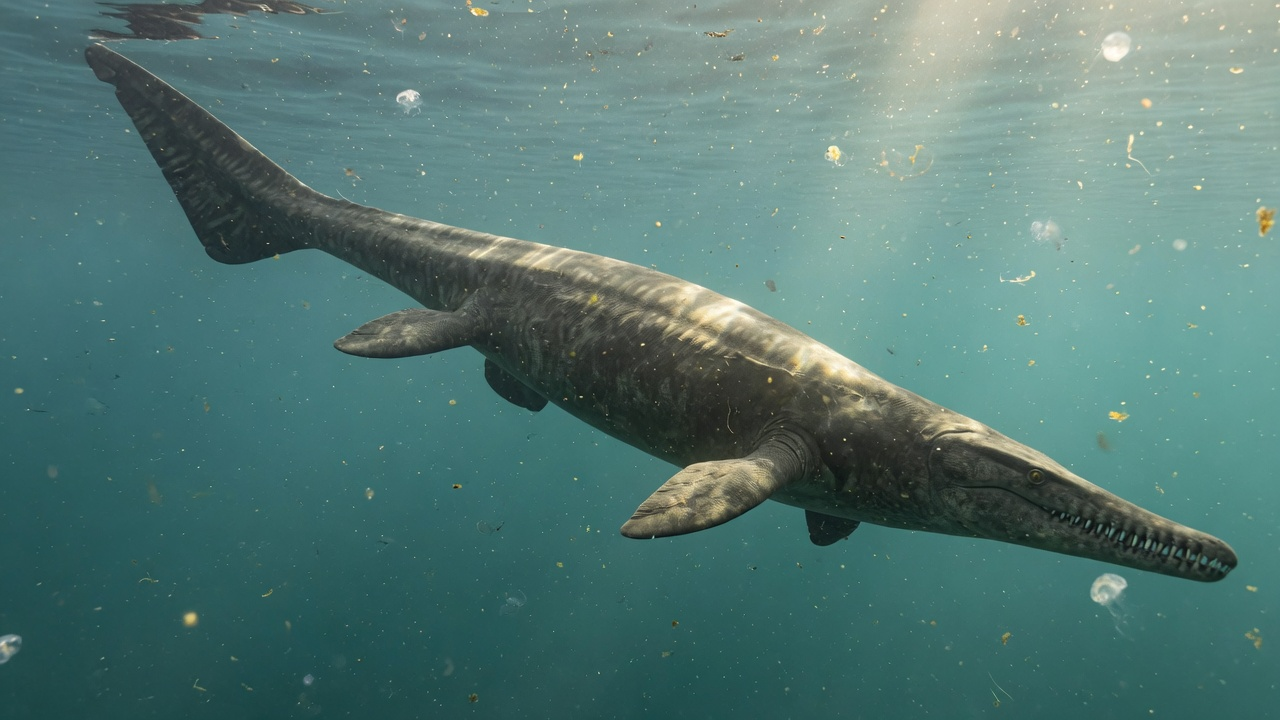
Deep Time Marine Reptiles
Image: Blue Life Commons / Grok Imagine concept reconstruction / CC-BY-4.0
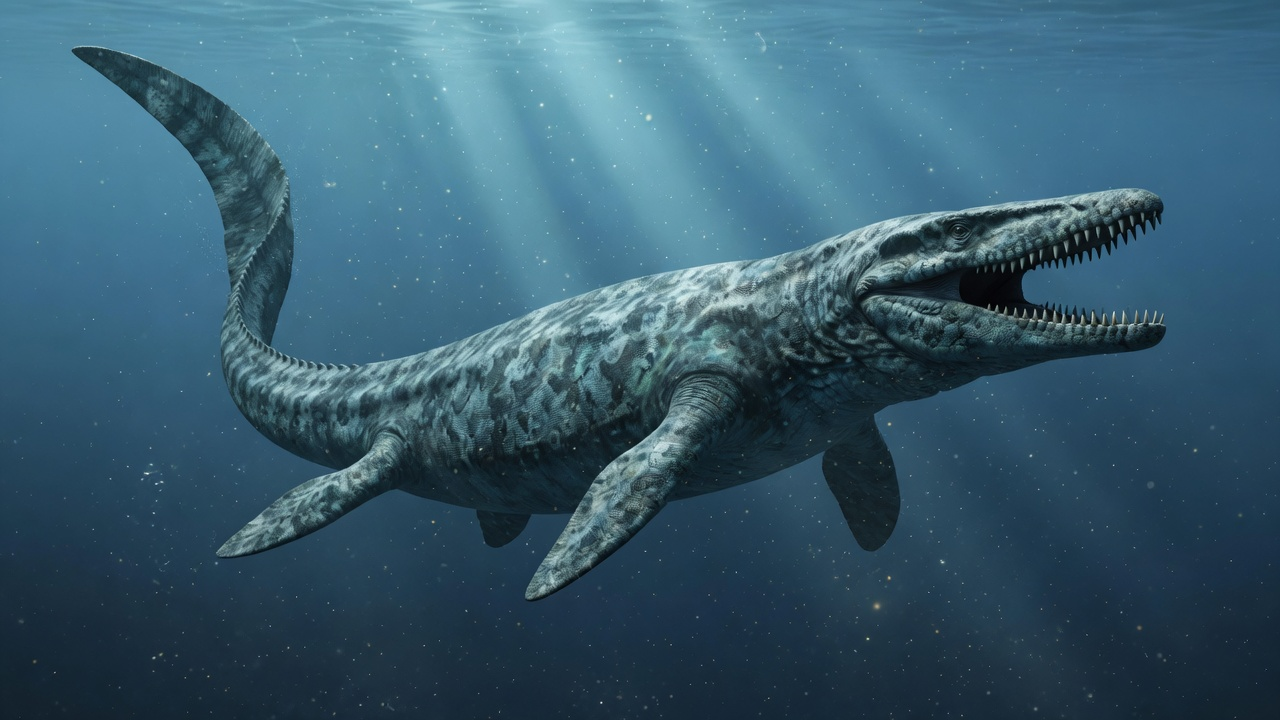
Deep Time Marine Reptiles
Image: Blue Life Commons / Grok Imagine concept reconstruction / CC-BY-4.0
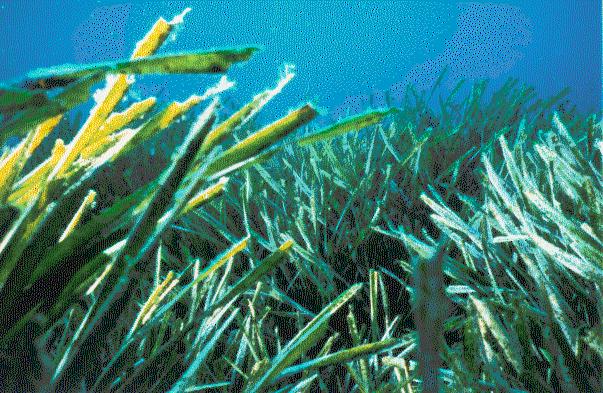
Reefs & Habitat
Image: National Oceanic and Atmospheric Administration / Public domain
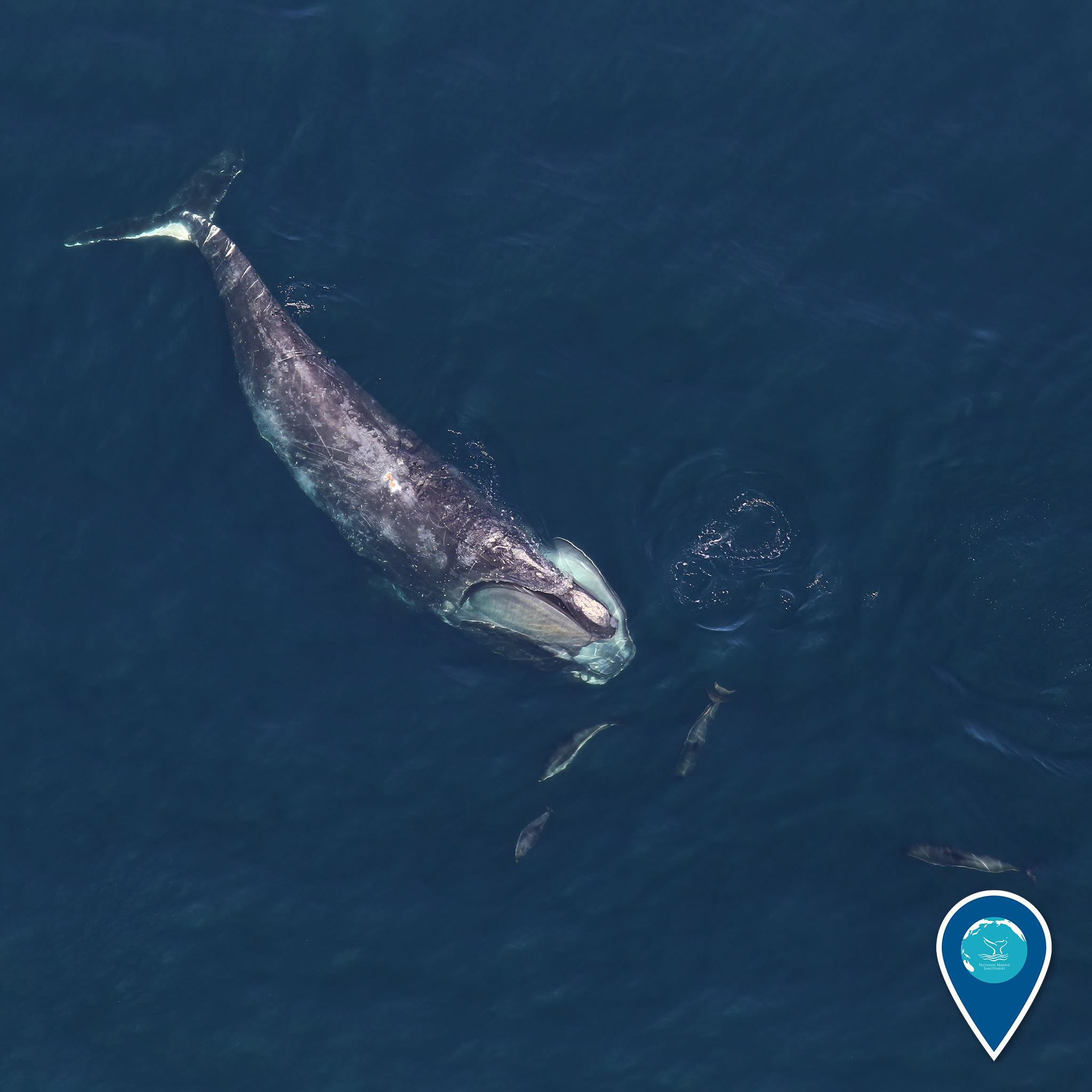
Cetaceans
Image: NOAA Gray's Reef NMS / Public domain
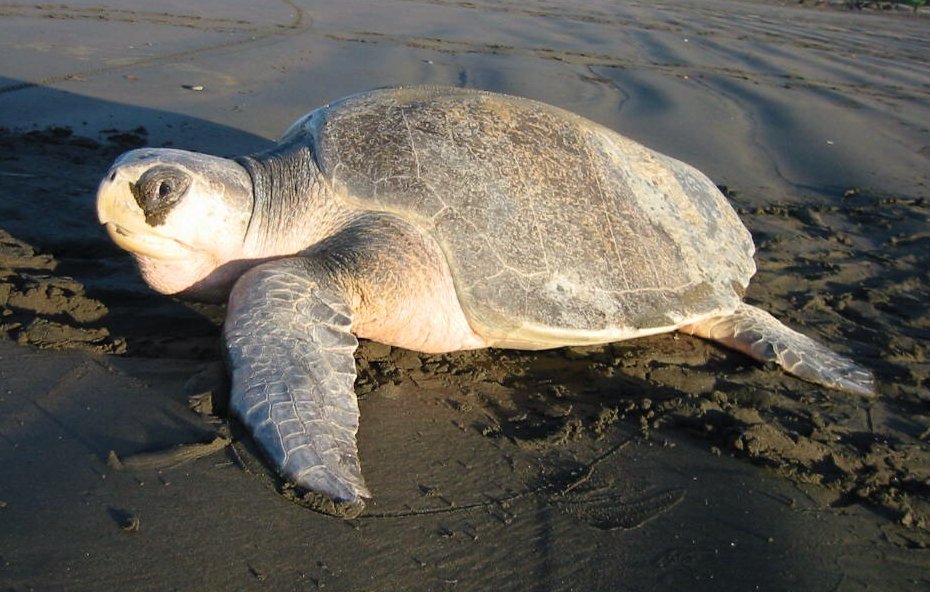
Sea Turtles
Image: Remove "cropped" from file name and see original file / CC BY-SA 4.0
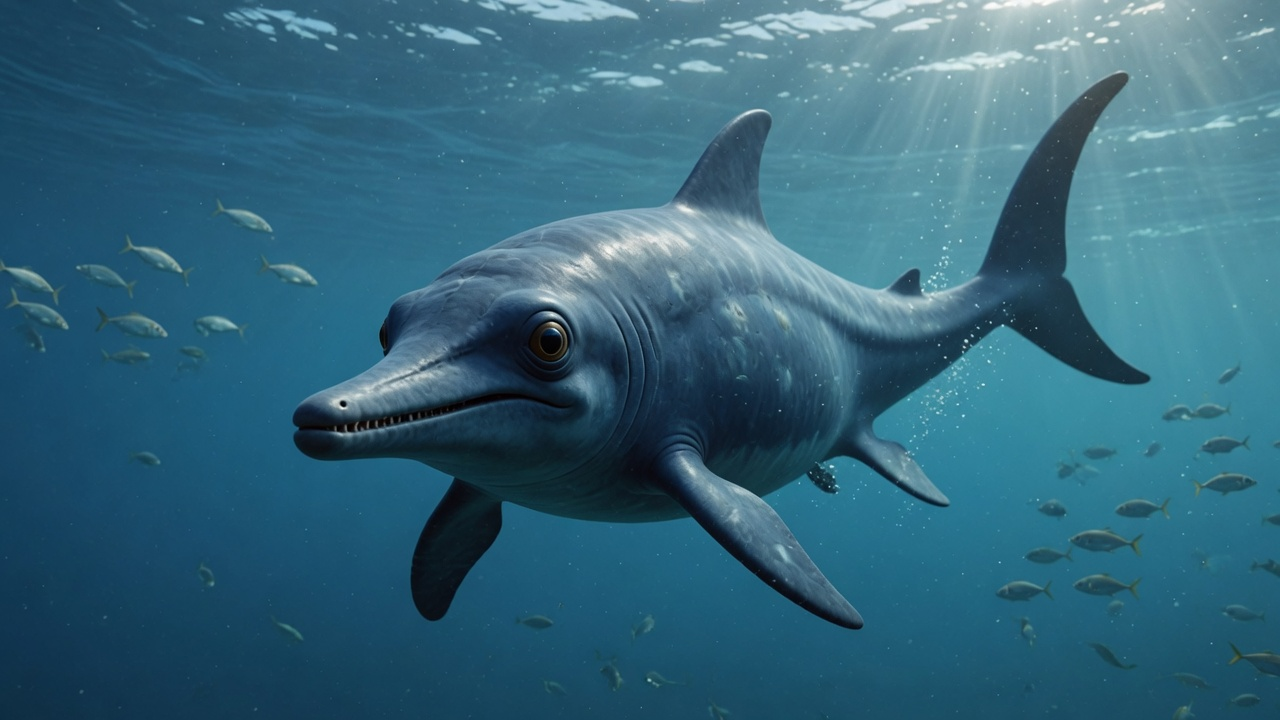
Deep Time Marine Reptiles
Image: Blue Life Commons / Grok Imagine concept reconstruction / CC-BY-4.0
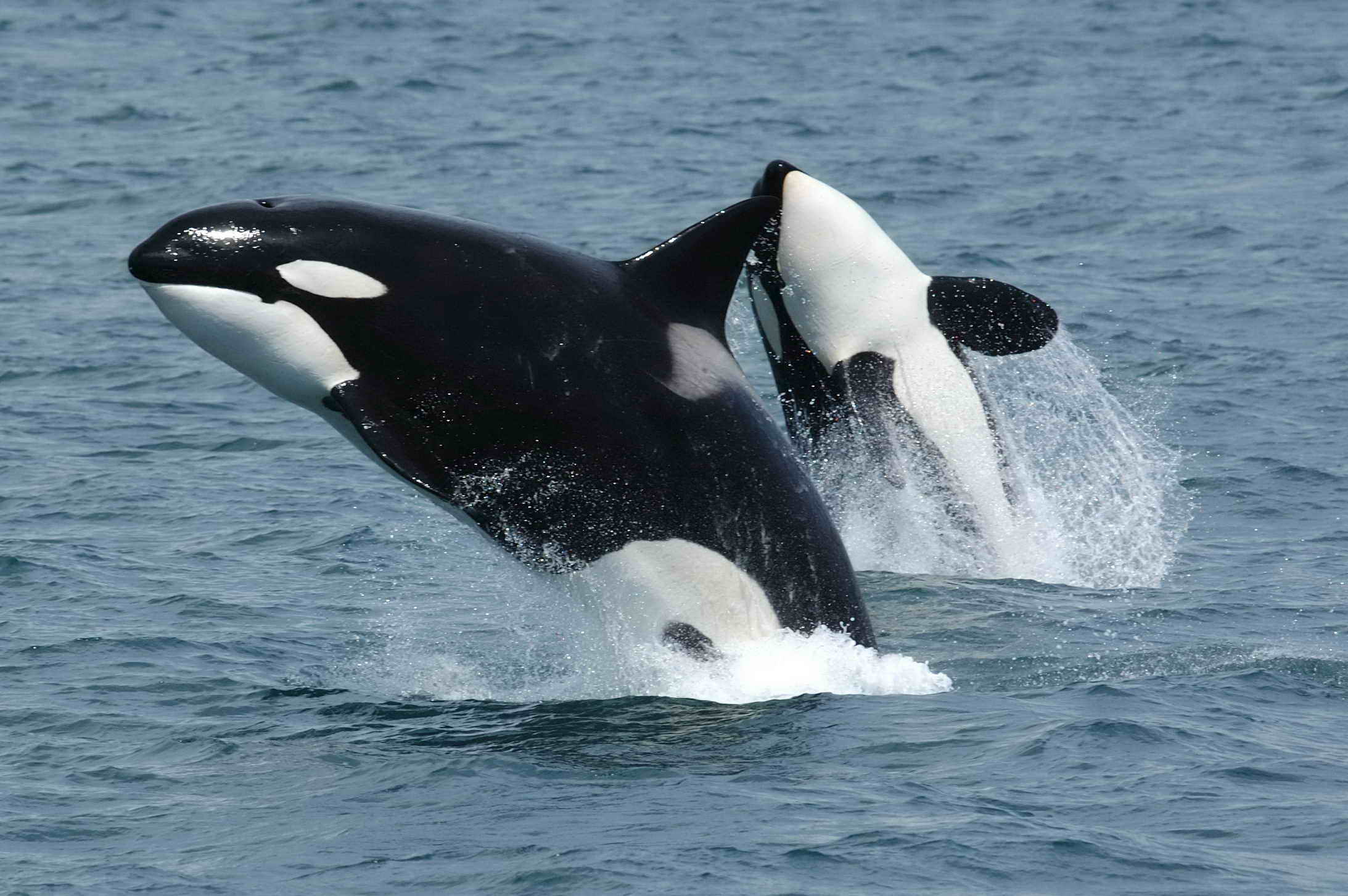
Cetaceans
Image: Robert Pittman / Public domain
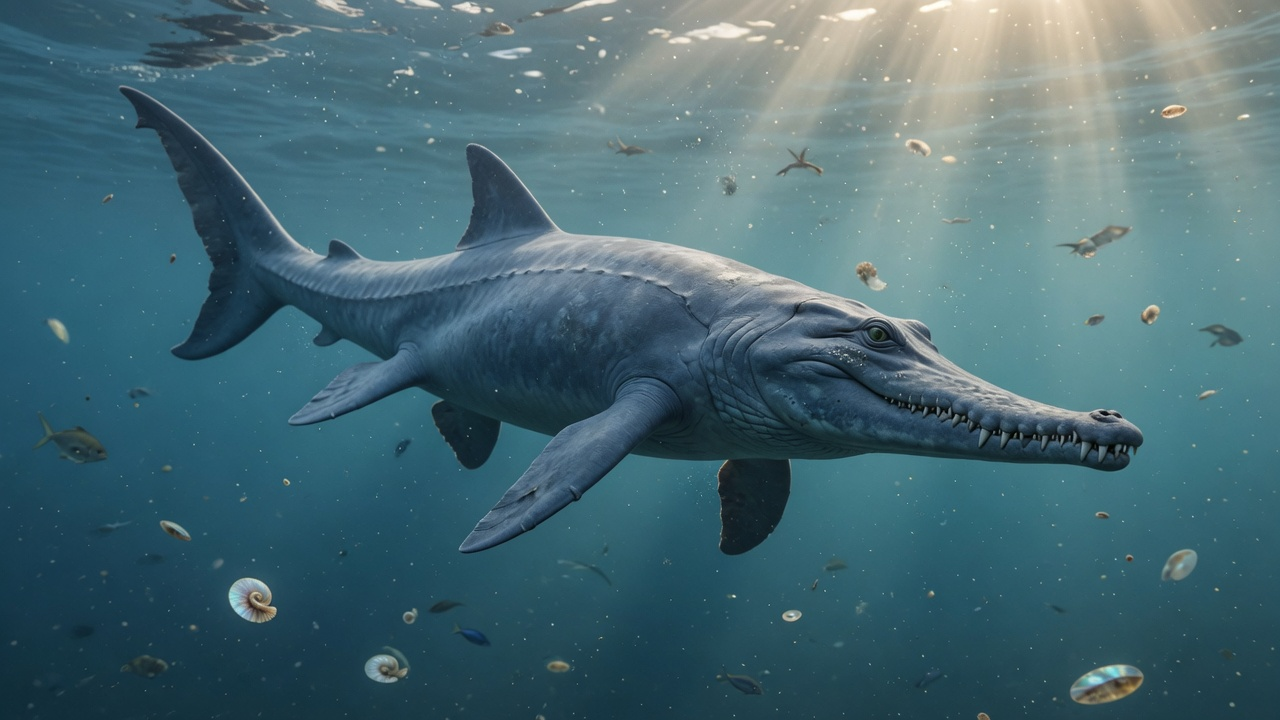
Deep Time Marine Reptiles
Image: Blue Life Commons / Grok Imagine concept reconstruction / CC-BY-4.0
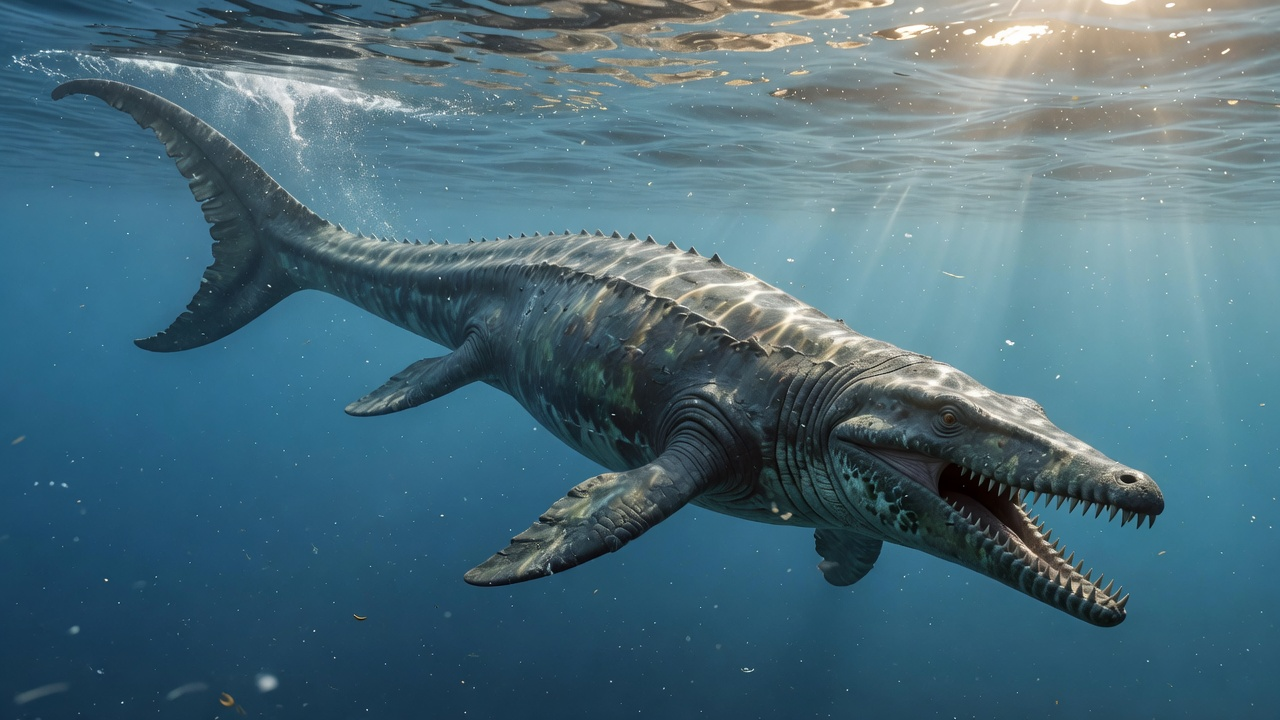
Deep Time Marine Reptiles
Image: Blue Life Commons / Grok Imagine concept reconstruction / CC-BY-4.0
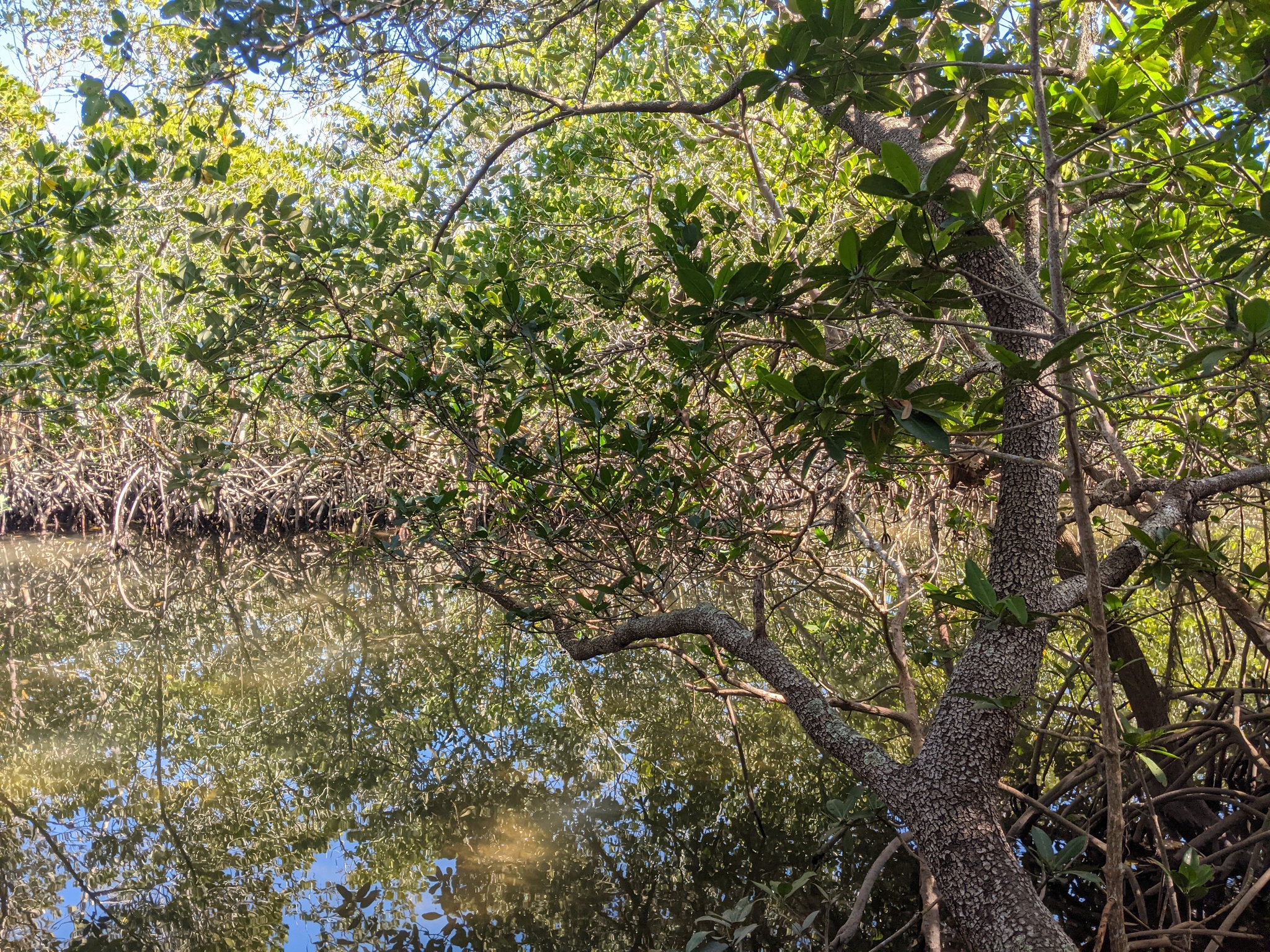
Reefs & Habitat
Image: no rights reserved / CC0
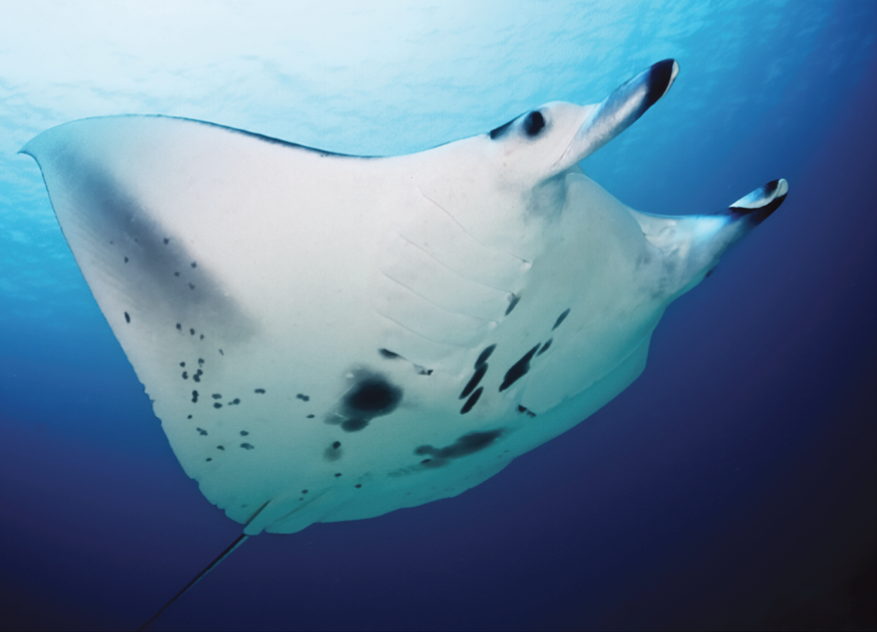
Sharks & Rays
Image: Jaine FRA, Couturier LIE, Weeks SJ, Townsend KA, Bennett MB, et al. (2012) / CC BY 2.5
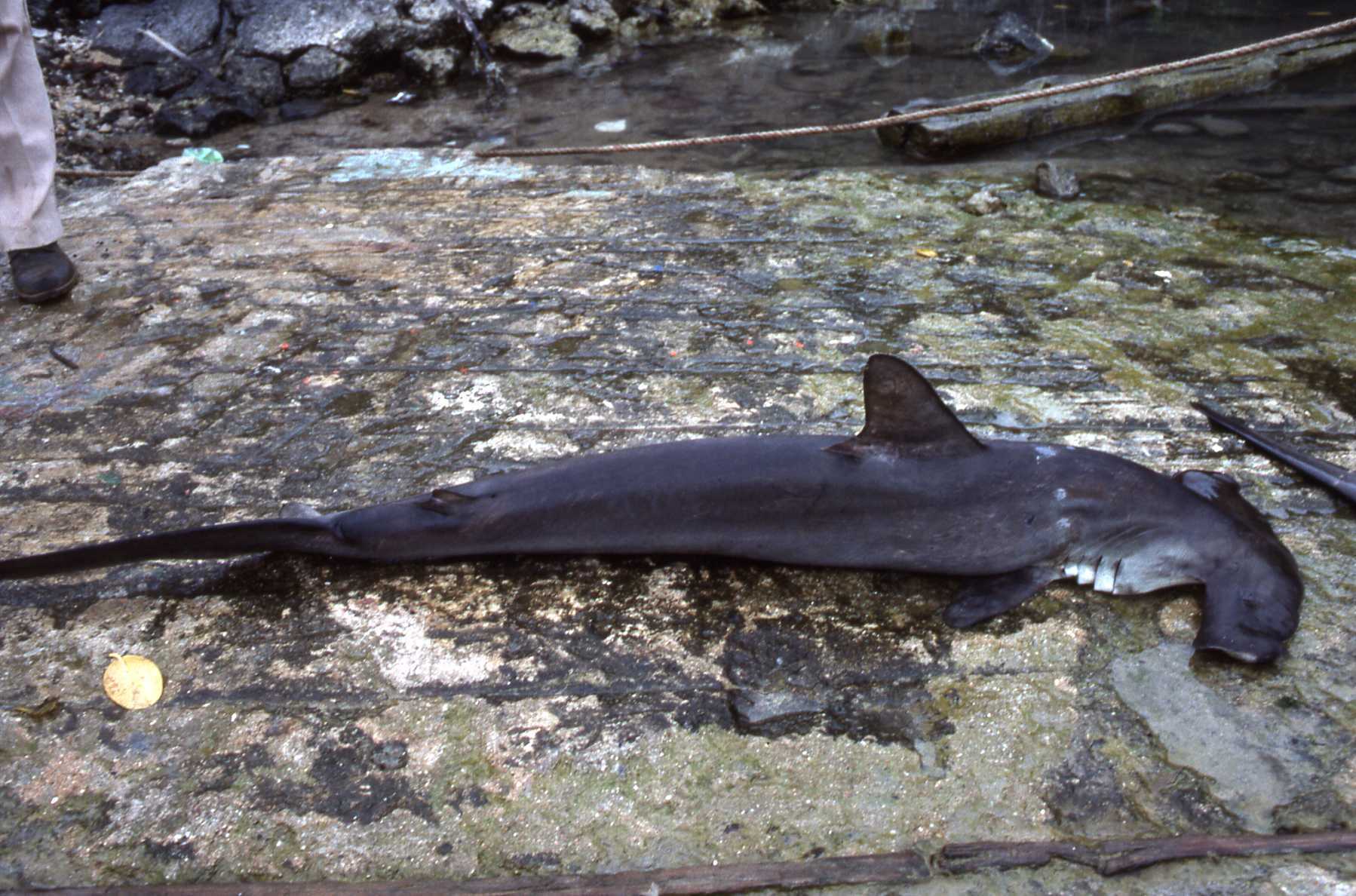
Sharks & Rays
Image: iNaturalist.org (Simon Tonge) (Simon%20Tonge) / CC0
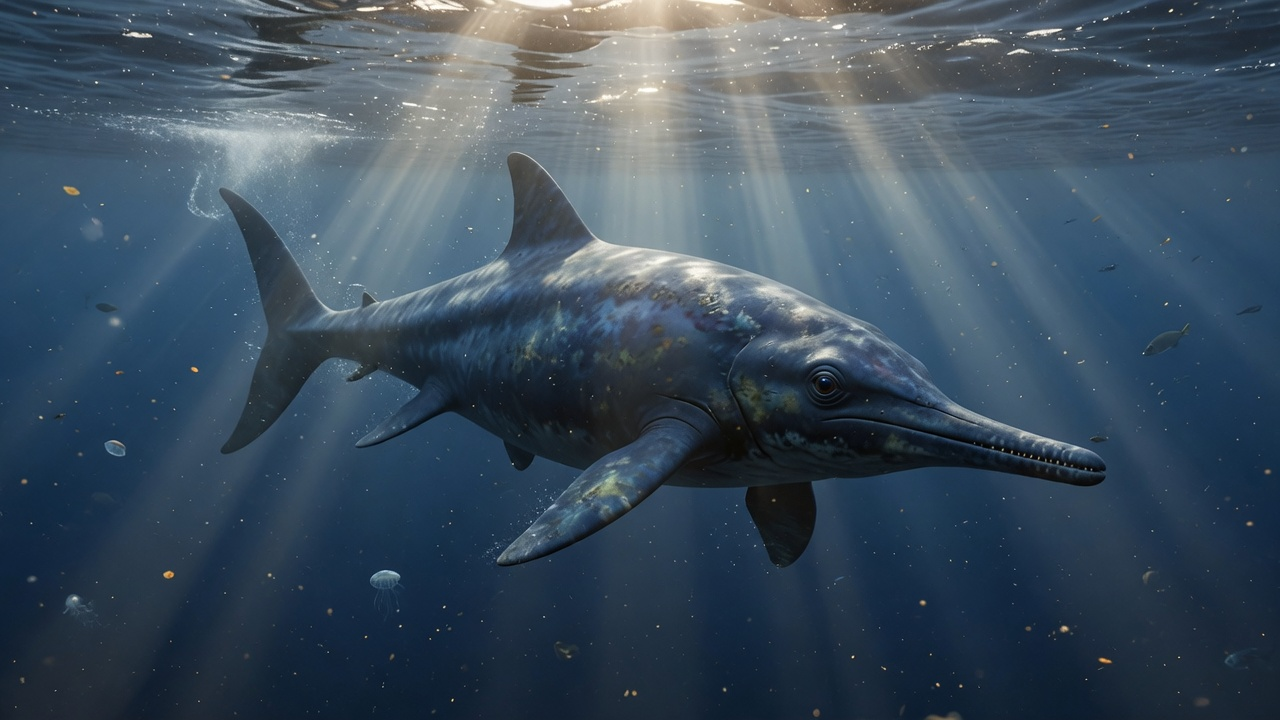
Deep Time Marine Reptiles
Image: Blue Life Commons / Grok Imagine concept reconstruction / CC-BY-4.0
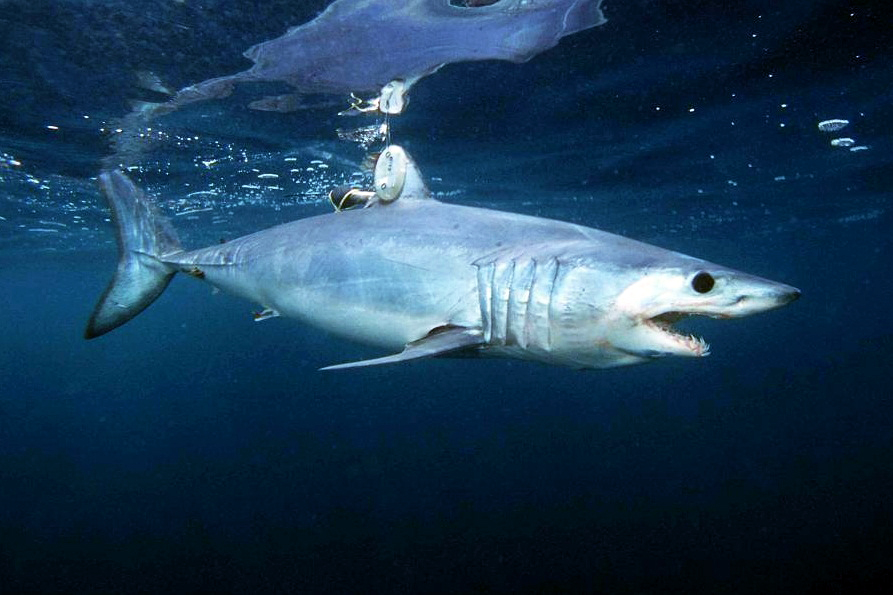
Sharks & Rays
Image: Mark Conlin, SWFSC Large Pelagics Program / Public domain
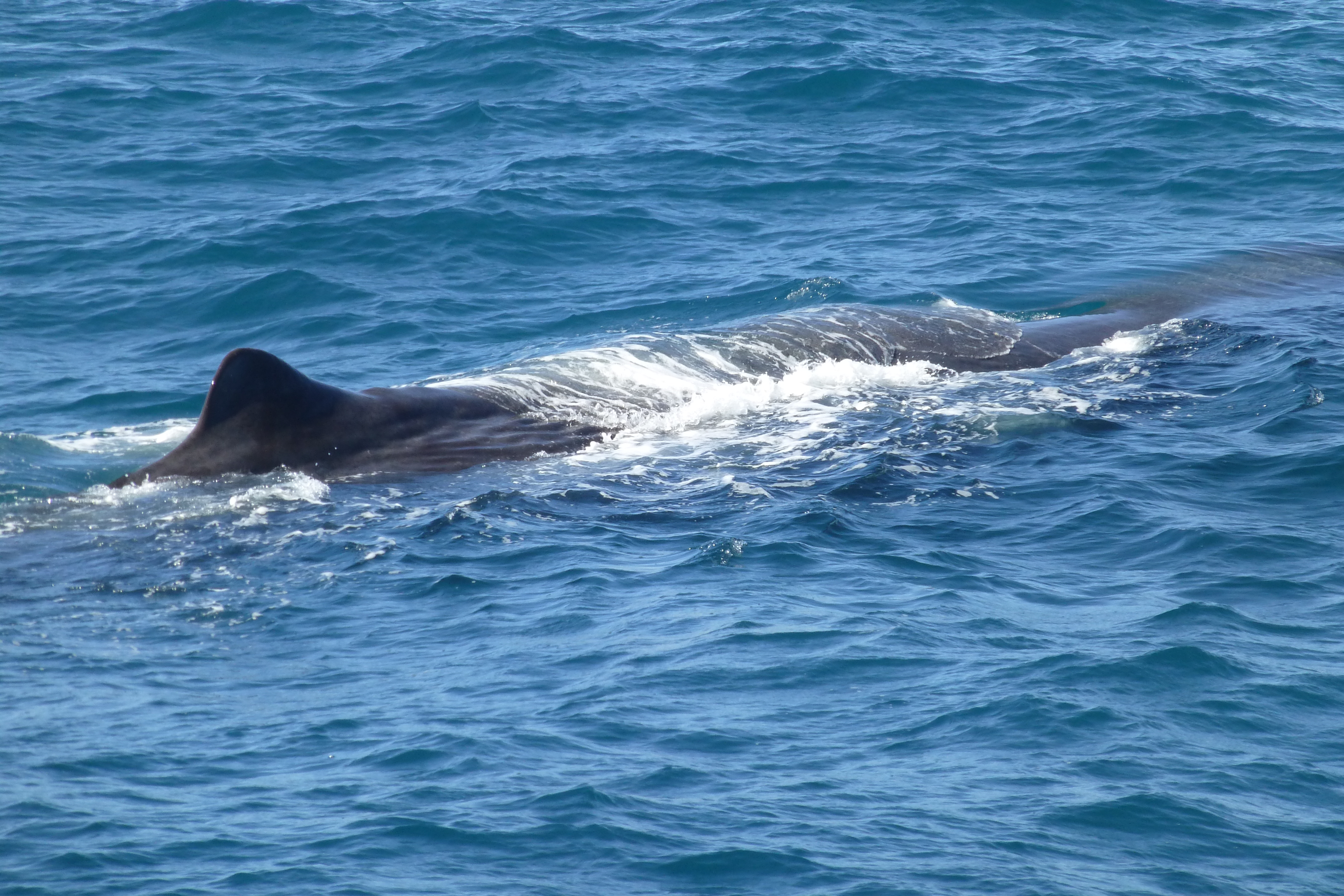
Cetaceans
Image: Marion & Christoph Aistleitner / CC0
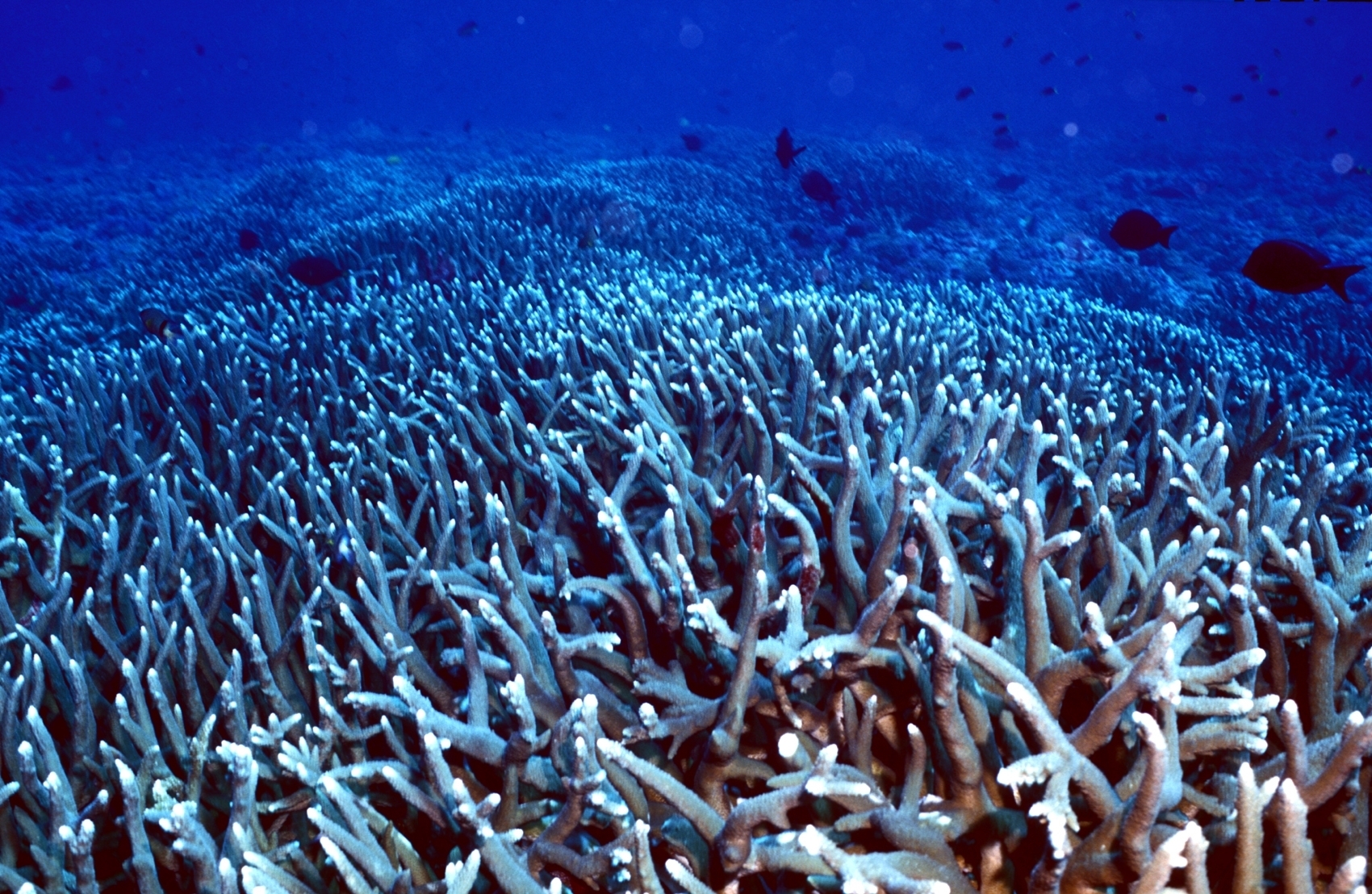
Reefs & Habitat
Image: U.S. Fish and Wildlife Service Headquarters / Public domain
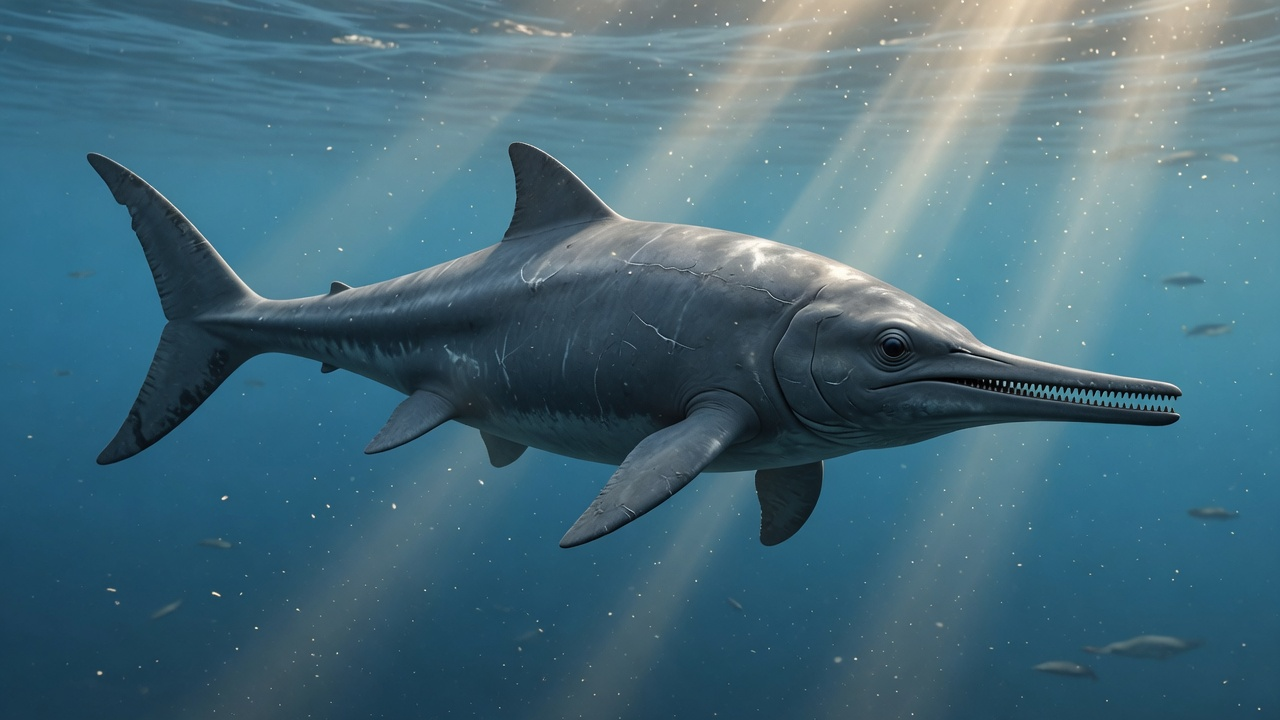
Deep Time Marine Reptiles
Image: Blue Life Commons / Grok Imagine concept reconstruction / CC-BY-4.0
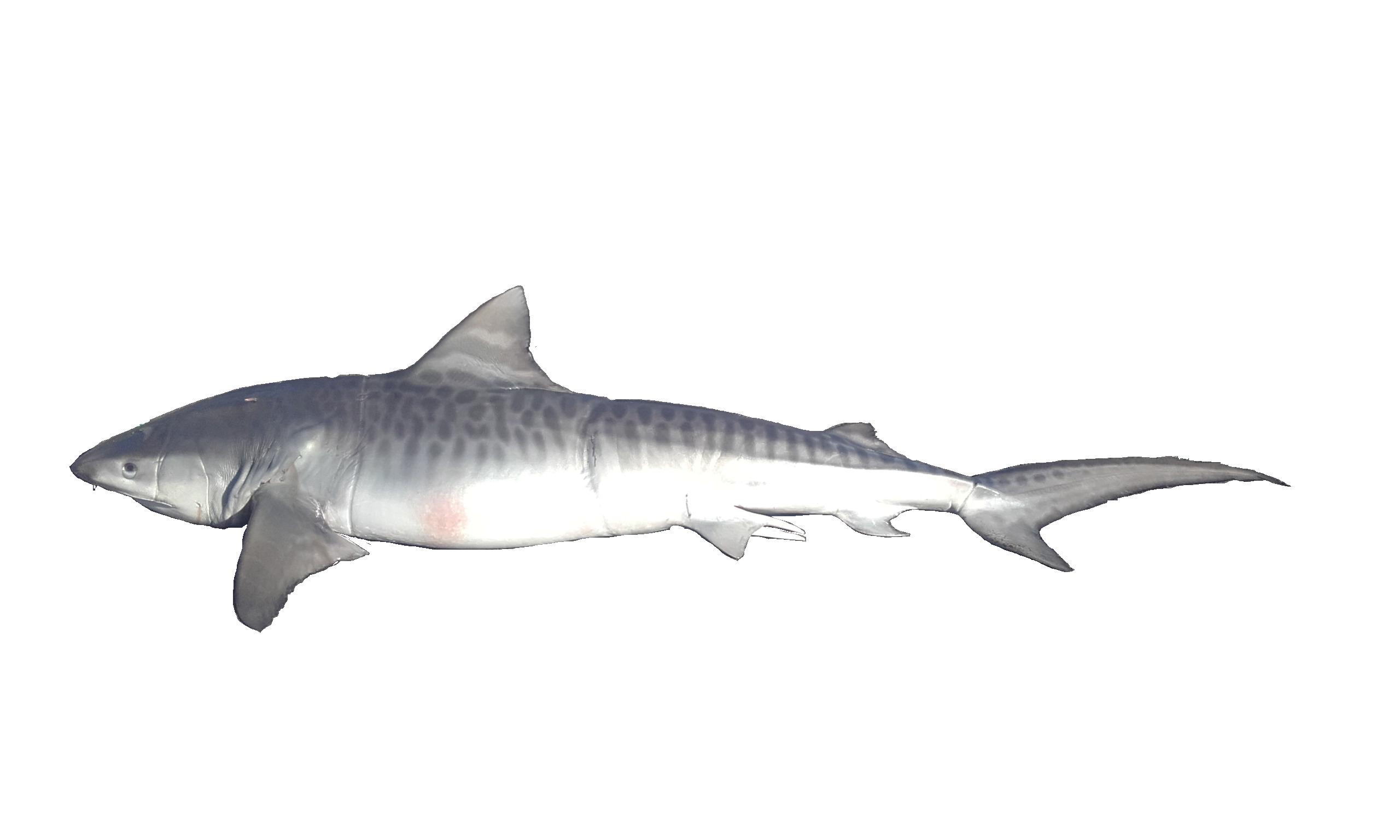
Sharks & Rays
Image: Fanchon Varenne (IFREMER, Délégation océan Indien (DOI), Département Ressources Biologiques et Environnement (RBE), F-97420 Le Port, France) / CC BY 4.0
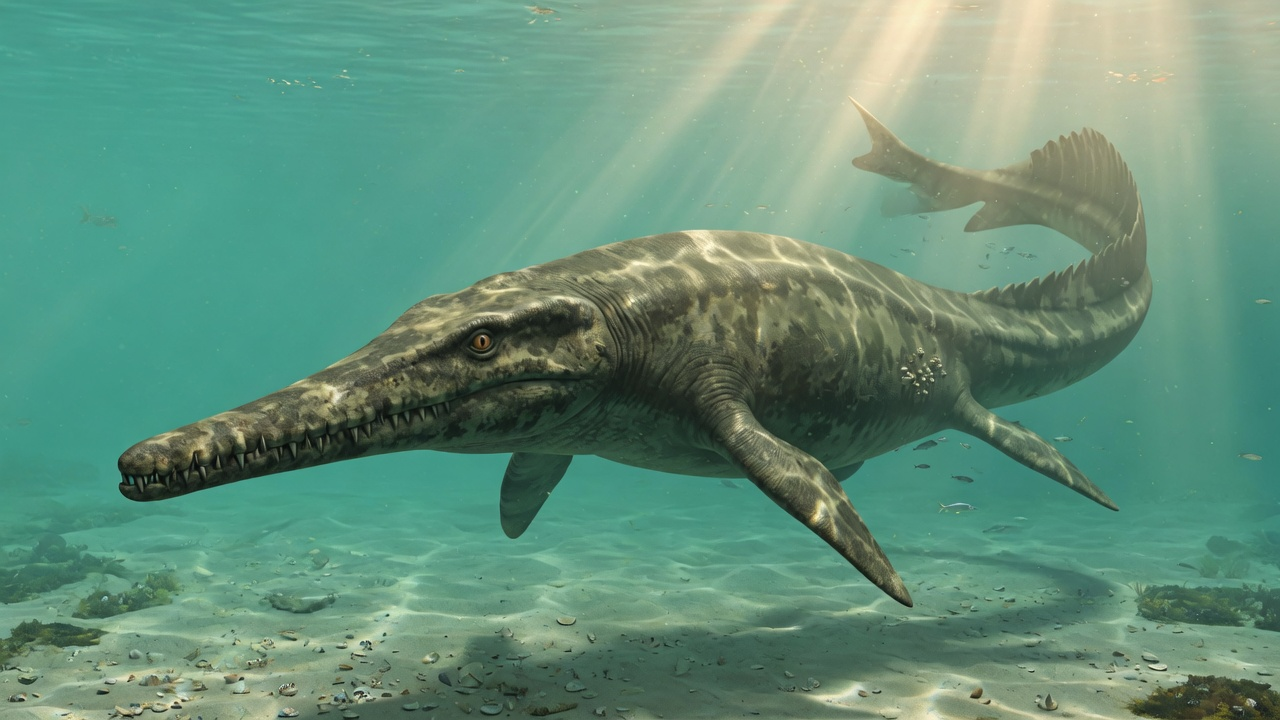
Deep Time Marine Reptiles
Image: Blue Life Commons / Grok Imagine concept reconstruction / CC-BY-4.0
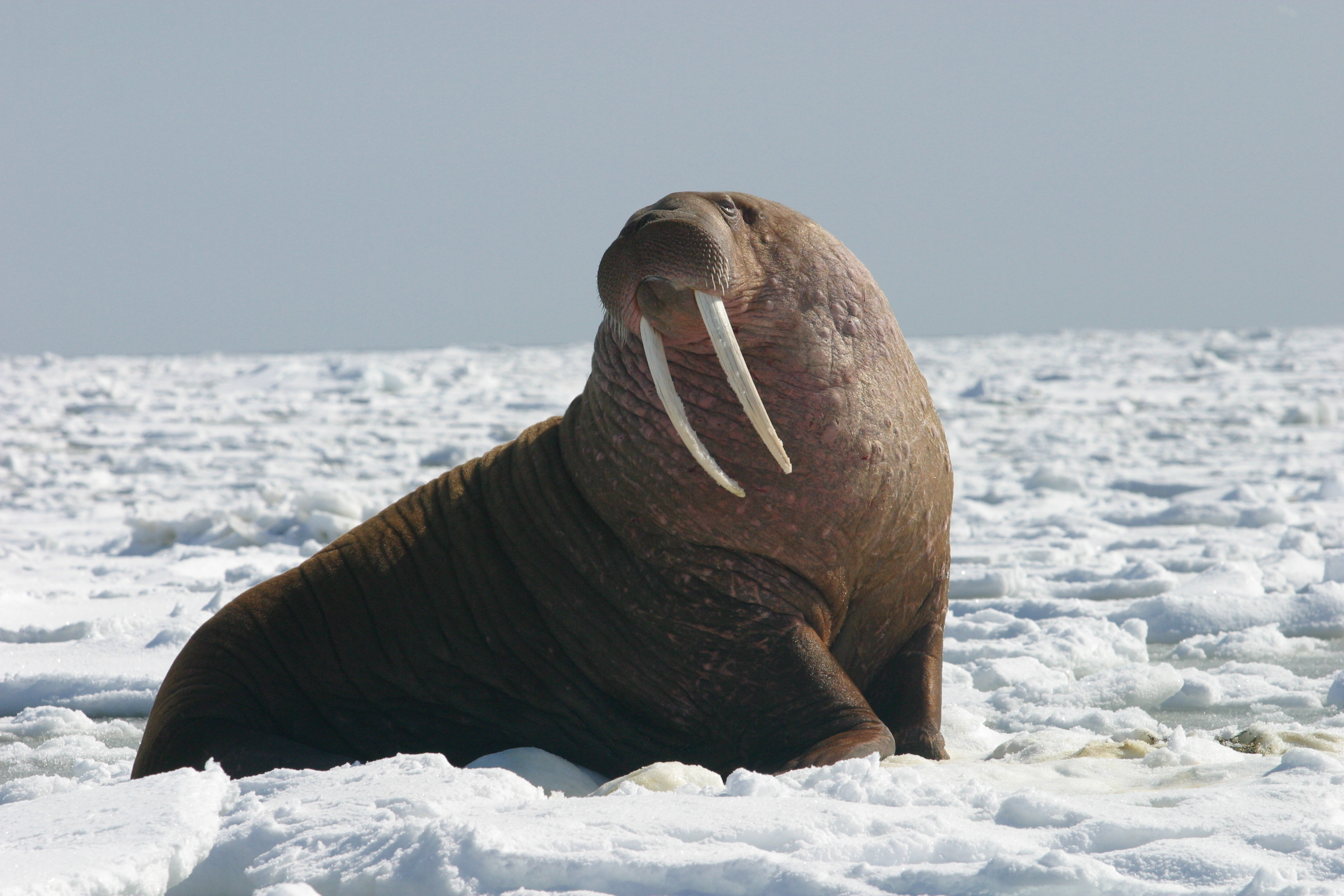
Pinnipeds
Image: Joel Garlich-Miller, U.S. Fish and Wildlife Service / Public domain
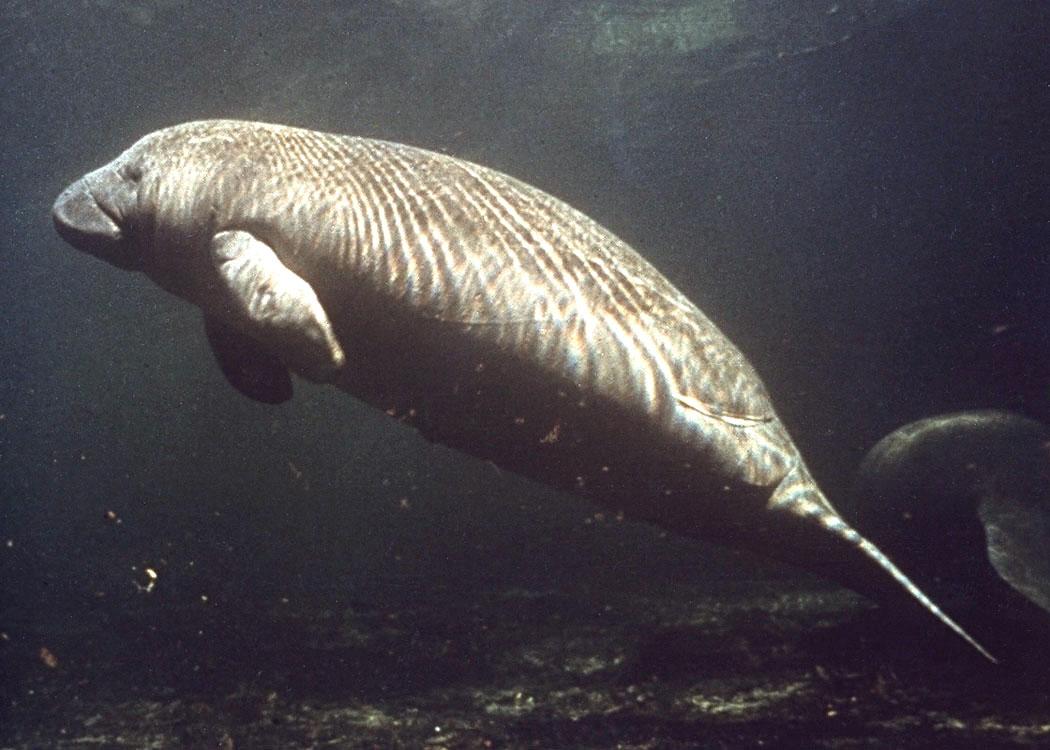
Sirenians
Image: NASA / Public domain
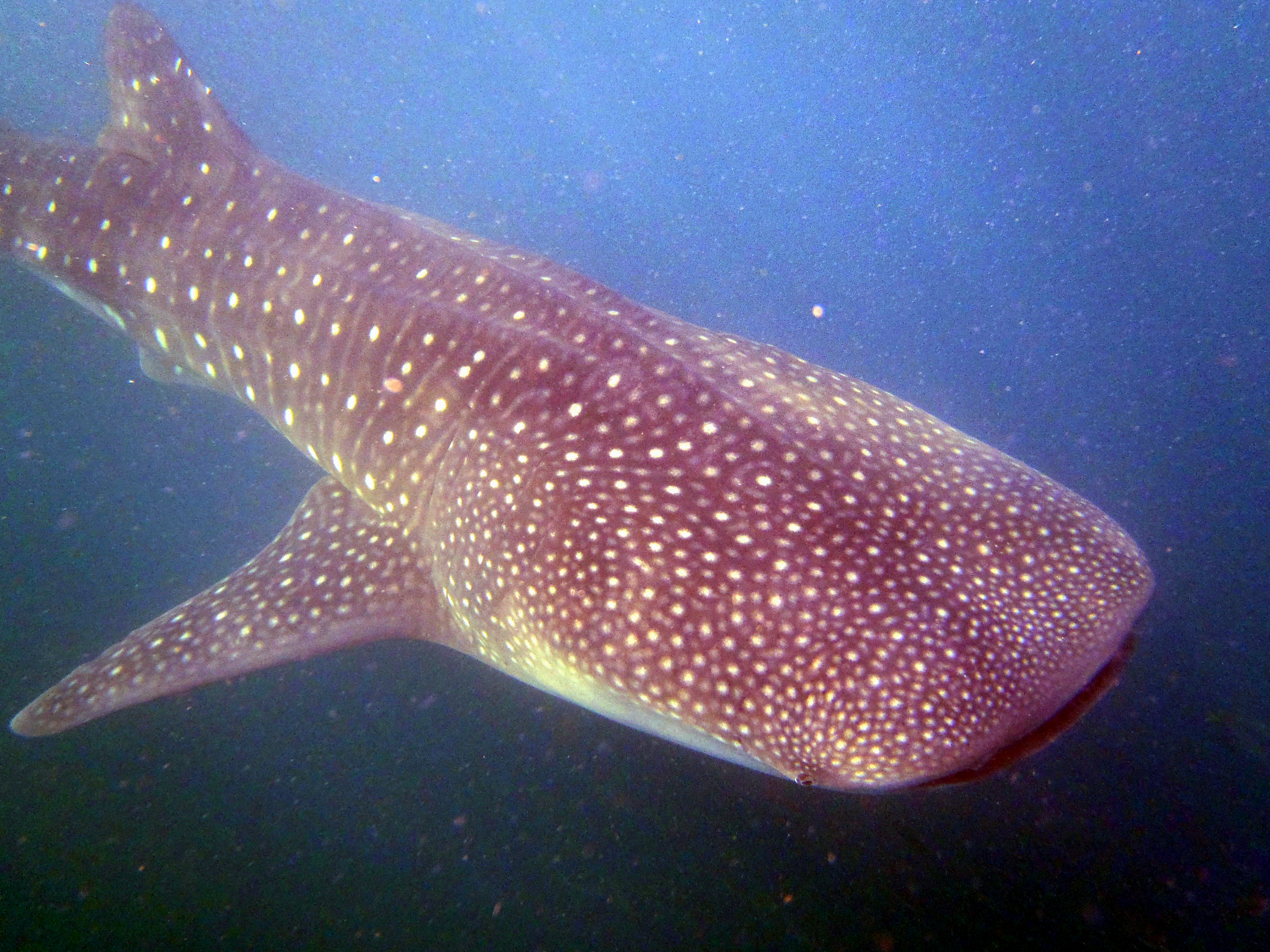
Sharks & Rays
Image: cotterillmike / CC0
The first production storage layer keeps this repo as the rights and review ledger while approved image files are mirrored into Vercel Blob. R2 stays available later if traffic economics demand a dedicated media domain.
Blob-hosted
31
Approved species images now mirrored into the connected Vercel Blob store.
Planned variants
220
5 derivative slots per approved image for the next optimization pass.
Storage plan
264
Original plus public derivative object paths tracked by the storage manifest.
Git originals
0
Bulk source pixels stay out of the repository.
Truth and review trail
Code, source metadata, licenses, object keys, public-safe manifests, and evidence.
Why
Git should stay small, reviewable, and transparent; it should not become the image warehouse.
First owned pixel store
The first 31 approved species images, public Blob URLs, and the upload manifest used by production routes.
Why
Vercel-native storage gets the encyclopedia fully owned and hosted without adding a second infrastructure provider at launch.
Operational registry
Asset rows, variant rows, grants, reviews, checksums, stale-source state, and audit events.
Why
A database is the right layer for search, workflow state, permission expiry, and contributor operations at scale.
Application and publishing layer
Next.js routes, reviewer UI, environment variables, Blob store connection, and production deployments.
Why
The app and first media store now live together; R2 remains the later option if high image traffic makes egress economics more important.
Media domain
https://7xuojupgkl56rqhi.public.blob.vercel-storage.com
Public routes now prefer uploaded Vercel Blob originals when the approved asset appears in the Blob manifest. `card`, `hero`, and `og` derivatives remain a planned optimization step.
The best platform position is not another undifferentiated animal-photo search. It is the public trust layer that joins image rights, taxonomy, source context, welfare review, and action.
Community observation and image recognition
Occurrence media infrastructure
Species knowledge graph
Marine occurrence intelligence
Marine taxonomy backbone
Individual animal photo-identification
Camera-trap workflow
Fish species facts and media
Each lane has a role and a gate. This is how we get faster without weakening image rights, source quality, or animal-welfare context.
First-choice primary media
NOAA, USFWS, museums, government programs, sanctuaries
Gate
Confirm image-level credit, public-domain or license status, and whether non-agency credits require extra permission.
Fast scalable coverage
Wikimedia Commons, iNaturalist open photos, GBIF multimedia records
Gate
Require creator, license URL, source page, species-match basis, crop approval, and blocked-surface notes.
Taxon and trait enrichment
EOL, WoRMS, OBIS, IUCN, FishBase, SeaLifeBase
Gate
Use as source context or identifiers; do not infer image rights from data availability.
High-trust replacement images
Conservation NGOs, researchers, sanctuaries, photographers, field programs
Gate
Written permission must name surfaces, credit line, expiry, embargoes, and sensitive-location constraints.
Scale review without publishing mistakes
Candidate clustering, duplicate checks, taxonomy hints, quality triage
Gate
AI suggestions never publish directly; every public visual needs human approval and provenance.
One stable animal record
Join common name, scientific name, WoRMS or other taxon identifier, artifact id, and page path before collecting images.
Review-only media queue
Pull source pages, thumbnails, file pages, and metadata into reviewer-only records. Do not make candidate image URLs public.
Prioritized curator lane
Rank official/public-domain, open-license, partner-grant, and blocked/needs-permission records by source confidence, license clarity, species match, and welfare risk.
Public species media
Promote only after image-level rights, credit, alt text, crop, sensitive-location review, and species-match evidence are complete.
Useful public page
Render the image with source, creator, license, approved surfaces, blocked surfaces, and links back to original evidence.
Living visual commons
Track stale images, better partner replacements, new source records, missing taxa, and review gaps as a repeatable operating queue.
Blue Life wins by being the rights-safe, source-backed, welfare-aware publishing layer for animal visuals. It should ingest from the best biodiversity platforms, partner with the teams that already own strong field media, and publish only what survives the approval contract.