Grounded, or silent
Every claim traces to a citation with a source tier. If we cannot source it, we do not publish it. No speculation dressed as fact.

Every species page, region briefing, field mission and dataset is cited, ethics-reviewed, and versioned on GitHub. We publish what the evidence decides — grounded in sources, or silent. Free for everyone, forever.
Knowledge is created and governed in the open, made intelligent by shared systems, and sustained by a business that never gates the public good.
A public library of ocean intelligence — species pages, region briefings, missions, datasets. Peer-reviewed, cited, CC-BY licensed. The trust layer everything else builds on.
Agents, connectors and an MCP server that turn the commons into living signals — pulling from NOAA, OBIS and GBIF to keep knowledge current and machine-readable.
Implementation for NGOs, sanctuaries and agencies — regional portals, research operating systems, custom connectors. Revenue funds the commons; the commons stays free.
A cross-section of the library — species pages, briefings and missions, each backed by cited evidence.

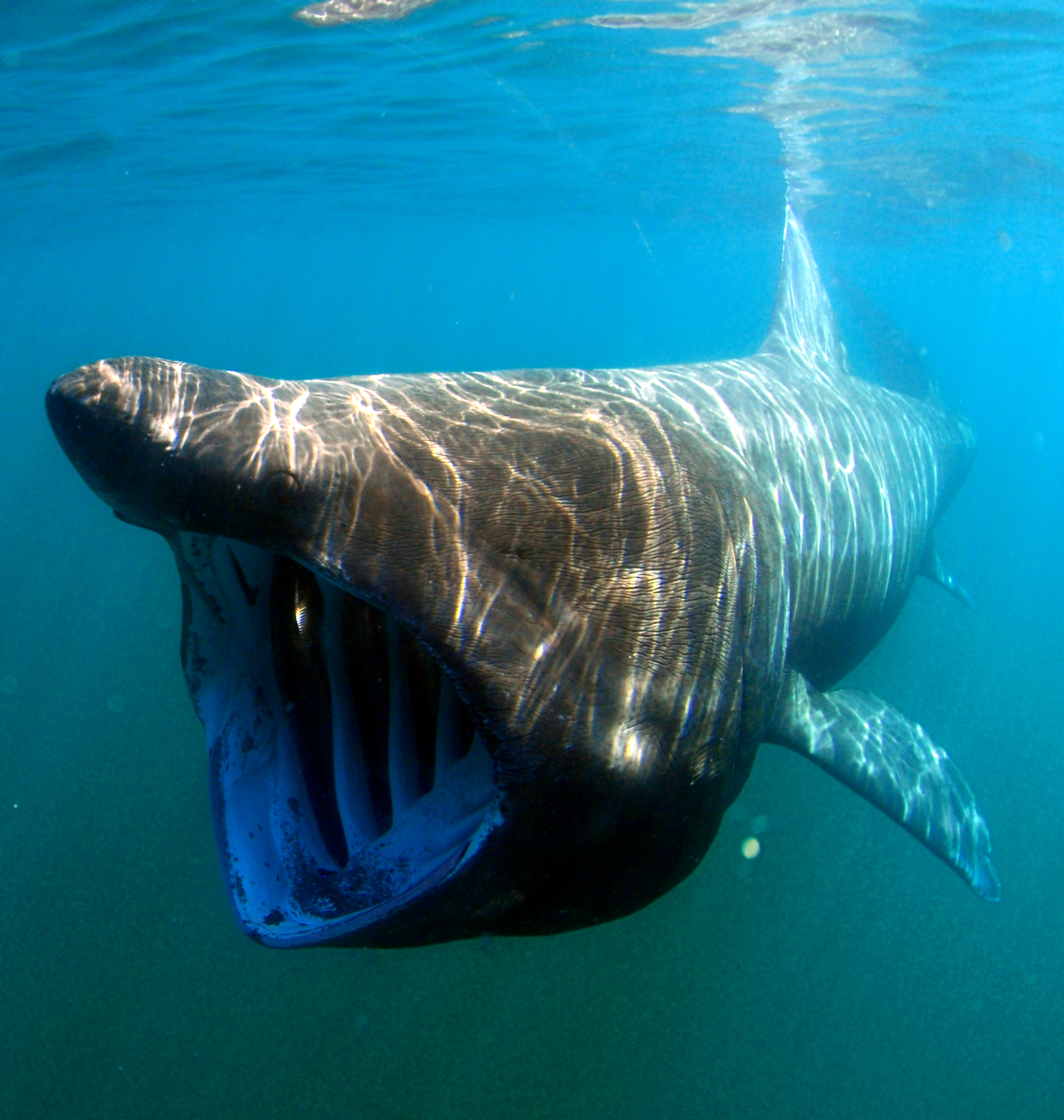
Image: Greg Skomal / NOAA Fisheries Service / Public domain
The basking shark is one of the most recognizable sharks: an enormous body, a bulbous conical snout, and very large gill slits that nearly encircle the head. The mouth is large and subterminal, with many small hooked tee

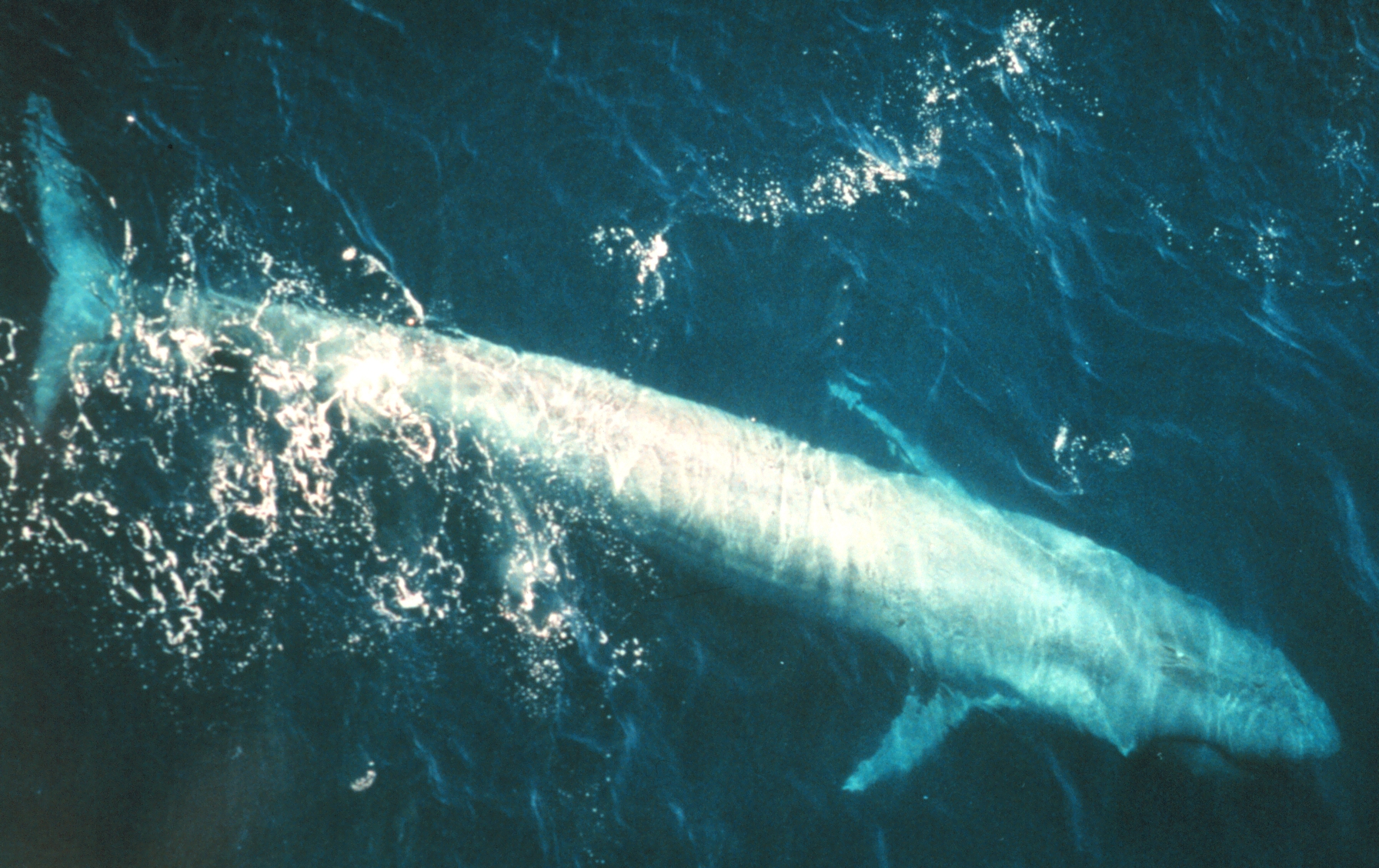
Image: NMFS Northeast Fisheries Science Center (NOAA) / Public domain
A very large, slender baleen whale that NOAA Fisheries reports can reach roughly 110 feet (about 33 m) in length, with a long mottled blue grey body, a small dorsal fin set far back, and a broad flat head. The blow is ta

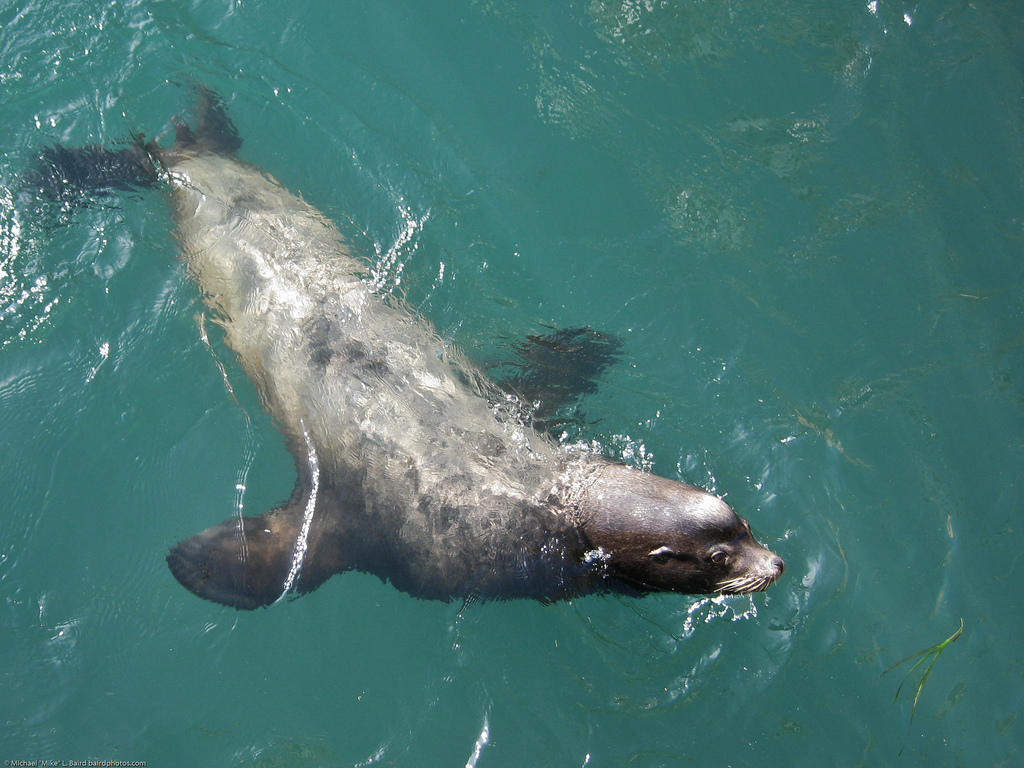
Image: https://www.flickr.com/photos/mikebaird/ Mike Baird / CC BY 2.0
A medium large eared seal: males are much larger than females and develop a raised forehead crest (sagittal crest) with age, often appearing lighter on the crown. Unlike true seals, otariids have visible external ear fla

Image: NASA / Public domain
A robust grey dolphin with a short, distinct beak and a curved (falcate) dorsal fin. NOAA Fisheries reports lengths of about 6 to 13 feet (roughly 2 to 4 m) and weights of about 300 to 1,400 pounds, with coastal and offs
The Antarctic Peninsula is the northernmost reach of the Antarctic continent, extending toward South America and bordered by some of the most biologically productive waters in the Southern Ocean. It is also one of the fa
The Azores are a Portuguese archipelago in the central North Atlantic, sitting atop the Mid Atlantic Ridge. The volcanic islands rise from a seafloor studded with seamounts, and the deep water close to shore makes the ar
Every claim traces to a citation with a source tier. If we cannot source it, we do not publish it. No speculation dressed as fact.
Sensitive locations are generalized. Missions carry ethics review. The Five Domains welfare model frames how we describe animal wellbeing.
Contribution, review and versioning happen in the open on GitHub. This website is a rendering of what the community has verified.
Content is CC-BY and free forever. The work is sustained by services and sponsorship — never by locking the knowledge away.
Guardian layers live public data over our reviewed knowledge — biodiversity occurrence records from OBIS and GBIF, the same open sources the Ocean Intelligence System watches. Facts appear only when the source responds.

Whether you observe, research, teach, fund or build — there is a place for you in the commons. Everything you add stays open and credited.