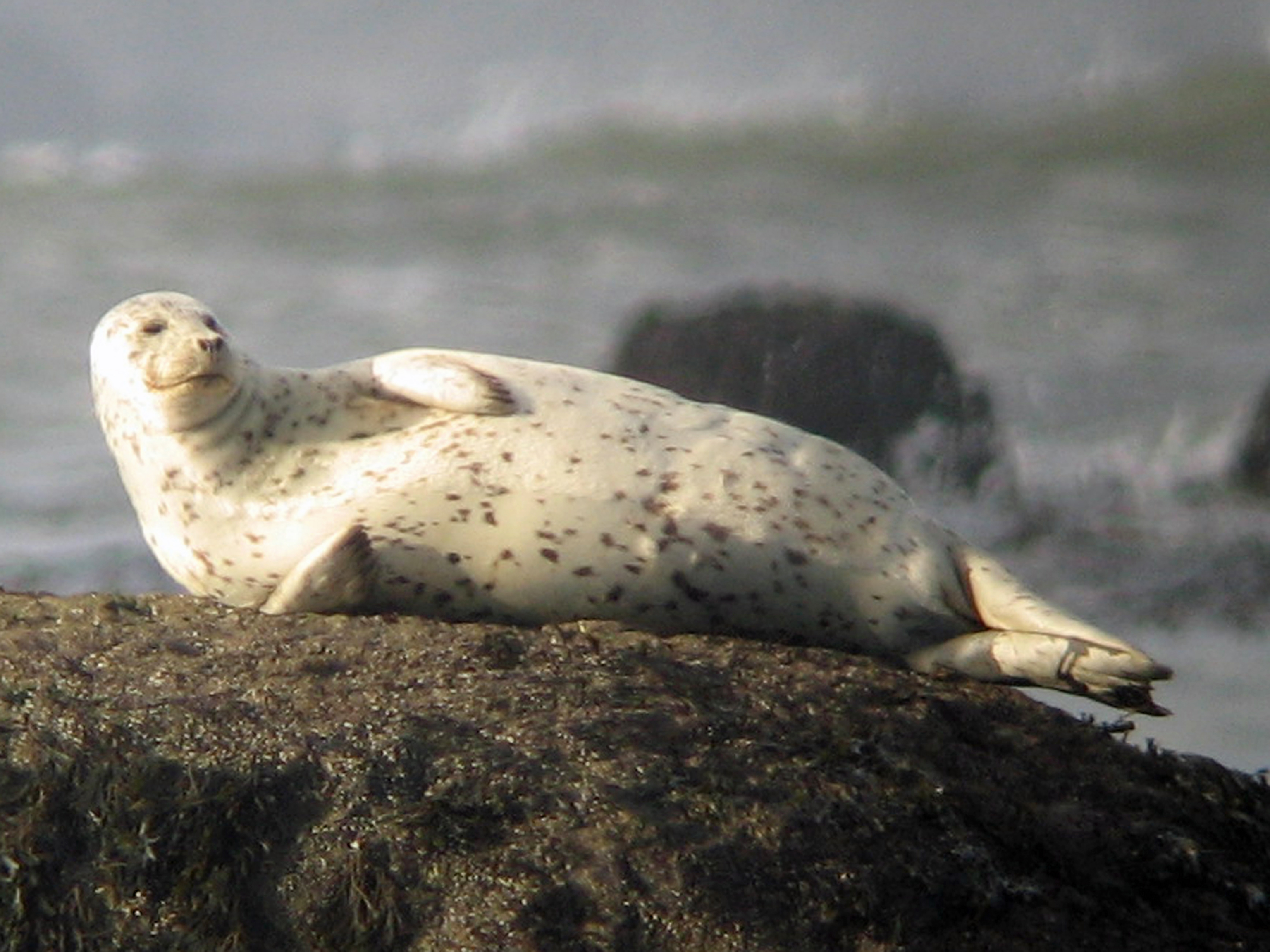
Harbor Seal
Phoca vitulina
Harbor Seal, Phoca vitulina.
- Guild
- pinnipeds
- Reading level
- beginner
- Sources
- 2
Harbor Seal (Phoca vitulina)
Status: needs expert review. Conservation claims cite the IUCN Red List; a reviewer should confirm currency and subspecies detail before approval. The harbor seal (Phoca vitulina) is a widespread coastal "true seal" of temperate and Arctic Northern Hemisphere shores.
At a glance
| Field | Value | Source |
|---|---|---|
| Scientific name | Phoca vitulina | WoRMS / authority |
| Guild | pinniped (phocid / true seal) | — |
| IUCN status | Least Concern (species overall) | IUCN Red List |
| Population trend | Increasing since ~1970s; total ~600,000 | IUCN Red List |
| Range | Coastal North Atlantic, North Pacific, and adjacent Arctic | IUCN Red List |
Identification
A small-to-medium seal with a rounded head, V-shaped nostrils, and a coat of spots and rings on a grey-to-brown background; no external ear flaps (a "true" / phocid seal). On land it moves by caterpillar-like undulation; it cannot rotate its hind flippers forward like sea lions.
Ecology and behavior
Harbor seals haul out on rocks, sandbars, and beaches to rest, molt, and pup. They forage on fish and invertebrates in coastal waters. Pupping and molting seasons are sensitive periods. Behavioral specifics should be cited to published research and confirmed in review.
Conservation status and threats
The harbor seal is assessed Least Concern by the IUCN, with a total population around 600,000 and an increasing trend since the 1970s. However, some subspecies and regional populations face serious challenges (for example, a freshwater subspecies with very few individuals), and disease die-offs have killed thousands in some years. Report figures as the cited authorities state them; a reviewer should confirm subspecies specifics.
How to observe responsibly
This page does not provide approach guidance. Follow the reviewed observation guide and local marine-mammal viewing rules. Hauled-out seals — especially mothers and pups — must not be approached or disturbed; a disturbed seal that flushes into the water can abandon a pup. Keep well back, stay quiet, and leash dogs near haul-outs. Exact haul-out and pupping sites are kept to regional granularity (ETHICS.md).
How you can help
- Log sightings to a recognized citizen-science platform (see the iNaturalist dataset card) — without approaching haul-outs.
- Report stranded or entangled seals to the local marine-mammal stranding network rather than intervening yourself.
- Support coastal haul-out protection and disturbance-reduction programs.
Sources (2)
Every claim traces to one of the citations below. Anything that could not be sourced was left out.
Related in the commons
Wadden Sea (Netherlands · Germany · Denmark)
The Wadden Sea stretches along the southeastern North Sea coast across the Netherlands, Germany (Lower Saxony and Schleswig Holstein National Parks), and Denmark. It was inscribed as a UNESCO World Heritage property in 2
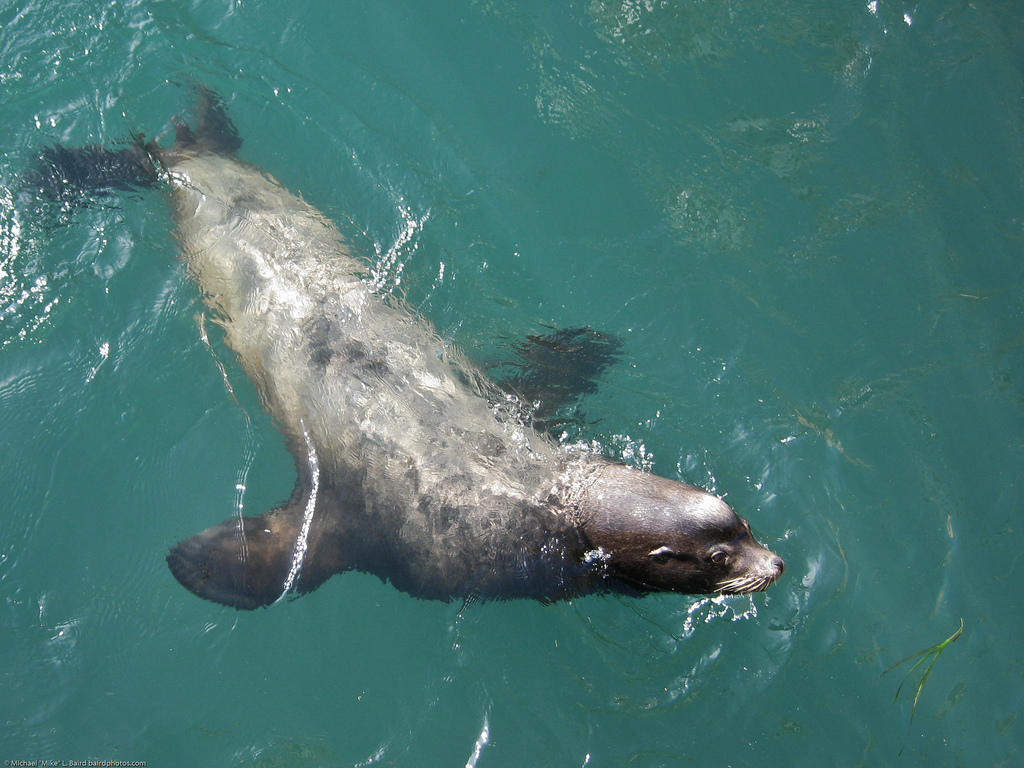
Image: https://www.flickr.com/photos/mikebaird/ Mike Baird / CC BY 2.0
California Sea Lion (Zalophus californianus)
A medium large eared seal: males are much larger than females and develop a raised forehead crest (sagittal crest) with age, often appearing lighter on the crown. Unlike true seals, otariids have visible external ear fla
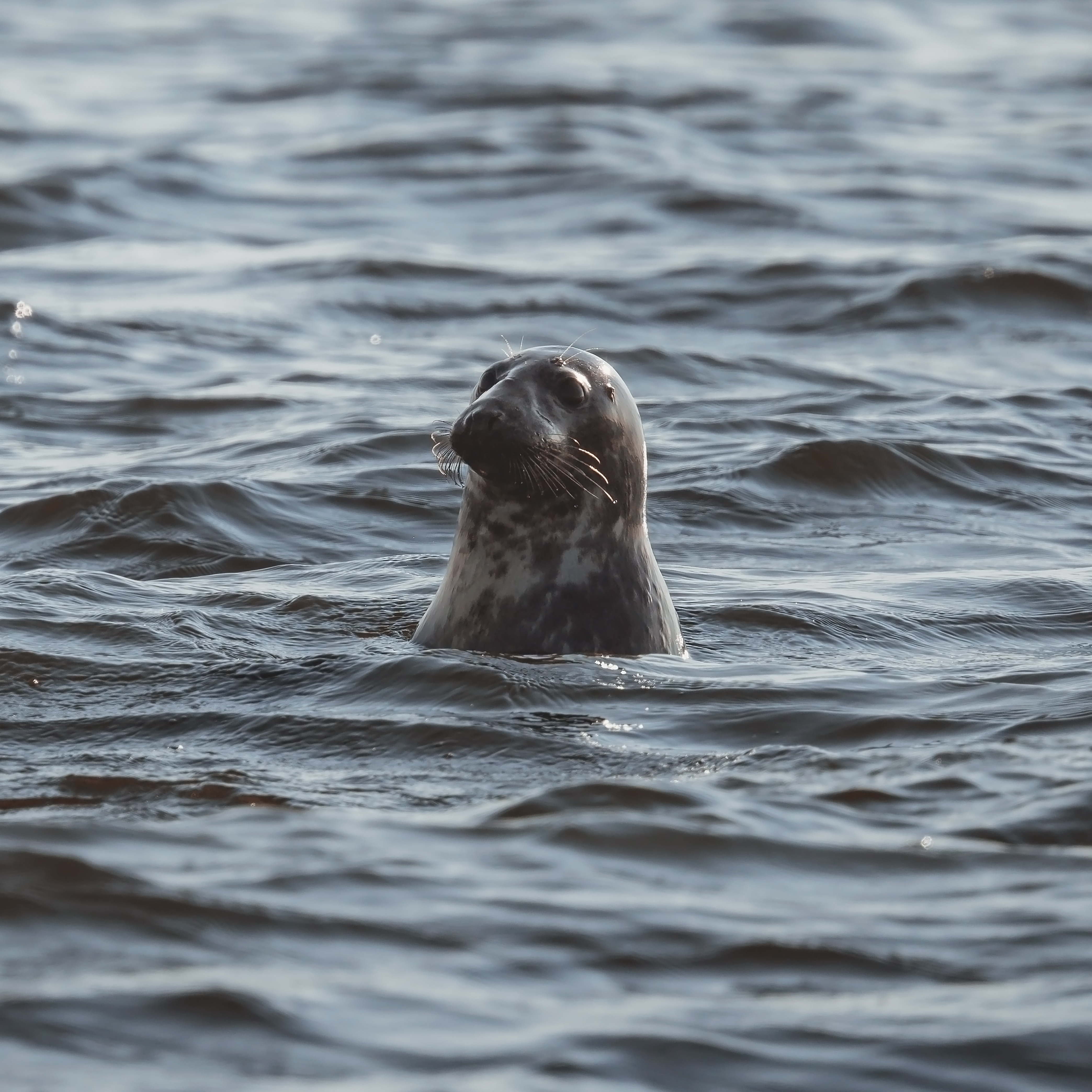
Image: Aneta p / CC BY 4.0
Grey Seal (Halichoerus grypus)
A large phocid with a long, broad muzzle and a relatively flat profile — the genus name Halichoerus ("hook nosed sea pig") points to the distinctive snout. Adult males are darker and noticeably larger than females, with
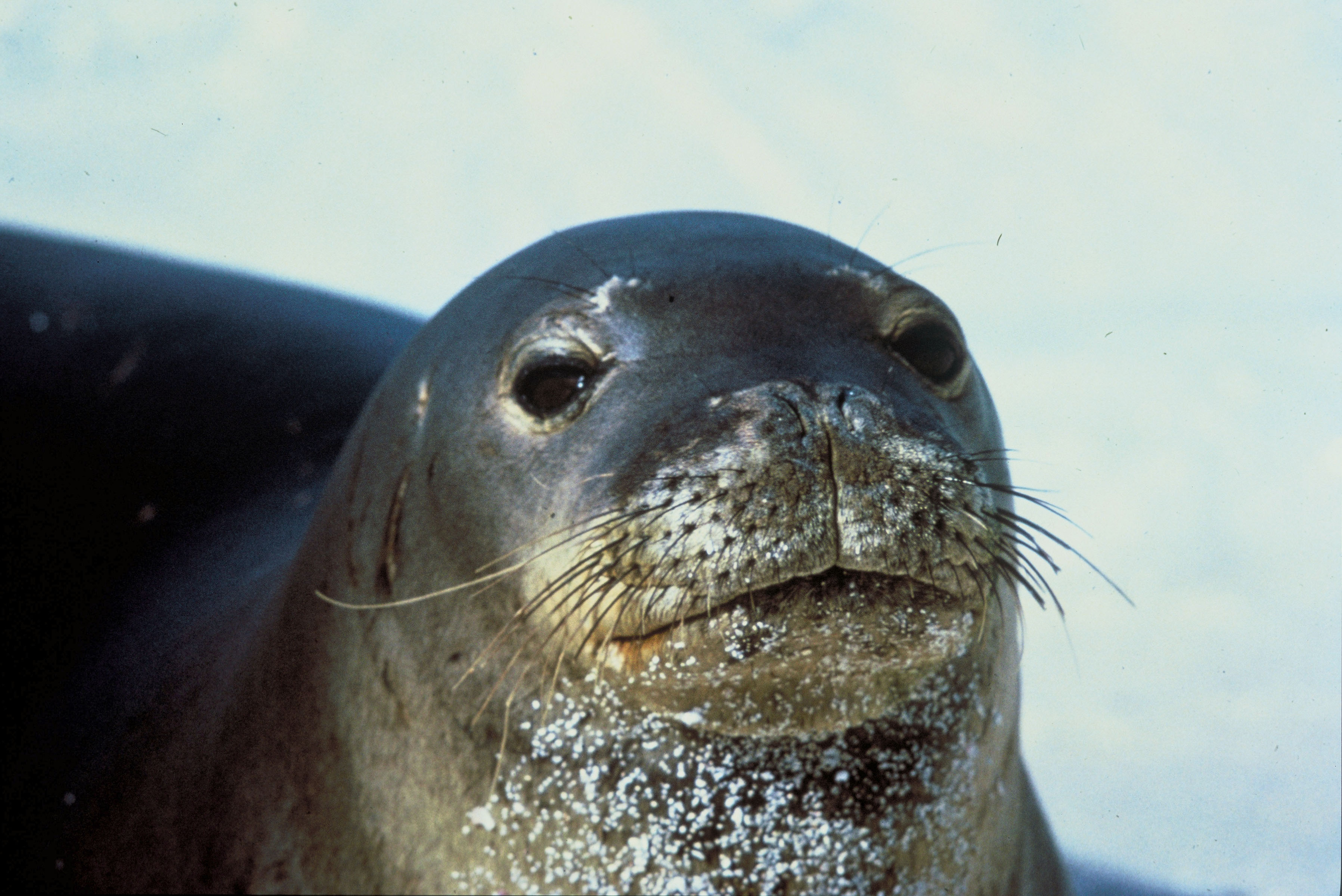
Image: U.S. Fish and Wildlife Service / Public domain
Hawaiian Monk Seal (Neomonachus schauinslandi)
A robust true seal with a relatively slender body, a broad, rounded head, and short snout. Coloration is silvery grey to brown above and lighter below, often with green tinged algal films or scarring on adults; pups are