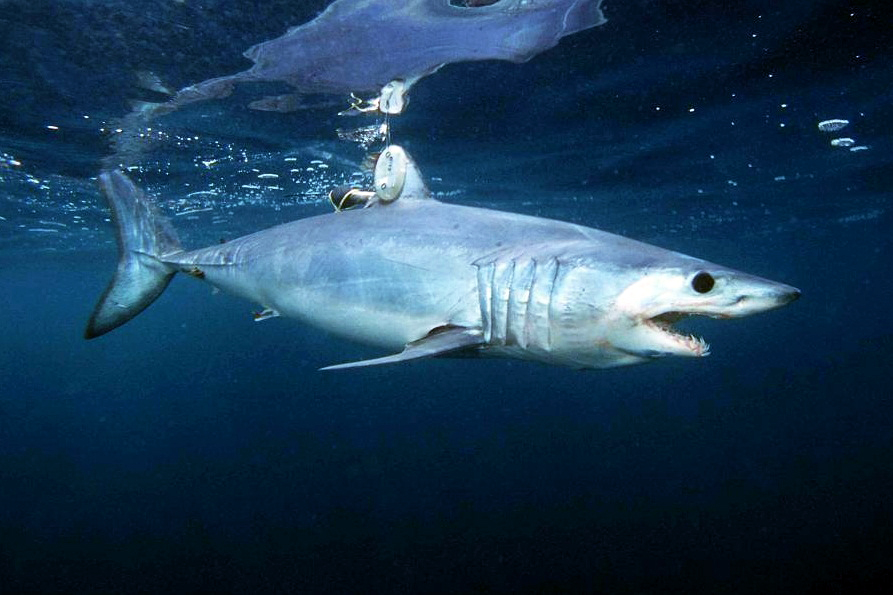
Shortfin Mako
Isurus oxyrinchus
Shortfin mako shark (Isurus oxyrinchus).
- Status
- EN
- Guild
- sharks rays
- Sources
- 2
Shortfin Mako (Isurus oxyrinchus)
Status: needs expert review. This species is Endangered; a science reviewer should confirm the current IUCN category, assessment date, the global and regional decline estimates, and current management measures before approval. The shortfin mako (Isurus oxyrinchus) is a large, fast, highly migratory mackerel shark of the open ocean.
At a glance
| Field | Value | Source |
|---|---|---|
| Scientific name | Isurus oxyrinchus | IUCN Red List |
| Guild | shark-ray | — |
| IUCN status | Endangered (assessed 2018; version 2019-1) | IUCN Red List |
| Population trend | Decreasing | IUCN Red List |
| Range | All temperate and tropical ocean waters | NOAA Fisheries |
| International trade | CITES Appendix II | NOAA Fisheries |
Identification
The shortfin mako is a large, highly migratory shark with a pointed (conical) snout, light metallic-blue sides, and a white underside. It has relatively small eyes and pectoral fins compared with the closely related longfin mako (Isurus paucus) (NOAA Fisheries).
Ecology and behavior
The shortfin mako occurs across all temperate and tropical ocean waters and ranges widely across the open ocean. It is a member of the mackerel shark family (Lamnidae), the group that includes regional endothermy ("warm-bodied" physiology). The species is reported to be among the fastest-swimming sharks; specific speed, diet, and movement claims should be cited to published research and confirmed in review (NOAA Fisheries).
Conservation status and threats
The IUCN Red List assesses the shortfin mako globally as Endangered (assessed 2018, published in version 2019-1), with a decreasing population trend. The global assessment inferred a median decline of roughly 47% over three generations, with much steeper regional declines — at least 80% over three generations inferred for the Mediterranean. The dominant pressure is incidental capture (and retention) in pelagic fisheries, particularly longlines and driftnets (IUCN Red List).
Documented threats include:
- Bycatch and targeted retention in high-seas pelagic longline and driftnet fisheries
- High value of fins and meat
- Slow life history that limits recovery from fishing mortality
The species was added to CITES Appendix II in 2019, requiring trade permits and monitoring (NOAA Fisheries). In November 2022, NOAA Fisheries determined that the shortfin mako does not warrant listing under the U.S. Endangered Species Act (NOAA Fisheries). Report figures as the cited authorities state them; a reviewer should confirm the current assessment and regional management.
How to observe responsibly
This page does not provide approach guidance. As an open-ocean species, the shortfin mako is rarely encountered deliberately except in fishing or pelagic-dive contexts. Any encounter must follow a reviewed observation guide and local regulations — distance first, no feeding, baiting, chasing, or surrounding. Because the species is fisheries-targeted and Endangered, this page keeps any movement corridors or aggregation areas at regional granularity only (ETHICS.md).
How you can help
- Log sightings to a recognized citizen-science platform (see the iNaturalist dataset card).
- Support science-based catch limits and retention bans for makos through credible organizations and fisheries-management advocacy.
- Avoid shark-fin products and unverified shark-derived goods.
Sources (2)
Every claim traces to one of the citations below. Anything that could not be sourced was left out.
Related in the commons
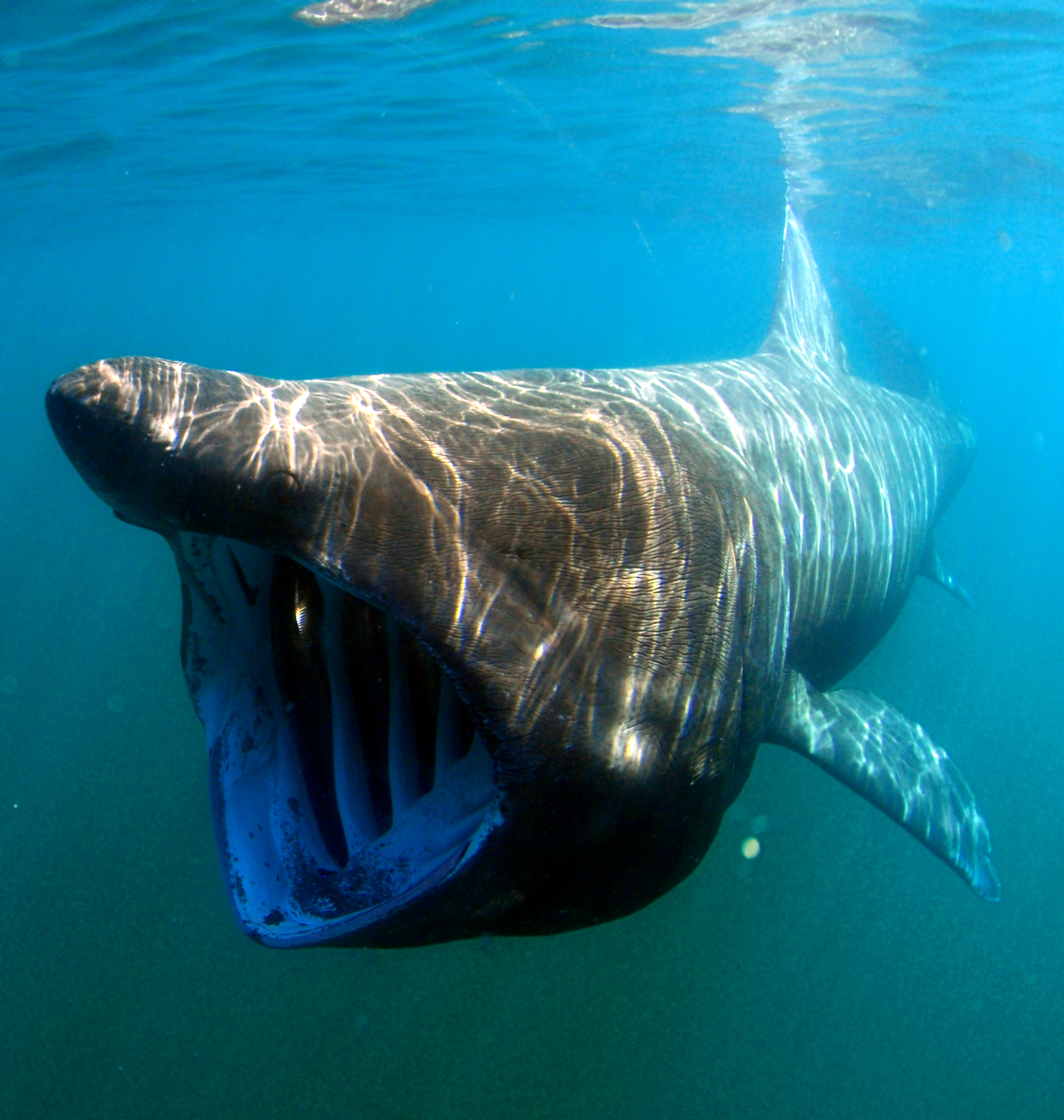
Image: Greg Skomal / NOAA Fisheries Service / Public domain
Basking Shark (Cetorhinus maximus)
The basking shark is one of the most recognizable sharks: an enormous body, a bulbous conical snout, and very large gill slits that nearly encircle the head. The mouth is large and subterminal, with many small hooked tee
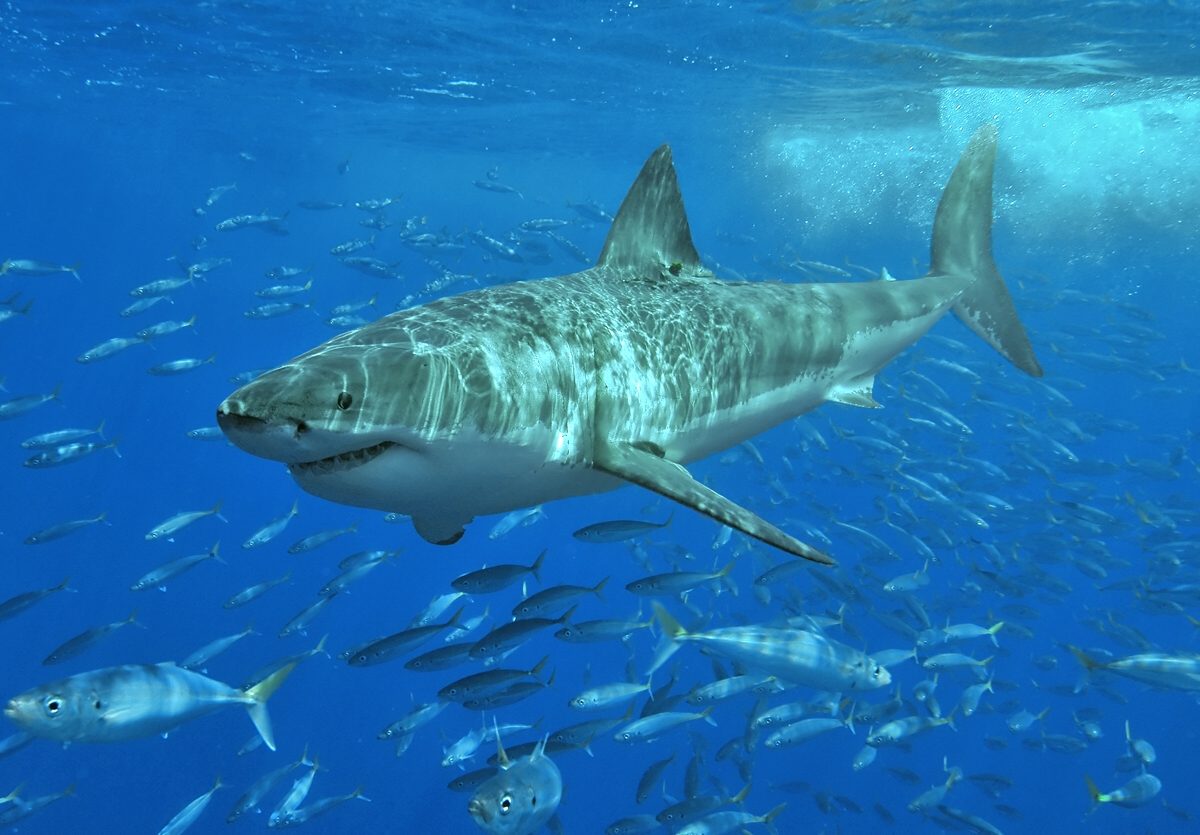
Image: Pterantula (Terry Goss) at en.wikipedia / CC BY 2.5
Great White Shark
The great white shark, also known as the white shark, is a species of large lamniform shark found in the coastal surface waters of all major oceans. It is notable for its size, predatory capabilities, and role as an apex
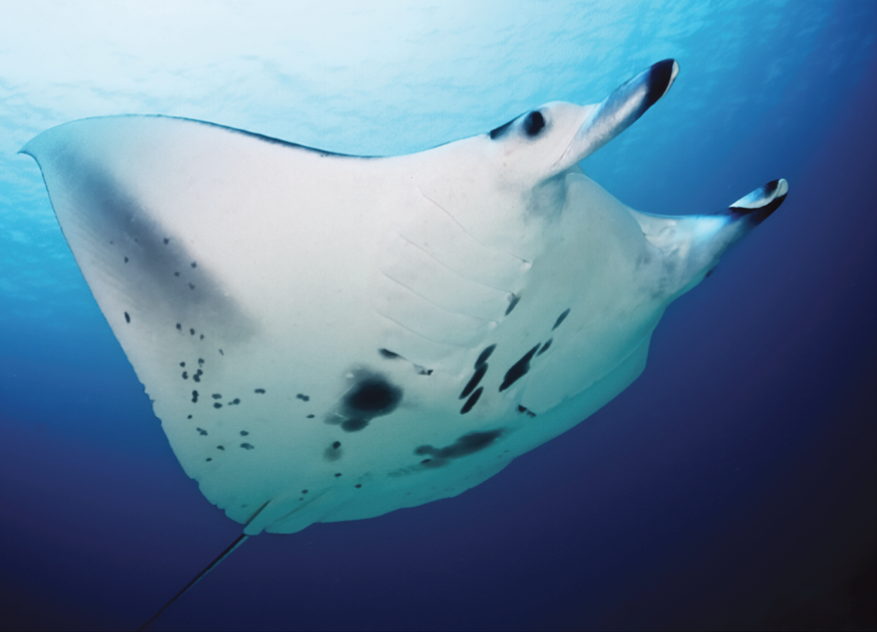
Image: Jaine FRA, Couturier LIE, Weeks SJ, Townsend KA, Bennett MB, et al. (2012) / CC BY 2.5
Reef Manta Ray (Mobula alfredi)
The reef manta ray is a very large ray with a kite shaped disc, broad wing like pectoral fins, and a pair of long, flexible cephalic ("head") lobes flanking a wide, terminal mouth. Individuals carry unique natural spot p
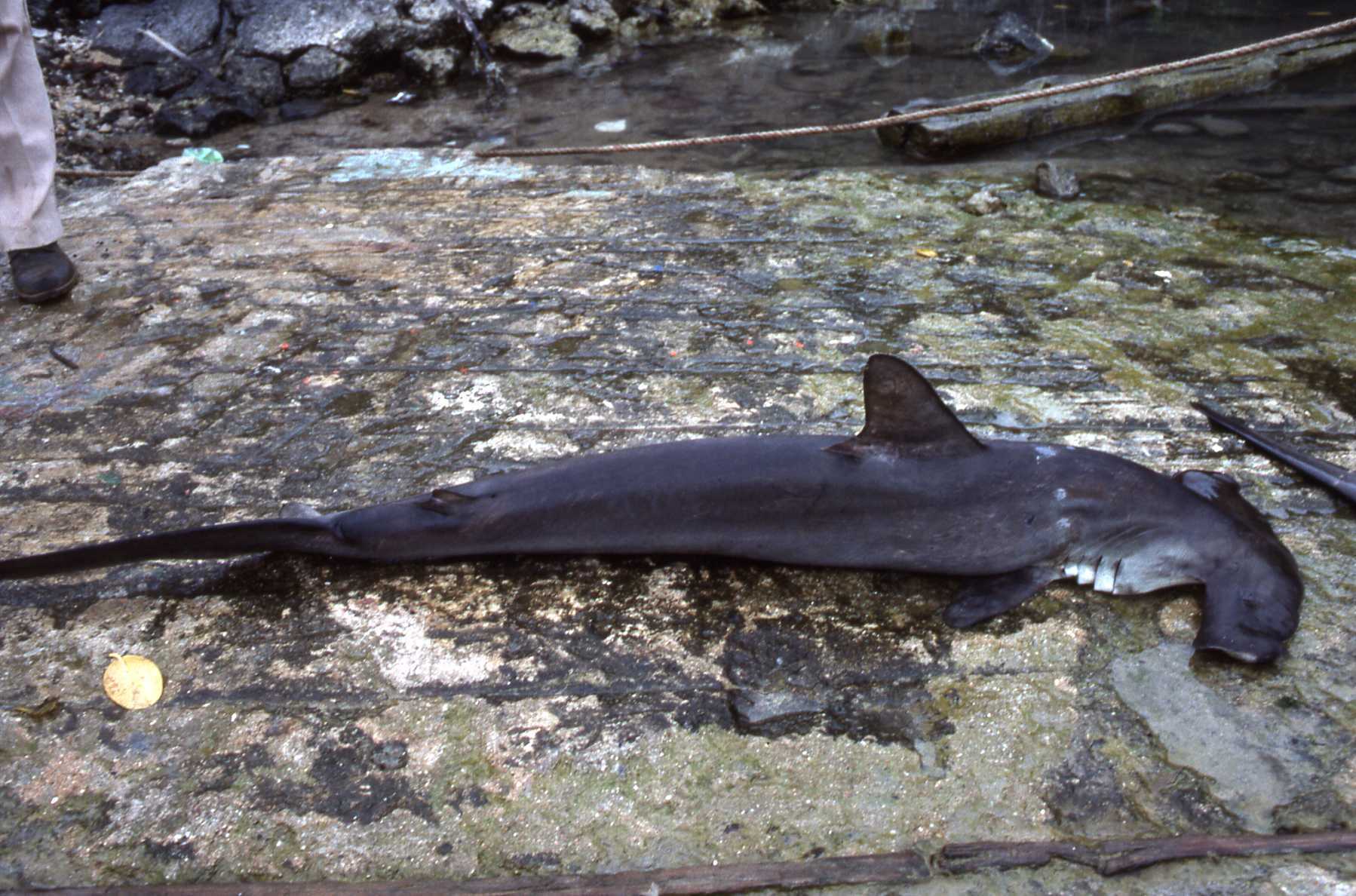
Image: iNaturalist.org (Simon Tonge) (Simon%20Tonge) / CC0
Scalloped Hammerhead (Sphyrna lewini)
The scalloped hammerhead is named for the broad, flattened "hammer" (cephalic) head, the front edge of which is curved with a central indentation and lateral scallops — a feature that separates it from the great and smoo