Blue Whale
Balaenoptera musculus
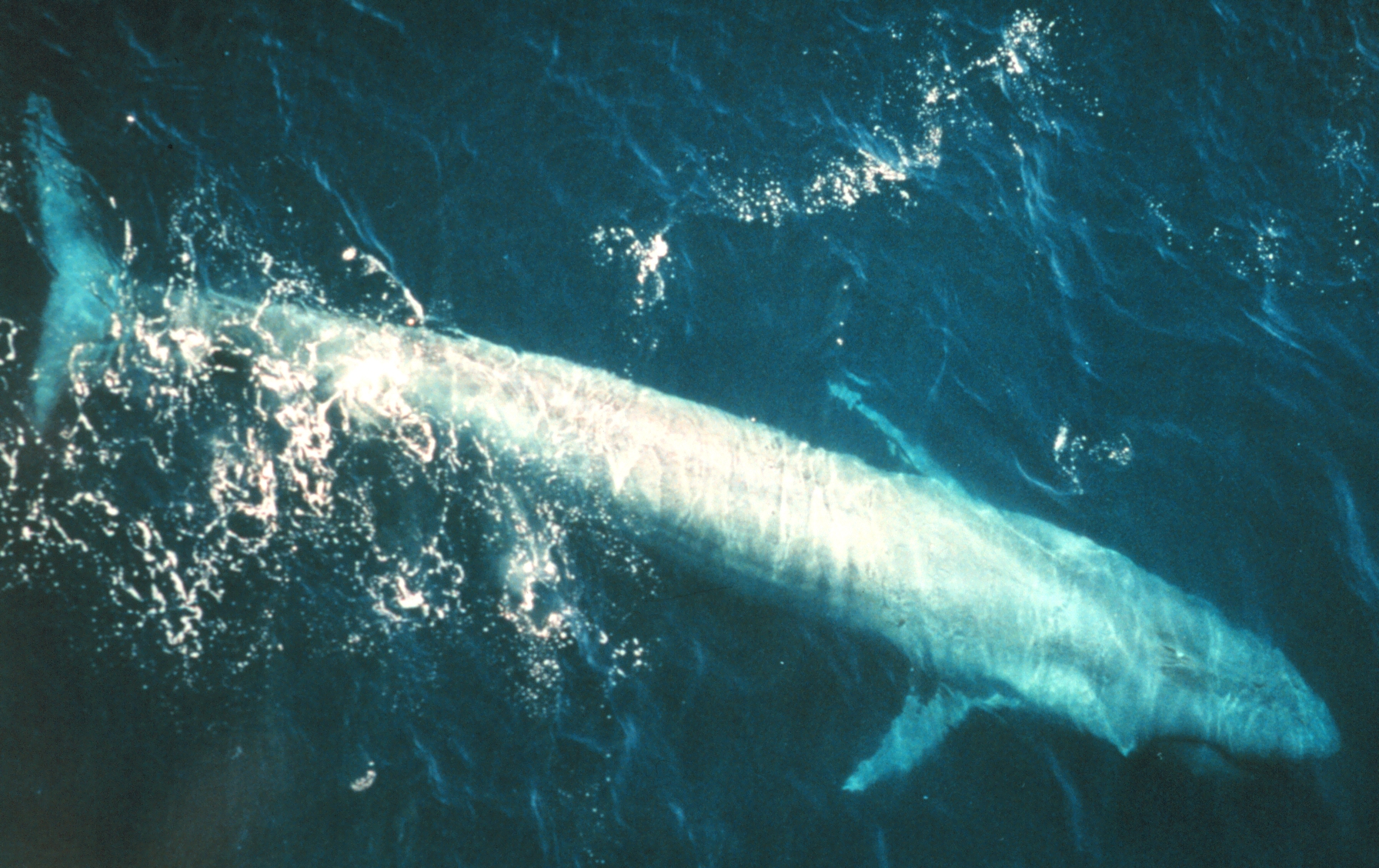
Adult blue whale (Balaenoptera musculus) from the eastern Pacific Ocean.
Generated educational art — not fossil evidence, identification media, or proof of soft-tissue color or behavior.
- Period
- Living
- Clade
- Balaenopteridae
- Length
- Up to ~90–110 ft (~27–33 m)
- Mass
- Largest known animal
- Diet
- Filter feeder (krill)
- Locomotion
- Fluke-powered swimming
- Habitat
- All major ocean basins
- lifespan
- ~80–90 years (NOAA)
Compare mode
Side-by-side in the commons
Ecological analogy only — not kinship. Use body plan, size chips, and sources on each page before drawing conclusions.
This entry
Blue Whale (Balaenoptera musculus)
- Period
- Living
- Clade
- Balaenopteridae
- Length
- Up to ~90–110 ft (~27–33 m)
- Mass
- Largest known animal
- Diet
- Filter feeder (krill)
- Locomotion
- Fluke-powered swimming
- Habitat
- All major ocean basins
- lifespan
- ~80–90 years (NOAA)
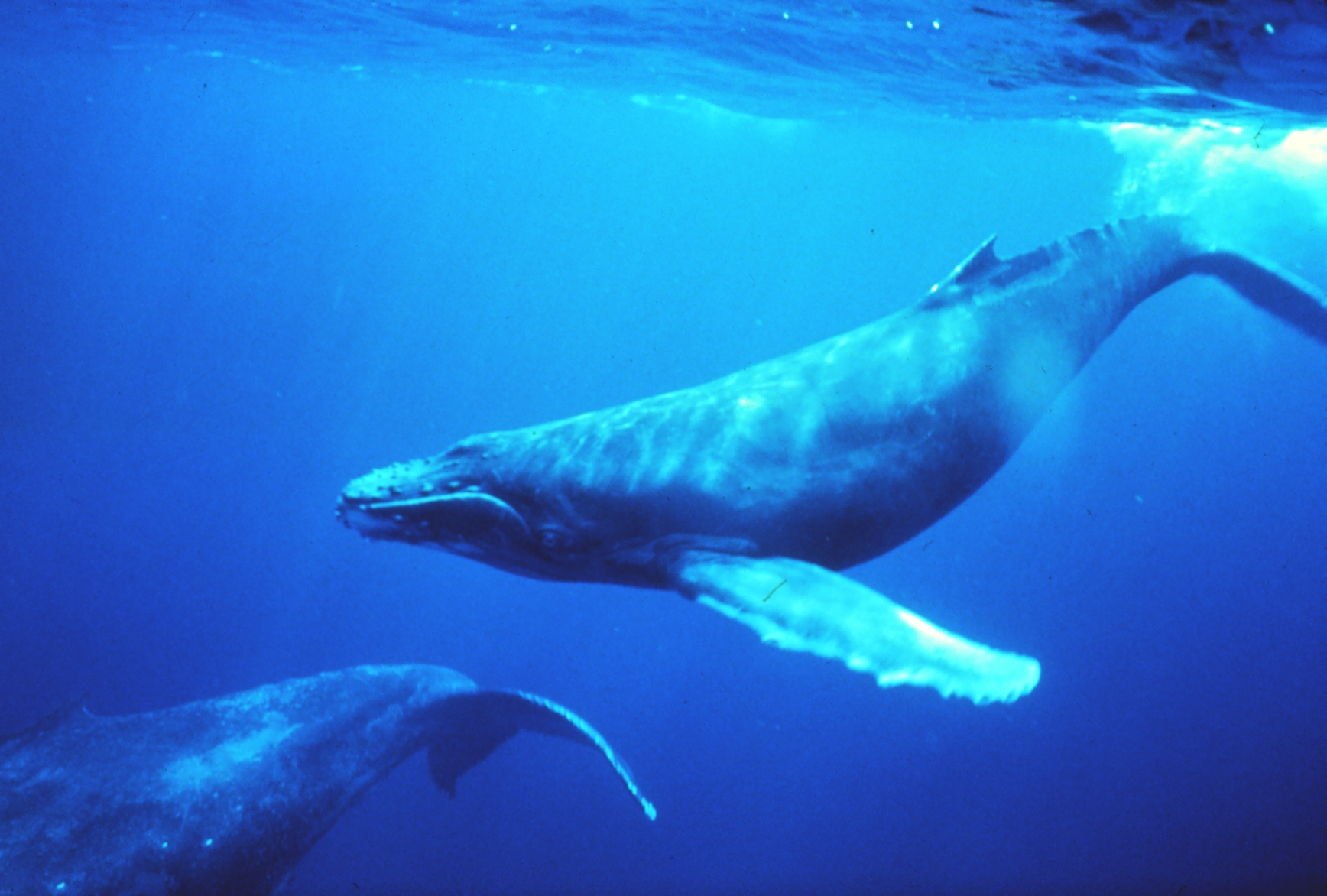
Fellow rorqual — longer flippers, more acrobatic surface behavior
Humpback Whale (Megaptera novaeangliae)
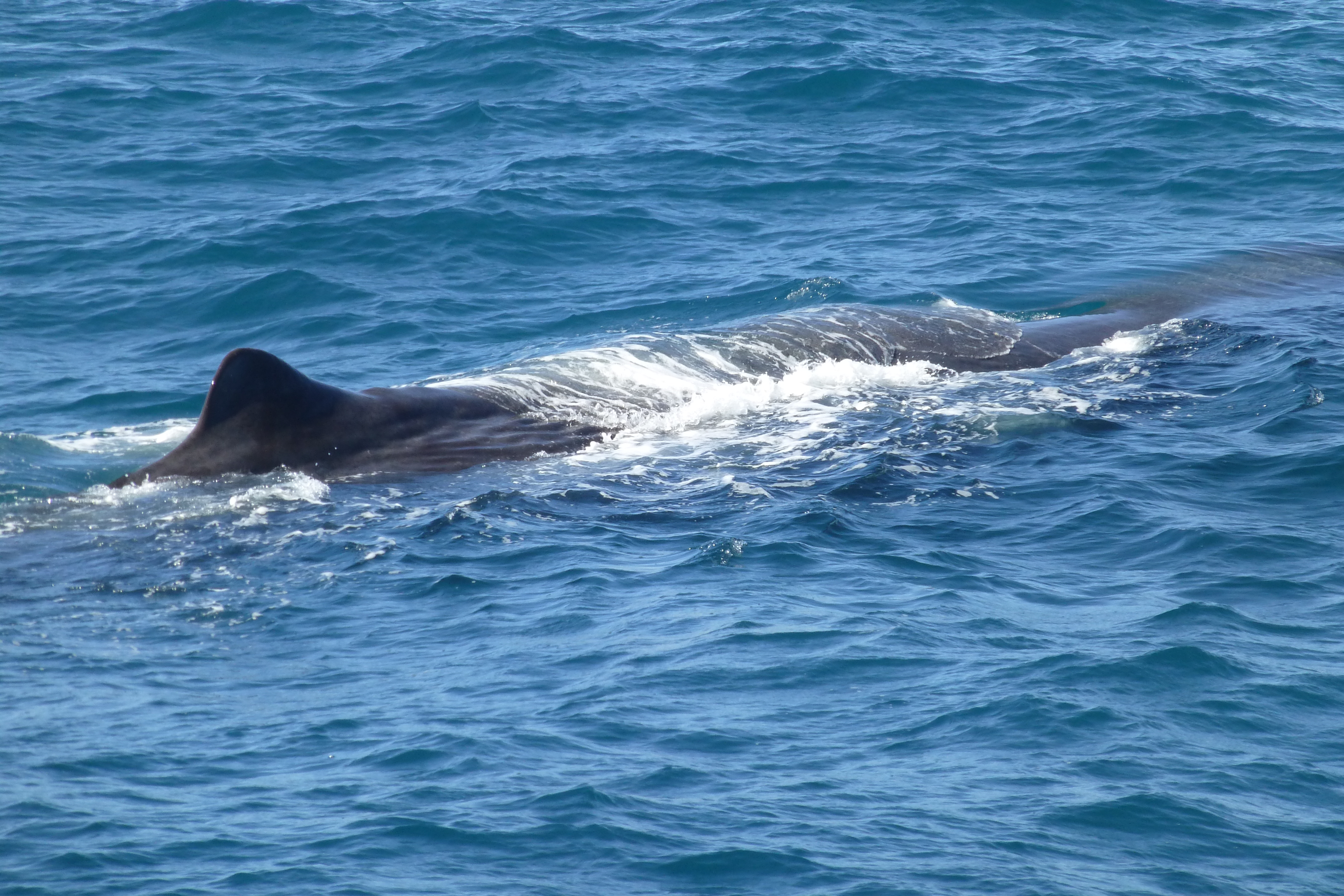
Deep-diving toothed whale contrast to filter-feeding blue whale
Sperm Whale (Physeter macrocephalus)
Living ocean apex predator contrast (different guild)
Great White Shark
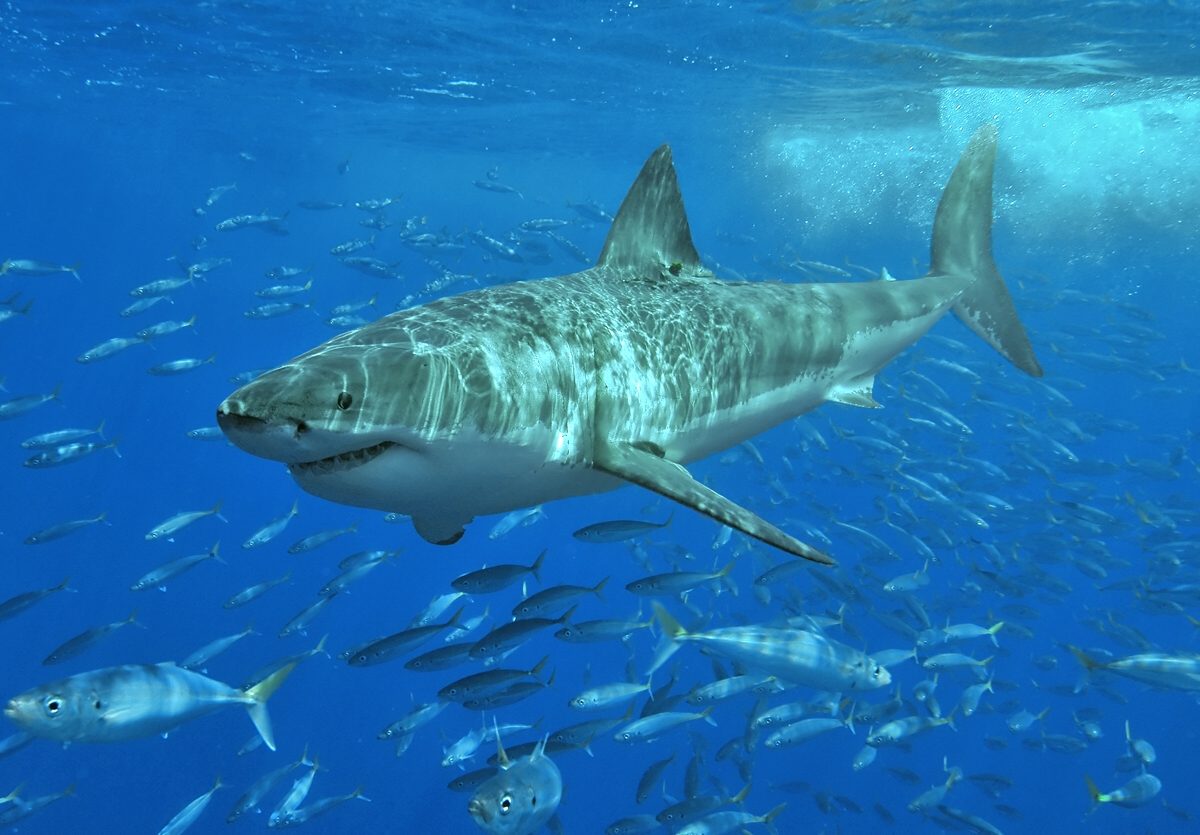
- Period
- Living
- Clade
- Lamnidae
- Length
- ~3.5–6+ m (adults)
- Diet
- Marine vertebrates (fish, marine mammals)
- Locomotion
- Sustained swimming predator
- Habitat
- Global temperate oceans
- Range
- Temperate coastal & offshore waters
Scale of ocean giants across deep time — not a dinosaur
Mosasaurus hoffmannii
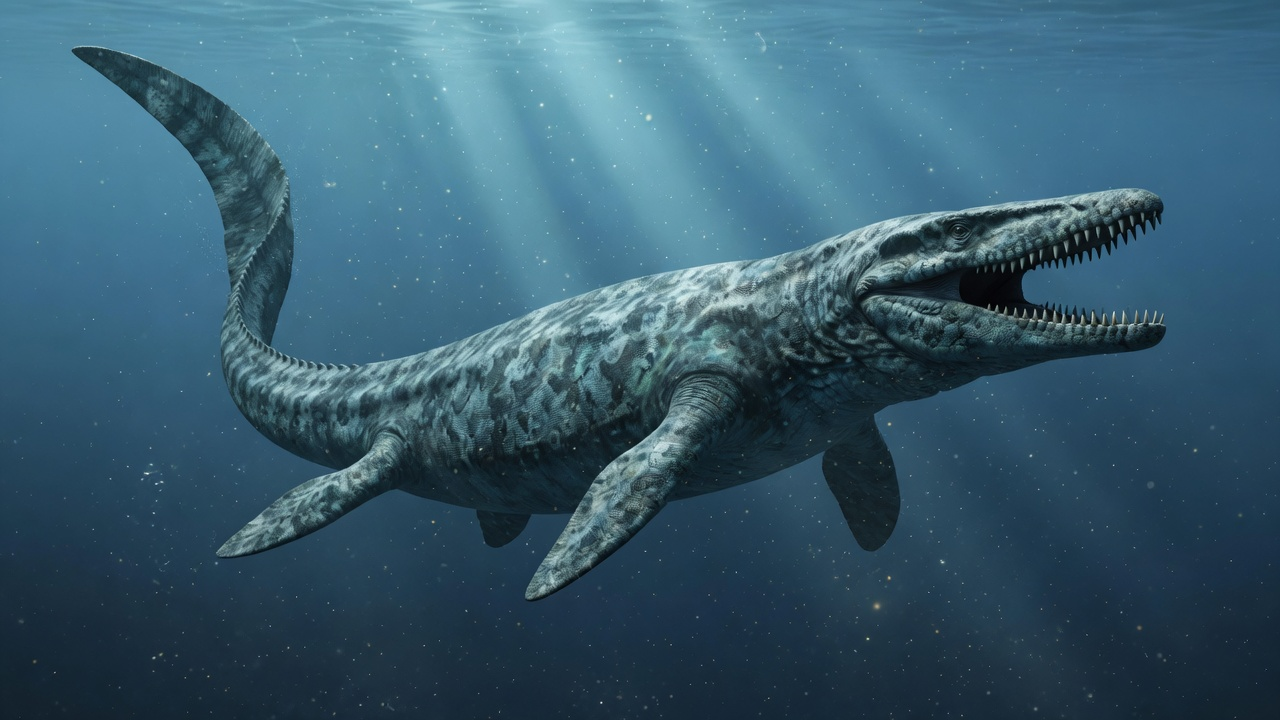
- Period
- Late Cretaceous (~70–66 Ma)
- Clade
- Mosasauridae
- Length
- ~10–17 m (literature ranges)
- Diet
- Apex marine predator
- Locomotion
- Tail-powered swimming
- Habitat
- Open / epicontinental seas
Life gallery
Angles, life stages, and trusted video
Curated educational media for this species. Primary identification uses approved real photography when available. Generated concept panels teach scale and life history only — they are never field ID or conservation evidence. Videos open on institutional or educational hosts (link-out).

Adult blue whale at the surface — approved identity still (NOAA / Wikimedia public domain).

Body plan and proportion — read length, fluke shape, and far-back dorsal fin.

Tail fluke dive sequence — common field angle (caption stays regional; not a pin-drop map).

Second NOAA surface angle — mottled blue-grey skin and elongated body.
.jpg?width=1200)
Alternate crop of the NOAA Photo Library still — horizontal composition for teaching.
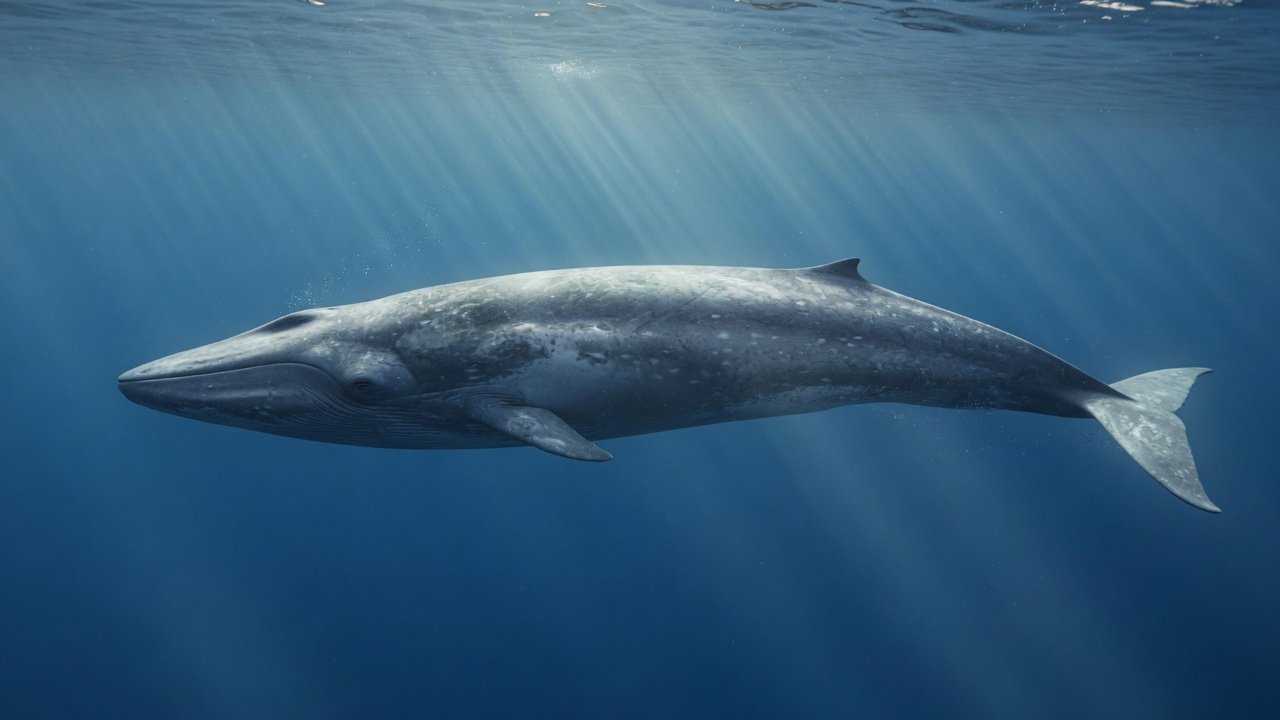
Underwater side profile concept — useful for silhouette study; not a field ID photo.
Generated educational reconstruction only; not identification media.
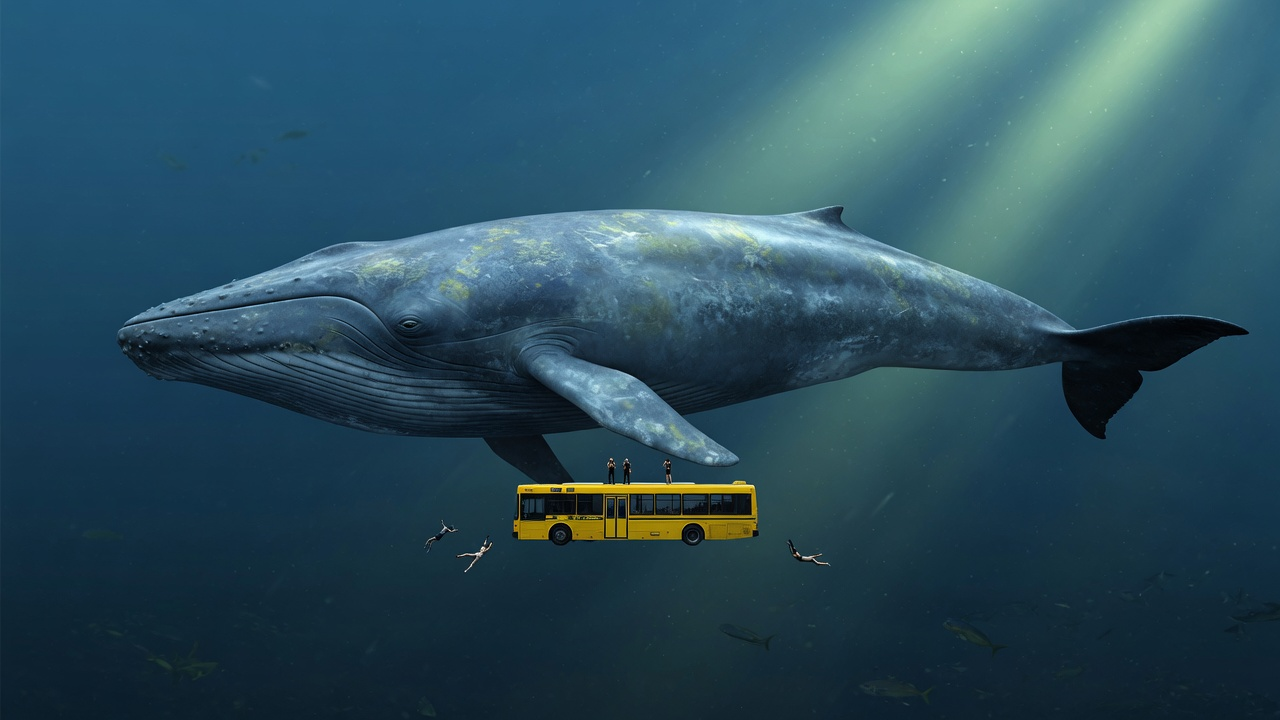
Scale concept — largest living animal; use NOAA prose for measured claims, not this illustration.
Generated educational concept only; not a measured field diagram or official size evidence.
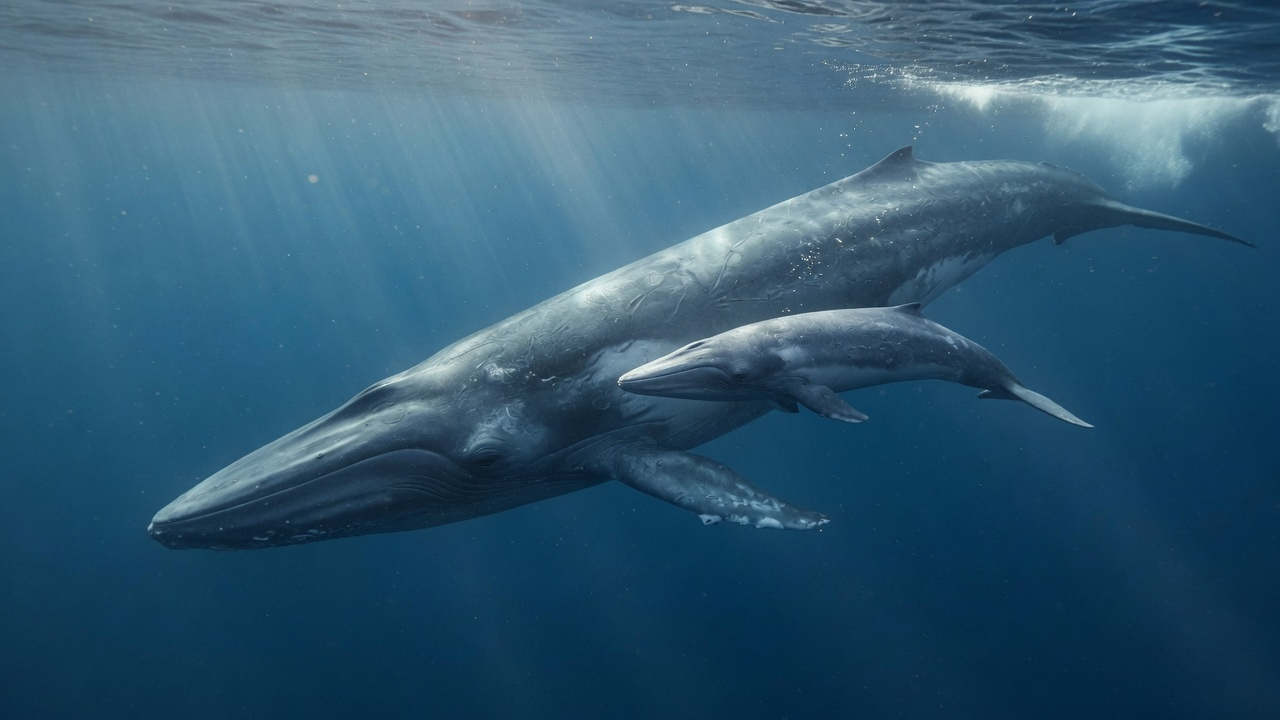
Life-stage concept (mother & calf) — educational reconstruction, not a wild ID photo.
Generated educational reconstruction only; not identification media or soft-tissue proof.
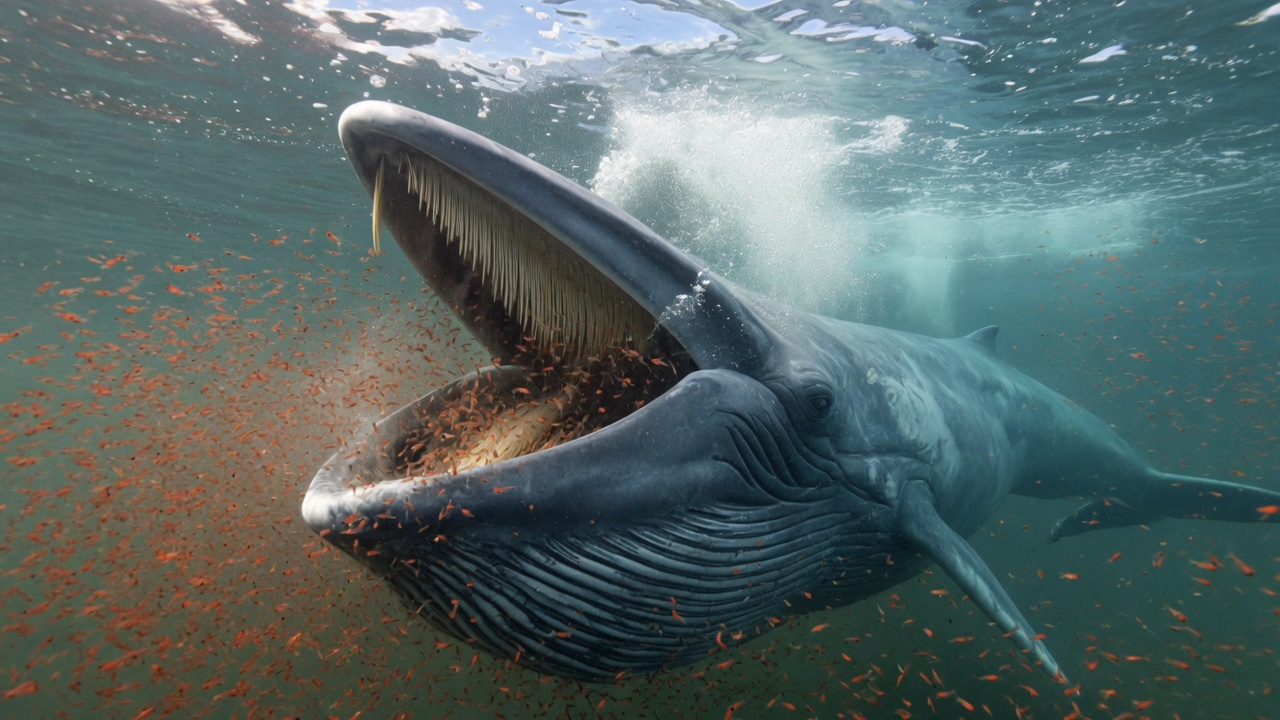
Lunge-feeding concept — baleen filter-feeding on krill; illustrative only.
Generated educational reconstruction only; not field footage or prey-quantity evidence.
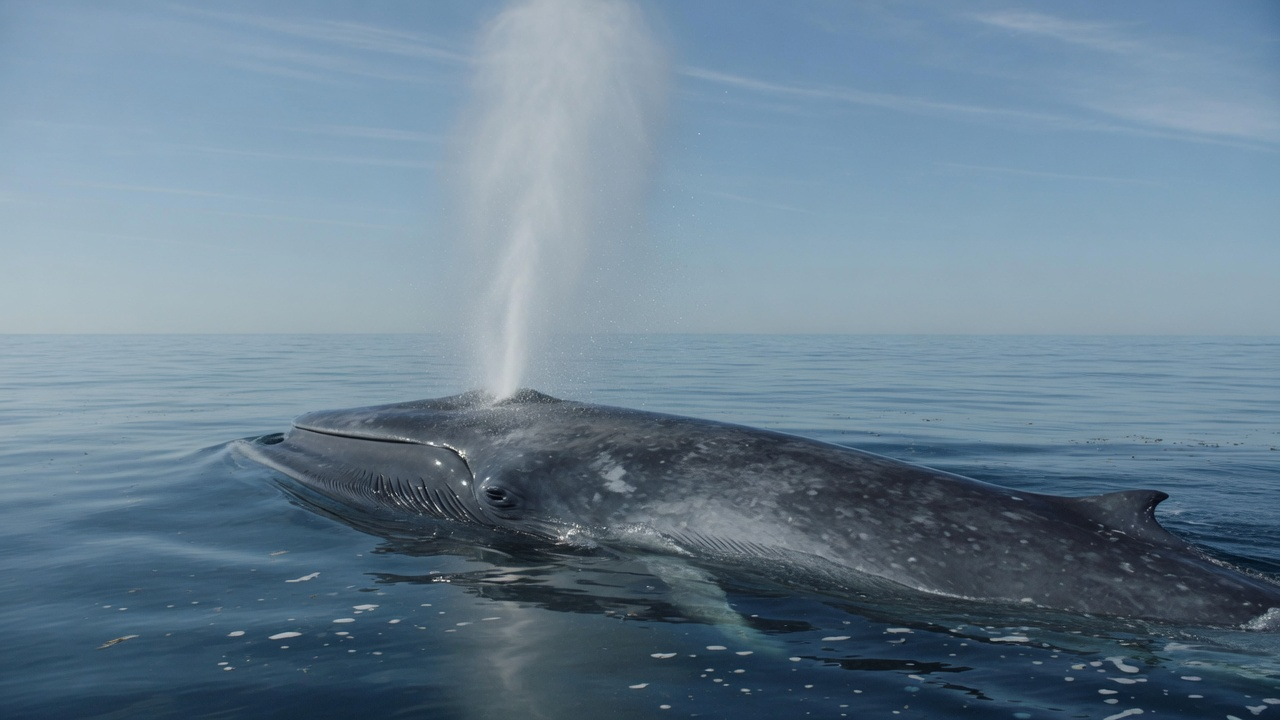
Columnar blow concept — tall spout is a classic surface cue described by NOAA.
Generated educational reconstruction only; not identification media.
Watch & learn
- NOAA Fisheriesstatus and biology
NOAA Fisheries — Blue Whale species profile
Official US overview of status, threats, size, diet, and lifespan. Primary text source for this page.
Link-out only; do not rehost NOAA site media without checking image/video terms.
Open external video → - NOAA Sanctuarieseducation video hub
NOAA National Marine Sanctuaries — whale education videos
Institutional video hub for whale education, tagging stories, and ship-strike context.
Link-out to NOAA educational host; reuse of individual clips still needs per-clip rights checks.
Open external video → - NOAA Fisheries Video Galleryfield behavior
NOAA Fisheries B-roll — Whales on the Pacific Coast
Government B-roll of gray, humpback, and blue whales along the Pacific coast for classroom/context use.
NOAA video gallery host; confirm download/embed terms per clip before rehosting.
Open external video → - NOAA Sanctuariesconservation threats
Channel Islands — preventing ship strikes (sanctuary education)
Education path into vessel-strike risk near productive blue whale habitat (regional, not a pin-drop map).
Link-out; keep location language regional per ETHICS.md.
Open external video →
Blue Whale (Balaenoptera musculus)
Status: needs expert review. Conservation claims cite the IUCN Red List (assessed 2018) and NOAA Fisheries; a science reviewer should confirm the assessment is current and verify subspecies details before approval. The blue whale (Balaenoptera musculus) is the largest animal known to have lived, a filter-feeding baleen whale found in all major oceans.
At a glance
| Field | Value | Source |
|---|---|---|
| Scientific name | Balaenoptera musculus | WoRMS / authority |
| Guild | cetacean (baleen whale / rorqual) | — |
| IUCN status | Endangered (assessed 2018), population trend increasing | IUCN Red List |
| US ESA status | Endangered throughout its range; MMPA depleted | NOAA Fisheries |
| International trade | CITES Appendix I | CITES |
| Length (agency summary) | Up to about 90 ft in North Atlantic/North Pacific; up to about 110 ft in the Antarctic | NOAA Fisheries |
| Mass (agency summary) | Over 100,000 lb (N Atlantic/N Pacific summary); Antarctic individuals may exceed 330,000 lb | NOAA Fisheries |
| Lifespan | Estimated around 80–90 years | NOAA Fisheries |
| Diet | Primarily krill; occasional fish and copepods noted | NOAA Fisheries |
| Range | All major ocean basins | IUCN Red List / NOAA Fisheries |
Identification
A very large, slender baleen whale (rorqual). NOAA Fisheries describes animals that can reach roughly 110 feet (about 33 m) in the Antarctic, with a long mottled blue-grey body, a small dorsal fin set far back, and a broad flat head. The blow is tall and columnar — a key surface cue for learners (see the Life gallery blow concept and real NOAA stills).
Several subspecies are recognised, including the Antarctic blue whale and the smaller pygmy blue whale; subspecies identification should be confirmed in science review and is not decided by this page.
How to use the Life gallery for identification practice
- Start with approved real photos (NOAA / Wikimedia public domain): adult surface, body plan, fluke.
- Use concept panels only for teaching scale, feeding, mother–calf life stage, and silhouette — never as field evidence.
- Play the muted cinematic loop for calm underwater motion; it is generated concept media, not research footage.
Size and superlatives (sourced)
NOAA Fisheries states that blue whales are not only the largest of the rorquals, but the largest animals ever known to live on Earth. Agency quick facts used on this page:
- North Atlantic / North Pacific: up to about 90 feet and over 100,000 pounds.
- Antarctic: up to about 110 feet and more than 330,000 pounds.
Treat the gallery scale concept (bus metaphor) as a teaching illustration only. Measured claims stay with NOAA / IUCN citations.
Ecology, diet, and behavior
Blue whales feed primarily on krill, straining huge volumes of water through baleen plates. NOAA Fisheries notes that some of the biggest individuals may eat up to 6 tons of krill a day, and that fish and copepods may also appear in the diet. Feeding is often described as lunge-feeding — the Life gallery includes a labeled concept reconstruction of that behavior (not field video).
They undertake seasonal movements between feeding and breeding areas. NOAA Fisheries estimates average lifespan around 80–90 years, with age sometimes estimated from earplug layers in deceased animals. Behavioral detail beyond agency summaries should be cited to published research in expert review.
Life stages (education notes)
| Stage | What learners should take away | Media |
|---|---|---|
| Adult | Largest living animal; mottled blue-grey; small far-back dorsal; tall columnar blow | Real NOAA stills + side-profile concept + blow concept |
| Mother & calf | Calves accompany nursing mothers after birth; exact weaning/growth numbers need peer-reviewed or agency sources before promotion | Mother–calf concept only (open rights calf photos are sparse) |
| Migration | Links productive feeding regions with lower-latitude breeding areas | Keep maps regional (ETHICS.md); no precise aggregation pins |
For motion and real-world B-roll, open the Watch & learn cards (NOAA Fisheries + Sanctuaries) rather than rehosting commercial documentaries.
Conservation status and threats
Commercial whaling in the 19th and 20th centuries reduced blue whales to a small fraction of their former abundance. The IUCN Red List assesses the species as Endangered (assessed 2018) with an increasing population trend — recovery is underway but the species remains far below historical numbers, and the IUCN notes it is among the cetaceans recovering from highly depleted states. It is listed on CITES Appendix I and, in US waters, as Endangered under the Endangered Species Act and depleted under the Marine Mammal Protection Act (NOAA Fisheries).
NOAA Fisheries identifies leading threats as:
- vessel strikes
- entanglement in fishing gear
- ocean noise
- habitat degradation
- pollution
- climate change
Report figures as the cited authorities state them; a reviewer should confirm subspecies-level detail and assessment currency.
How to observe responsibly
Whale watching is widespread and often regulated. NOAA Fisheries advises viewers to maintain a minimum distance of at least 100 yards (about 91 m) from whales and limit observation to 30 minutes or less; follow the reviewed observation guide and your region's marine-mammal viewing rules, which may set stricter distances. If an animal changes its behavior because of your presence, you are too close — withdraw. This page keeps to regional granularity (ETHICS.md) and does not publish precise locations.
How you can help
- Log sightings to a recognized citizen-science platform (see the iNaturalist dataset card).
- Support vessel-strike-reduction and quieter-shipping initiatives through credible organizations such as Whale and Dolphin Conservation.
- Report dead, injured, or entangled whales to your regional marine-mammal stranding network.
- Use this page’s gallery to teach identification and ethics — always separate real photos from concept art.
Learning path (students & educators)
- At a glance table → status + size + diet (agency sources).
- Life gallery real photos → surface, body plan, fluke.
- Concept panels → scale, feeding, mother–calf, blow (labeled).
- Hero cinematic loop → calm underwater motion (generated; not evidence).
- Watch & learn → NOAA Fisheries profile + Sanctuaries video hub + Pacific B-roll.
- Compare → humpback, sperm whale, great white, Deep Time Mosasaurus (body-plan / scale analogies only).
- Help actions → citizen science + stranding networks + ship-strike policy.
Media provenance (this page)
| Kind | Role | Rights |
|---|---|---|
| NOAA / Wikimedia stills | Identity + multi-angle education | Public domain (approved) |
| Generated stills | Scale, feeding, calf, blow, side profile | Concept reconstruction (CC-BY-4.0 site package) |
| Generated MP4 loop | Cinematic hero motion | Concept reconstruction |
| NOAA video pages | External educational video | Link-out only |
Generated media is never identification evidence, soft-tissue proof, or conservation proof.
Sources (4)
Every claim traces to one of the citations below. Anything that could not be sourced was left out.
- [1]Tier 1 · Peer-reviewedIUCN Red List — Balaenoptera musculus (Blue Whale)Accessed 2026-07-16
- [2]Tier 2 · InstitutionalNOAA Fisheries — Blue WhaleAccessed 2026-07-16
- [3]Tier 2 · InstitutionalCITES Appendices (Balaenoptera musculus listed Appendix I)Accessed 2026-07-16
- [4]Tier 2 · InstitutionalNOAA Office of National Marine Sanctuaries — Whale education videosAccessed 2026-07-16
Related in the commons
Azores, Portugal
The Azores are a Portuguese archipelago in the central North Atlantic, sitting atop the Mid Atlantic Ridge. The volcanic islands rise from a seafloor studded with seamounts, and the deep water close to shore makes the ar
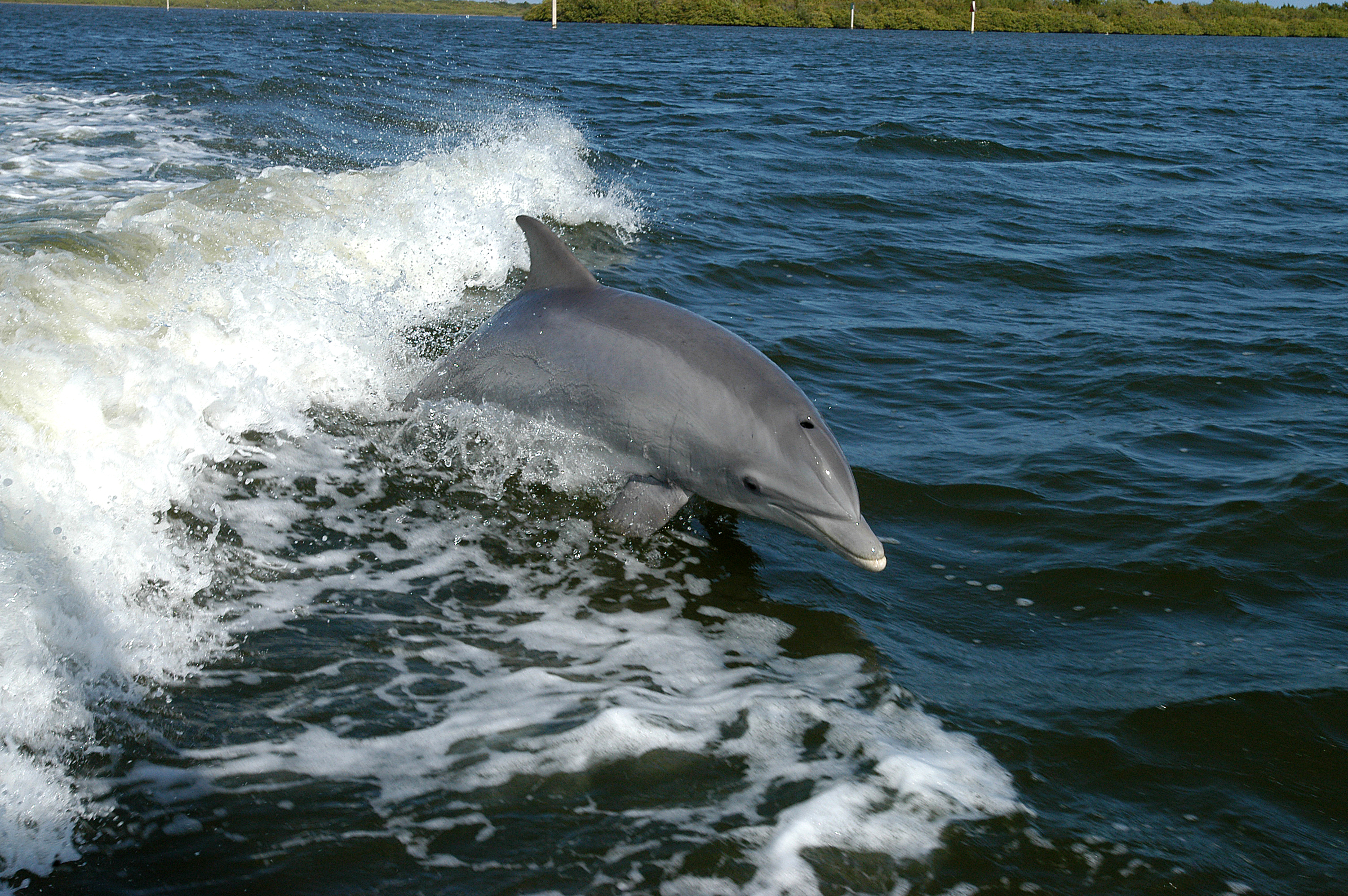
Image: NASA / Public domain
Common Bottlenose Dolphin (Tursiops truncatus)
A robust grey dolphin with a short, distinct beak and a curved (falcate) dorsal fin. NOAA Fisheries reports lengths of about 6 to 13 feet (roughly 2 to 4 m) and weights of about 300 to 1,400 pounds, with coastal and offs
Image: Dr. Louis M. Herman. / Public domain
Humpback Whale (Megaptera novaeangliae)
A large baleen whale with very long pectoral fins (up to roughly a third of body length), a knobbly head (tubercles), and a small dorsal fin on a humped back. Often identified individually by the unique pattern on the un
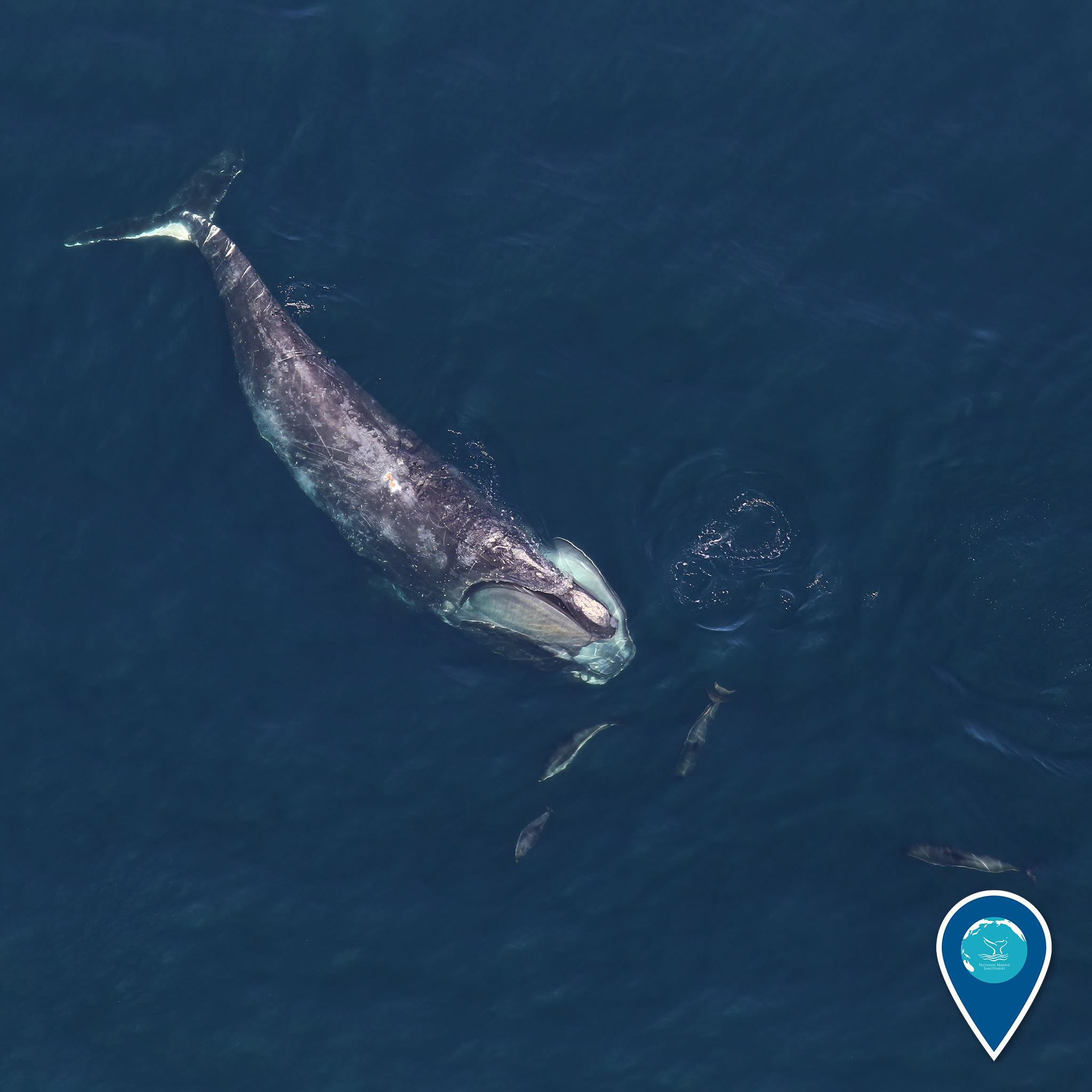
Image: NOAA Gray's Reef NMS / Public domain
North Atlantic Right Whale (Eubalaena glacialis)
A stocky black baleen whale with no dorsal fin, a broad back, and a strongly arched mouthline. The head bears rough patches of thickened skin (callosities) whose pattern is unique to each individual — the basis for photo