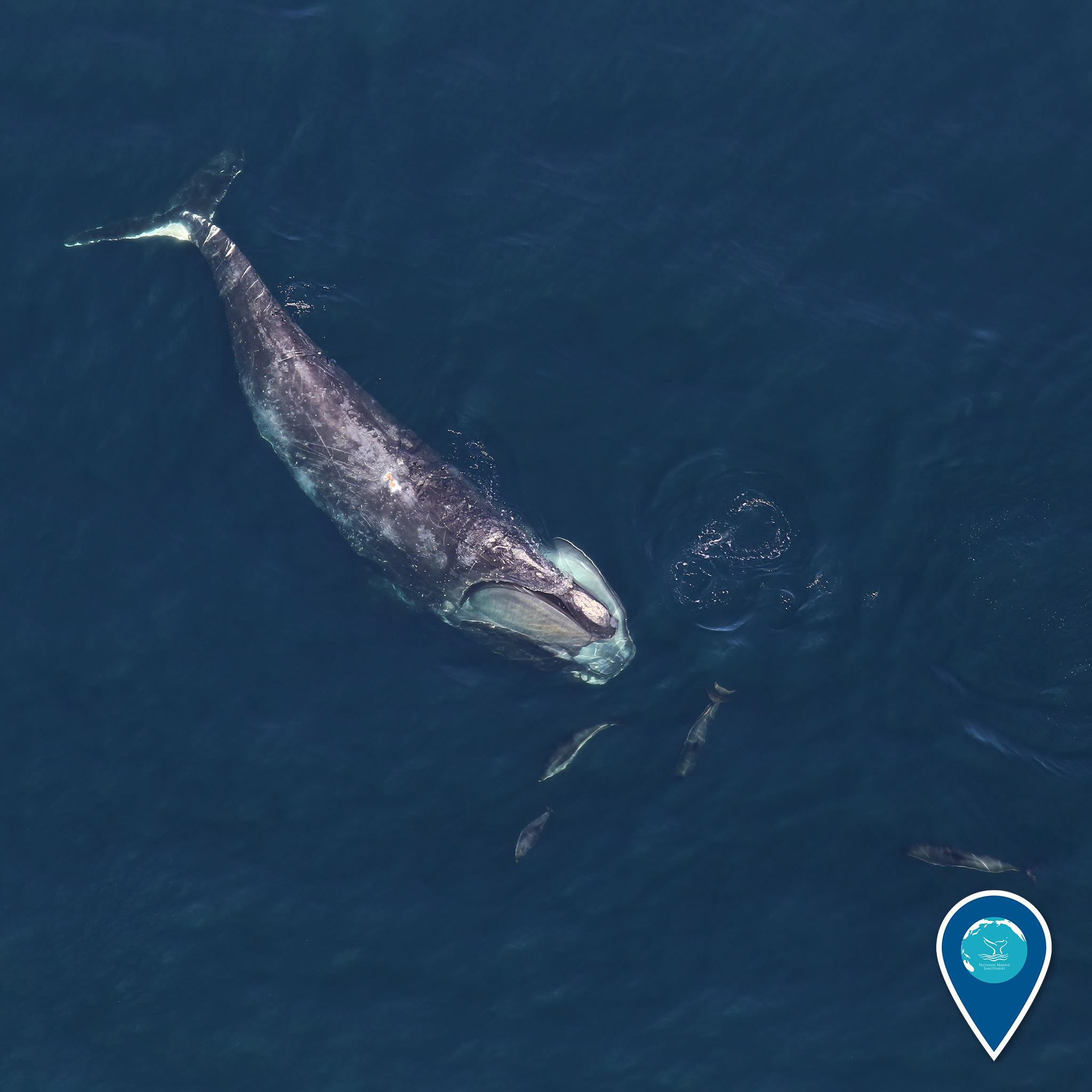
North Atlantic Right Whale
Eubalaena glacialis
North Atlantic right whale as part of NOAA's Earth Is Blue series.
- Status
- CR
- Guild
- cetaceans
- Reading level
- beginner
- Sources
- 3
North Atlantic Right Whale (Eubalaena glacialis)
Status: needs expert review. This is a Critically Endangered species; conservation and population claims cite the IUCN Red List (assessed 2020) and NOAA Fisheries, and a science reviewer should confirm the most current population estimate before approval, because the number changes year to year. The North Atlantic right whale (Eubalaena glacialis) is one of the most endangered large whales in the world.
At a glance
| Field | Value | Source |
|---|---|---|
| Scientific name | Eubalaena glacialis | WoRMS / authority |
| Guild | cetacean (baleen whale) | — |
| IUCN status | Critically Endangered (assessed 2020), population trend decreasing | IUCN Red List |
| US ESA status | Endangered throughout its range; MMPA protected and depleted | NOAA Fisheries |
| Population | Approximately 370-380 individuals (NOAA Fisheries, 2025); IUCN reports fewer than 250 mature individuals (end-2018) | NOAA Fisheries / IUCN Red List |
| International trade | CITES Appendix I | CITES |
| Range | Western North Atlantic, primarily off the eastern US and Canada | NOAA Fisheries / IUCN Red List |
Identification
A stocky black baleen whale with no dorsal fin, a broad back, and a strongly arched mouthline. The head bears rough patches of thickened skin (callosities) whose pattern is unique to each individual — the basis for photo-ID. NOAA Fisheries reports lengths up to about 52 feet (roughly 16 m). Right whales blow a distinctive V-shaped spout.
Ecology and behavior
Right whales feed by skimming dense patches of small copepods and other zooplankton. They migrate seasonally along the eastern seaboard of North America between feeding areas and calving areas. NOAA Fisheries gives a potential lifespan of up to about 70 years, while noting that current lifespans are reduced by human-caused mortality. Behavioral specifics should be cited to published research and confirmed in review.
Conservation status and threats
The IUCN Red List assesses Eubalaena glacialis as Critically Endangered (assessed 2020) with a decreasing trend; the assessment reports fewer than 250 mature individuals and a population declining over the 2011-2020 period, driven primarily by increased human-caused mortality. NOAA Fisheries identifies the leading threats as entanglement in fishing gear and vessel strikes, alongside ocean noise, habitat degradation, changing prey distribution under changing environmental conditions, and the inherent vulnerability of a very small population. The species is listed Endangered under the US Endangered Species Act, protected and depleted under the Marine Mammal Protection Act, and on CITES Appendix I. Because so few animals remain, even small numbers of additional deaths threaten the population's survival. Report population figures as the cited authorities state them and confirm the latest estimate in review — the number is updated regularly.
How to observe responsibly
North Atlantic right whales carry the strictest US viewing rule of any whale here. NOAA Fisheries regulations prohibit approaching or remaining within 500 yards (1,500 feet) of a right whale by vessel, aircraft, or any other means — far greater than the 100-yard guidance for other whales — and any vessel that finds itself within 500 yards must depart immediately at a safe, slow speed. This is federal law, not guidance. Vessel-speed rules also apply in designated areas to reduce strike risk. Do not pursue, and report sightings to the responsible authority rather than approaching. This page keeps to regional granularity (ETHICS.md) and does not publish calving-ground or aggregation coordinates.
How you can help
- Report any right whale sighting to your regional whale-sighting hotline or stranding network — sightings inform vessel-speed and fishery management.
- Support entanglement-response, ropeless/on-demand fishing-gear, and vessel-strike-reduction programs through credible organizations such as Whale and Dolphin Conservation.
- Log other marine-life sightings to a recognized citizen-science platform (see the iNaturalist dataset card).
Sources (3)
Every claim traces to one of the citations below. Anything that could not be sourced was left out.
Related in the commons
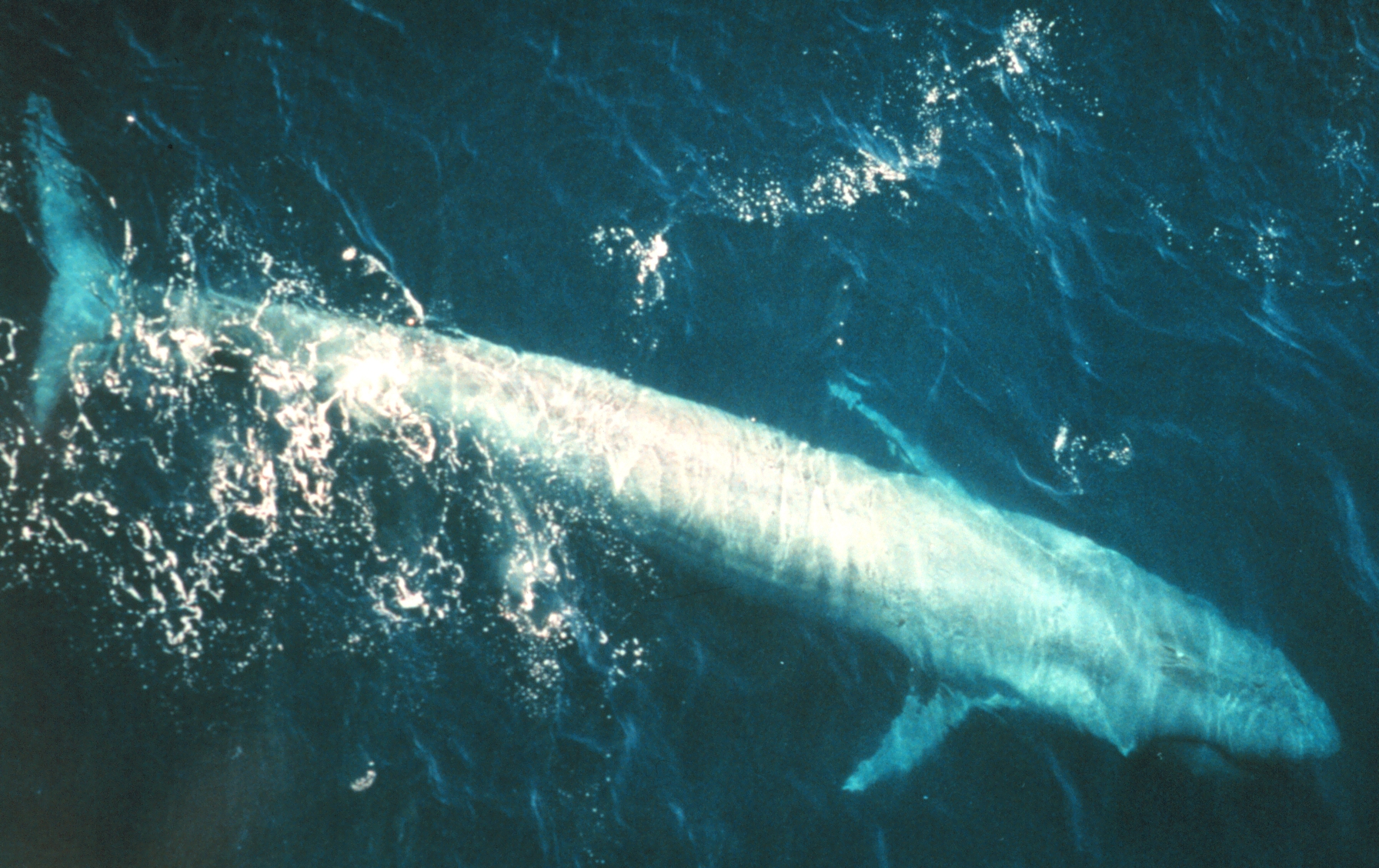
Image: NMFS Northeast Fisheries Science Center (NOAA) / Public domain
Blue Whale (Balaenoptera musculus)
A very large, slender baleen whale (rorqual). NOAA Fisheries describes animals that can reach roughly 110 feet (about 33 m) in the Antarctic, with a long mottled blue grey body, a small dorsal fin set far back, and a bro
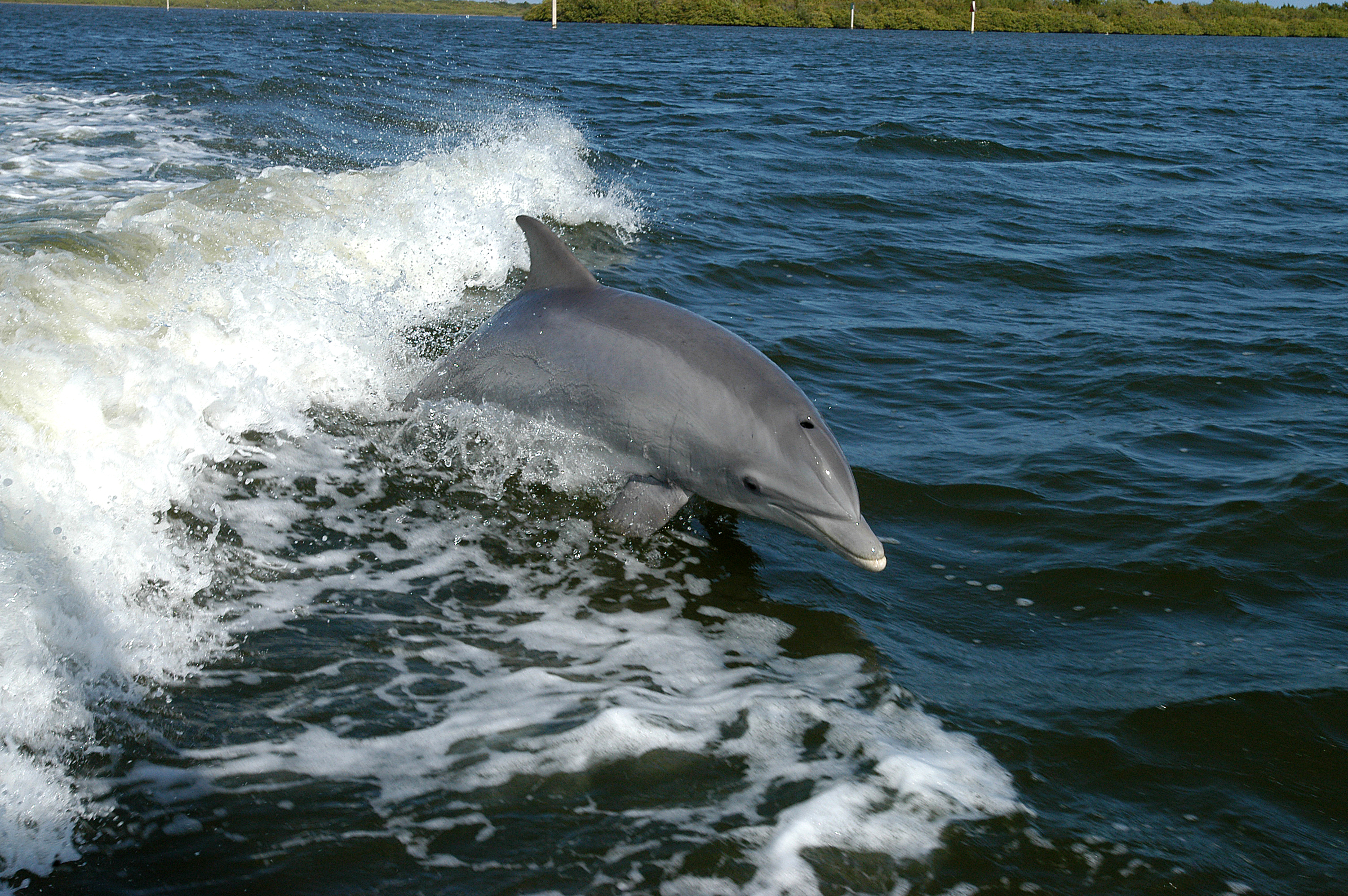
Image: NASA / Public domain
Common Bottlenose Dolphin (Tursiops truncatus)
A robust grey dolphin with a short, distinct beak and a curved (falcate) dorsal fin. NOAA Fisheries reports lengths of about 6 to 13 feet (roughly 2 to 4 m) and weights of about 300 to 1,400 pounds, with coastal and offs
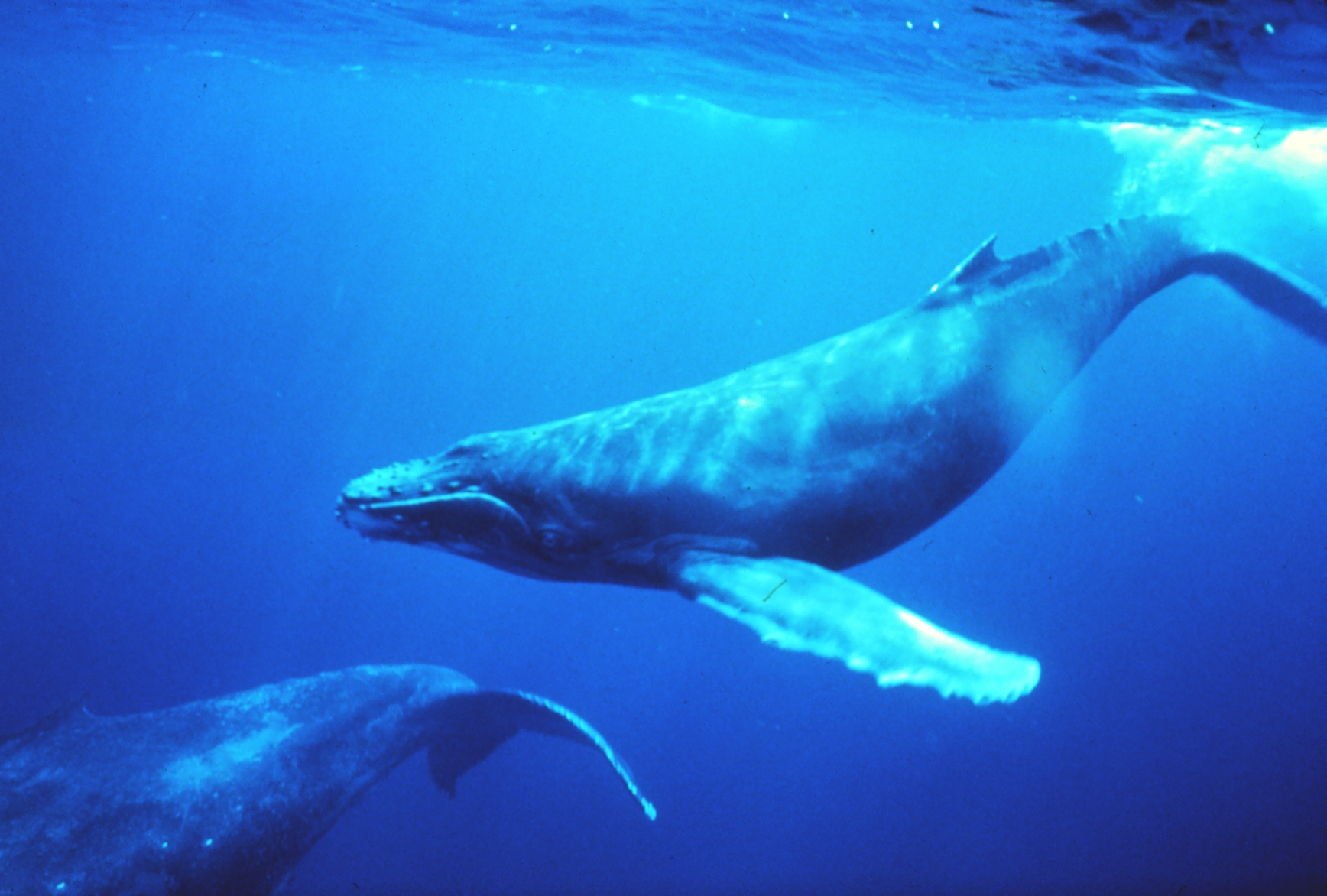
Image: Dr. Louis M. Herman. / Public domain
Humpback Whale (Megaptera novaeangliae)
A large baleen whale with very long pectoral fins (up to roughly a third of body length), a knobbly head (tubercles), and a small dorsal fin on a humped back. Often identified individually by the unique pattern on the un
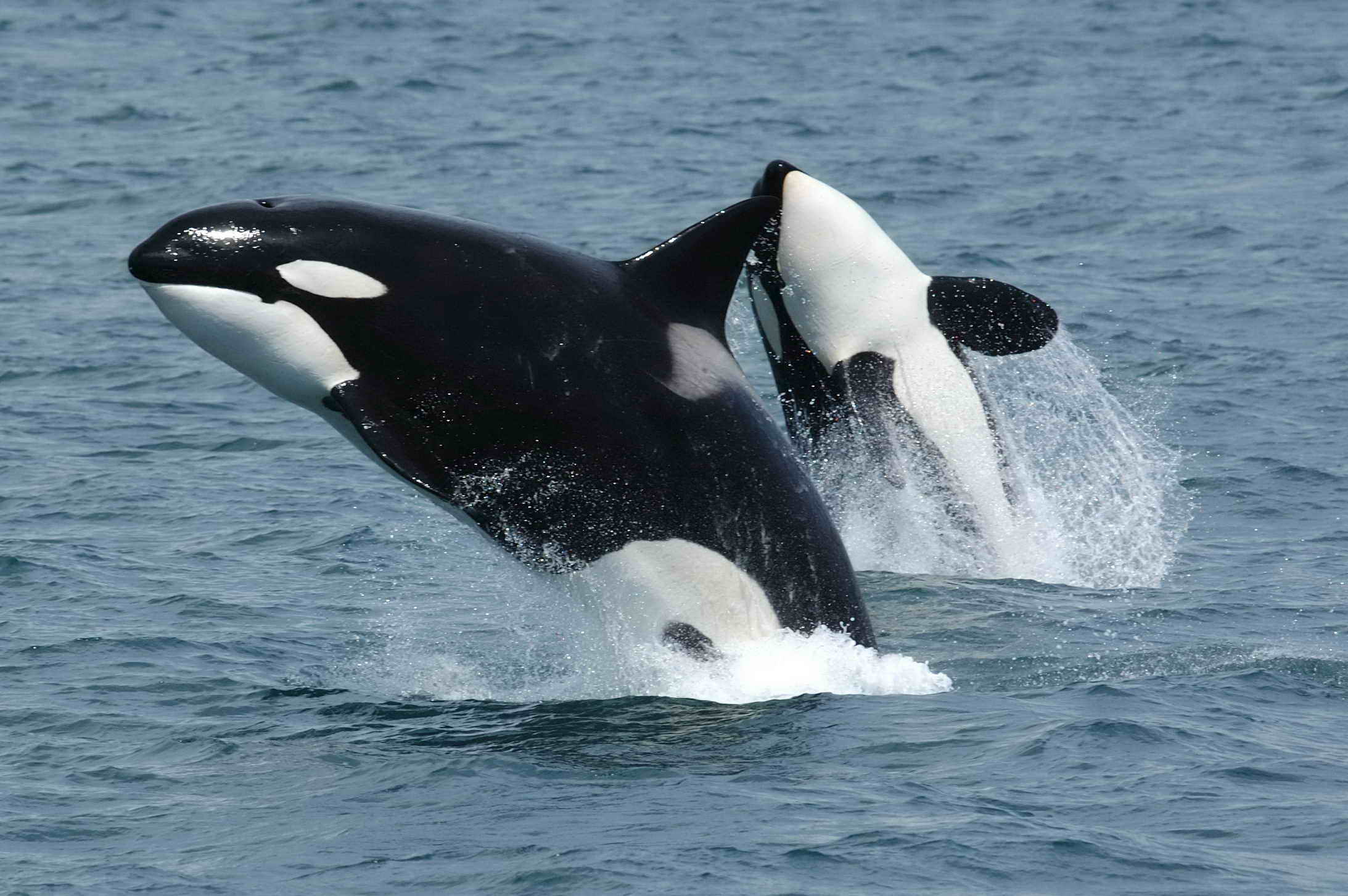
Image: Robert Pittman / Public domain
Orca (Orcinus orca)
A large black and white toothed cetacean. NOAA Fisheries reports lengths up to about 32 feet (roughly 10 m) and weights up to about 11 tons. Distinctive features include the tall dorsal fin (taller and straighter in adul