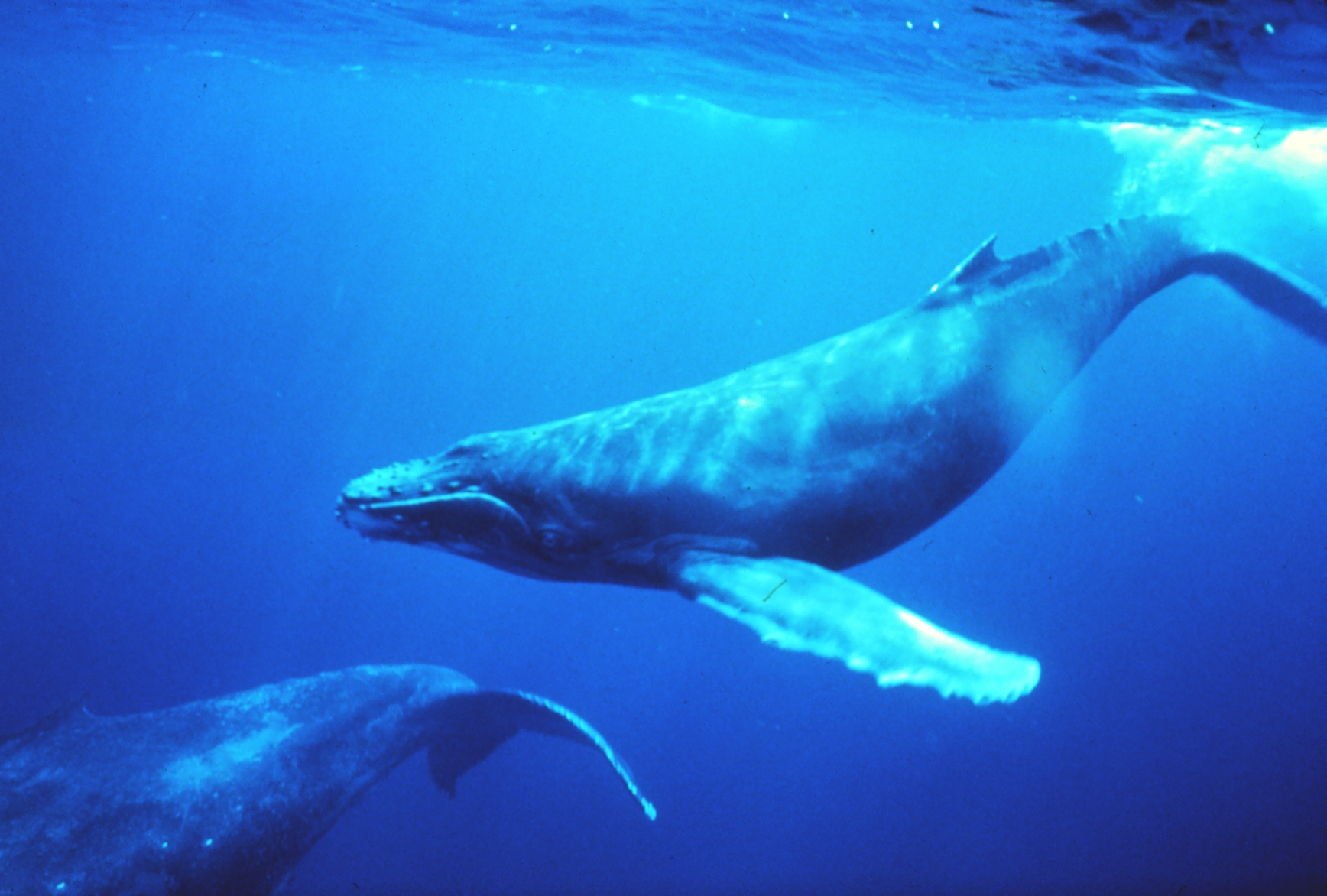
Humpback Whale
Megaptera novaeangliae
Humpback whales in the singing position. Humpback Whale NMS.
- Guild
- cetaceans
- Reading level
- beginner
- Sources
- 3
Humpback Whale (Megaptera novaeangliae)
Status: needs expert review. Conservation claims cite the IUCN Red List and CITES; a science reviewer should confirm the assessment is current and verify subpopulation details before approval. The humpback whale (Megaptera novaeangliae) is a large baleen whale famous for its long pectoral fins, breaching, and complex song.
At a glance
| Field | Value | Source |
|---|---|---|
| Scientific name | Megaptera novaeangliae | WoRMS / authority |
| Guild | cetacean (baleen whale) | — |
| IUCN status | Least Concern (recovered from Vulnerable), but two subpopulations remain Endangered | IUCN |
| Population trend | Increasing in much of its range | IUCN Red List |
| International trade | CITES Appendix I | CITES |
| Range | All major ocean basins; long seasonal migrations | IUCN Red List |
Identification
A large baleen whale with very long pectoral fins (up to roughly a third of body length), a knobbly head (tubercles), and a small dorsal fin on a humped back. Often identified individually by the unique pattern on the underside of the tail fluke — the basis for photo-ID citizen science.
Ecology and behavior
Humpbacks filter-feed on krill and small fish, often using cooperative bubble-net feeding. They undertake some of the longest migrations of any mammal, between high-latitude feeding grounds and low-latitude breeding grounds. Males produce long, structured songs. Behavioral specifics should be cited to published research and confirmed in review.
Conservation status and threats
After severe depletion by commercial whaling, humpback whales have recovered across much of their range and were reassessed by the IUCN as Least Concern, with an increasing trend — a notable conservation success attributed largely to protection from commercial hunting. However, two subpopulations remain Endangered, and the species is listed on CITES Appendix I. Ongoing threats include entanglement in fishing gear, vessel strikes, underwater noise, and habitat change. Report figures as the cited authorities state them; a reviewer should confirm subpopulation specifics.
How to observe responsibly
Whale watching is widespread and often regulated. This page does not provide approach guidance — follow the reviewed observation guide and your region's marine-mammal viewing rules, which set minimum approach distances and disengagement rules. For example, in Western Australia (Ningaloo) humpback interactions are managed by DBCA; see the Ningaloo region briefing. If animals change behavior because of your presence, you are too close — withdraw.
How you can help
- Contribute tail-fluke photos to recognized humpback photo-ID catalogs.
- Log sightings to a recognized citizen-science platform (see the iNaturalist dataset card).
- Support entanglement-response and vessel-strike-reduction programs through credible organizations such as Whale and Dolphin Conservation.
Sources (3)
Every claim traces to one of the citations below. Anything that could not be sourced was left out.
Related in the commons
Antarctic Peninsula, Southern Ocean
The Antarctic Peninsula is the northernmost reach of the Antarctic continent, extending toward South America and bordered by some of the most biologically productive waters in the Southern Ocean. It is also one of the fa
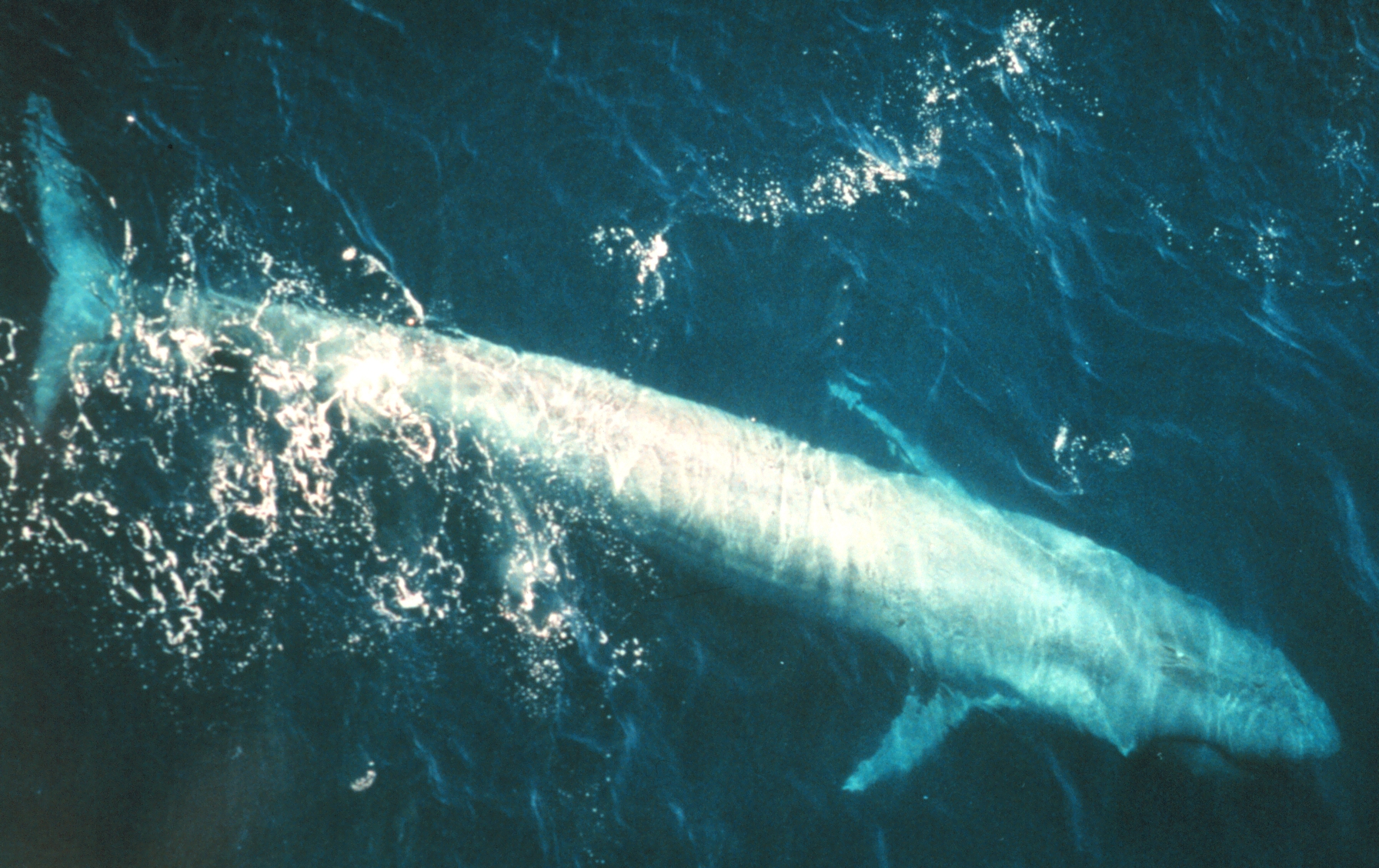
Image: NMFS Northeast Fisheries Science Center (NOAA) / Public domain
Blue Whale (Balaenoptera musculus)
A very large, slender baleen whale (rorqual). NOAA Fisheries describes animals that can reach roughly 110 feet (about 33 m) in the Antarctic, with a long mottled blue grey body, a small dorsal fin set far back, and a bro
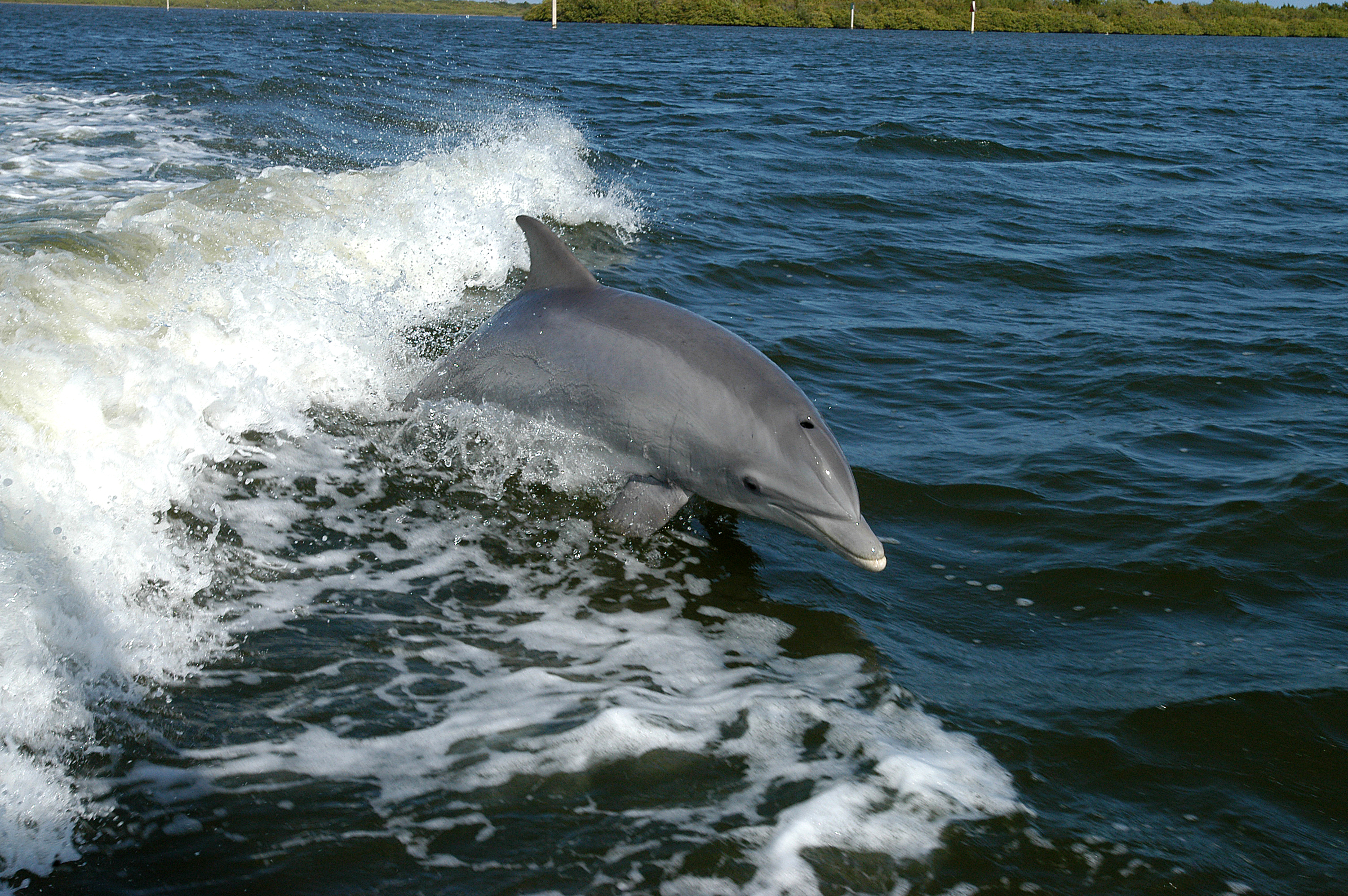
Image: NASA / Public domain
Common Bottlenose Dolphin (Tursiops truncatus)
A robust grey dolphin with a short, distinct beak and a curved (falcate) dorsal fin. NOAA Fisheries reports lengths of about 6 to 13 feet (roughly 2 to 4 m) and weights of about 300 to 1,400 pounds, with coastal and offs
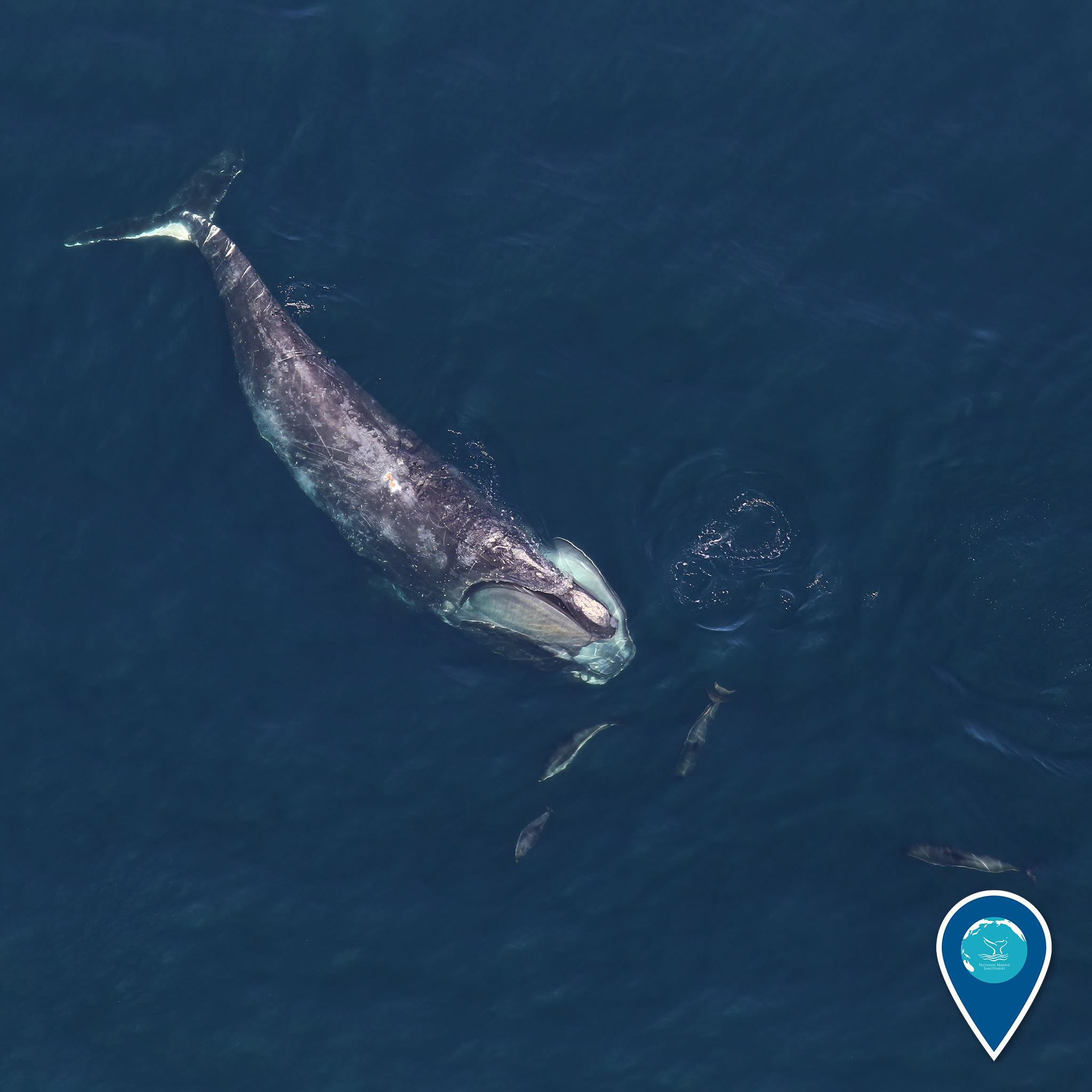
Image: NOAA Gray's Reef NMS / Public domain
North Atlantic Right Whale (Eubalaena glacialis)
A stocky black baleen whale with no dorsal fin, a broad back, and a strongly arched mouthline. The head bears rough patches of thickened skin (callosities) whose pattern is unique to each individual — the basis for photo