Orca
Orcinus orca
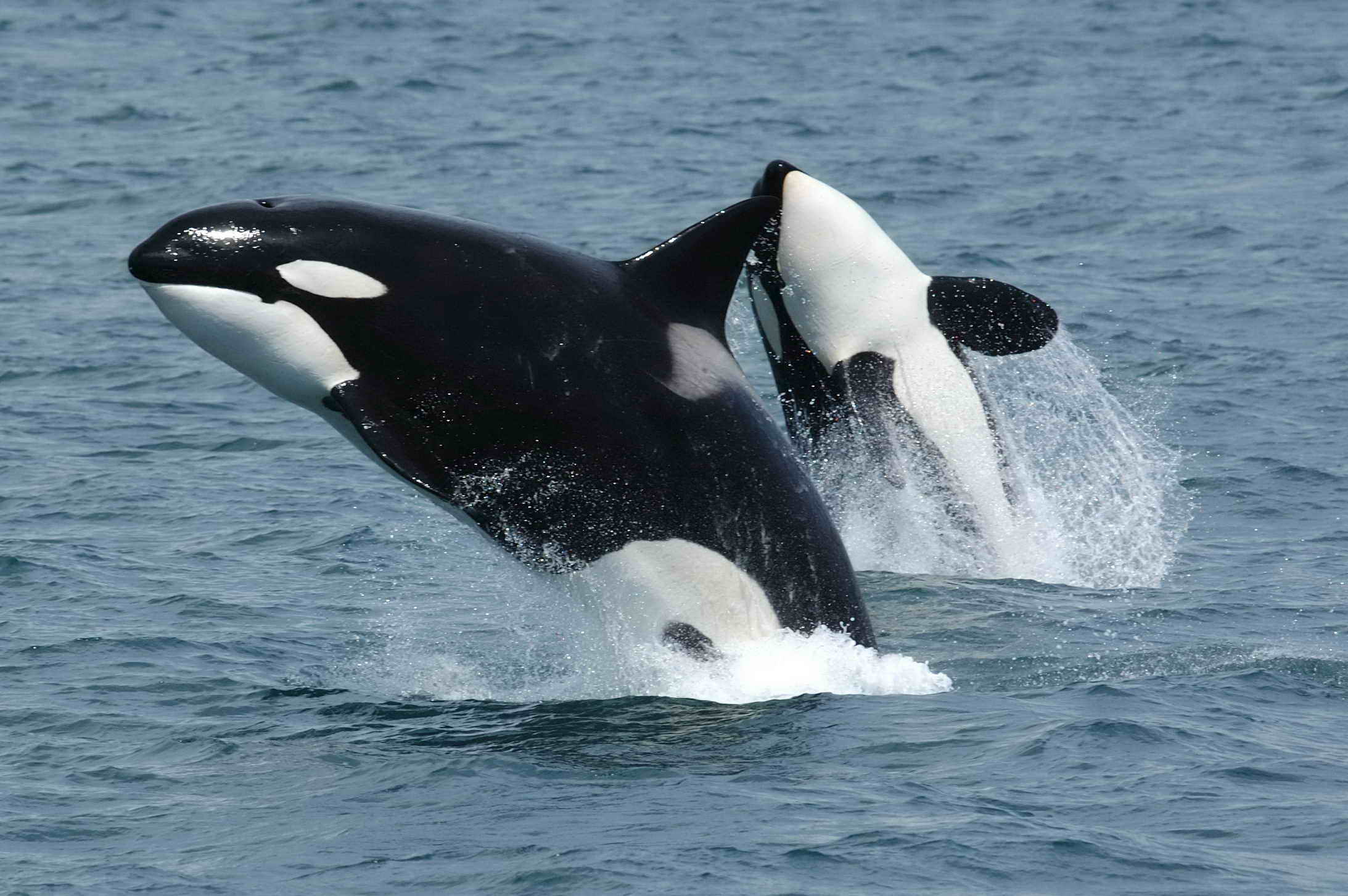
Orca (Orcinus orca) in an approved source image used for species identification.
- Status
- DD
- Guild
- cetaceans
- Reading level
- beginner
- Sources
- 4
Orca (Orcinus orca)
Status: needs expert review. The IUCN assesses the species globally as Data Deficient and recognises that its taxonomy is unresolved (multiple ecotypes, with some populations proposed as distinct species); a science reviewer should confirm the current assessment and the status of regional populations before approval. The orca, or killer whale (Orcinus orca), is the largest member of the dolphin family and the most widely distributed cetacean.
At a glance
| Field | Value | Source |
|---|---|---|
| Scientific name | Orcinus orca | WoRMS / authority |
| Guild | cetacean (oceanic dolphin) | — |
| IUCN status | Data Deficient (assessed 2017); global trend unknown | IUCN Red List |
| US ESA status | Only the Southern Resident Distinct Population Segment is listed Endangered; all populations MMPA-protected | NOAA Fisheries |
| International trade | CITES Appendix II | CITES |
| Range | All oceans; most widely distributed of all cetaceans | NOAA Fisheries |
Identification
A large black-and-white toothed cetacean. NOAA Fisheries reports lengths up to about 32 feet (roughly 10 m) and weights up to about 11 tons. Distinctive features include the tall dorsal fin (taller and straighter in adult males), a white eye patch, and a grey "saddle" behind the dorsal fin. Coloration and fin shape vary by ecotype.
Ecology and behavior
NOAA Fisheries describes orcas as apex predators with the most varied diet of all cetaceans: diet varies sharply by population and ecotype, with some populations specializing on fish (notably salmon) and others on marine mammals and squid. Different ecotypes show distinct foraging, vocal, and social patterns; NOAA Fisheries gives typical lifespans of around 30 years for males (up to 60+) and around 50 years for females (up to 90+). Behavioral and ecotype distinctions should be cited to published research and confirmed in review.
Conservation status and threats
The IUCN Red List lists Orcinus orca globally as Data Deficient (assessed 2017): there is not enough information to assess global extinction risk, partly because the species comprises multiple ecotypes that may warrant separate assessment. This global "Data Deficient" label does not mean individual populations are secure. NOAA Fisheries lists the Southern Resident Distinct Population Segment as Endangered under the US Endangered Species Act, with reduced prey availability (especially Chinook salmon), vessel disturbance and underwater noise, and bioaccumulated chemical contaminants among the principal threats; oil spills and fishing-gear entanglement are also listed. The species is on CITES Appendix II. Report figures as the cited authorities state them; a reviewer should confirm population-level detail.
How to observe responsibly
Orca watching is regulated and rules vary by region. NOAA Fisheries advises observing whales from a safe distance of at least 100 yards (about 91 m); in Washington State waters, federal rules prohibit approaching within 200 yards of a Southern Resident killer whale. Follow the reviewed observation guide and the strictest applicable local rule. If an animal changes its behavior because of your presence, you are too close — withdraw. This page keeps to regional granularity (ETHICS.md) and does not publish precise locations.
How you can help
- Log sightings to a recognized citizen-science platform (see the iNaturalist dataset card).
- Support salmon-recovery, quieter-vessel, and contaminant-reduction programs through credible organizations such as Whale and Dolphin Conservation.
- Report dead, injured, or entangled animals to your regional marine-mammal stranding network.
Sources (4)
Every claim traces to one of the citations below. Anything that could not be sourced was left out.
- [1]Tier 1 · Peer-reviewedIUCN Red List — Orcinus orca (Killer Whale)Accessed 2026-06-16
- [2]Tier 2 · InstitutionalNOAA Fisheries — Killer WhaleAccessed 2026-06-16
- [3]Tier 2 · InstitutionalNOAA Fisheries — Southern Resident Killer Whale (ESA-listed DPS)Accessed 2026-06-16
- [4]Tier 2 · InstitutionalCITES Appendices (Orcinus orca listed Appendix II)Accessed 2026-06-16
Related in the commons
Salish Sea, Washington & British Columbia
The Salish Sea is a transboundary inland sea shared by the United States and Canada. The SeaDoc Society defines it as the connected marine waters that include Puget Sound, the San Juan Islands, and the waters off Vancouv
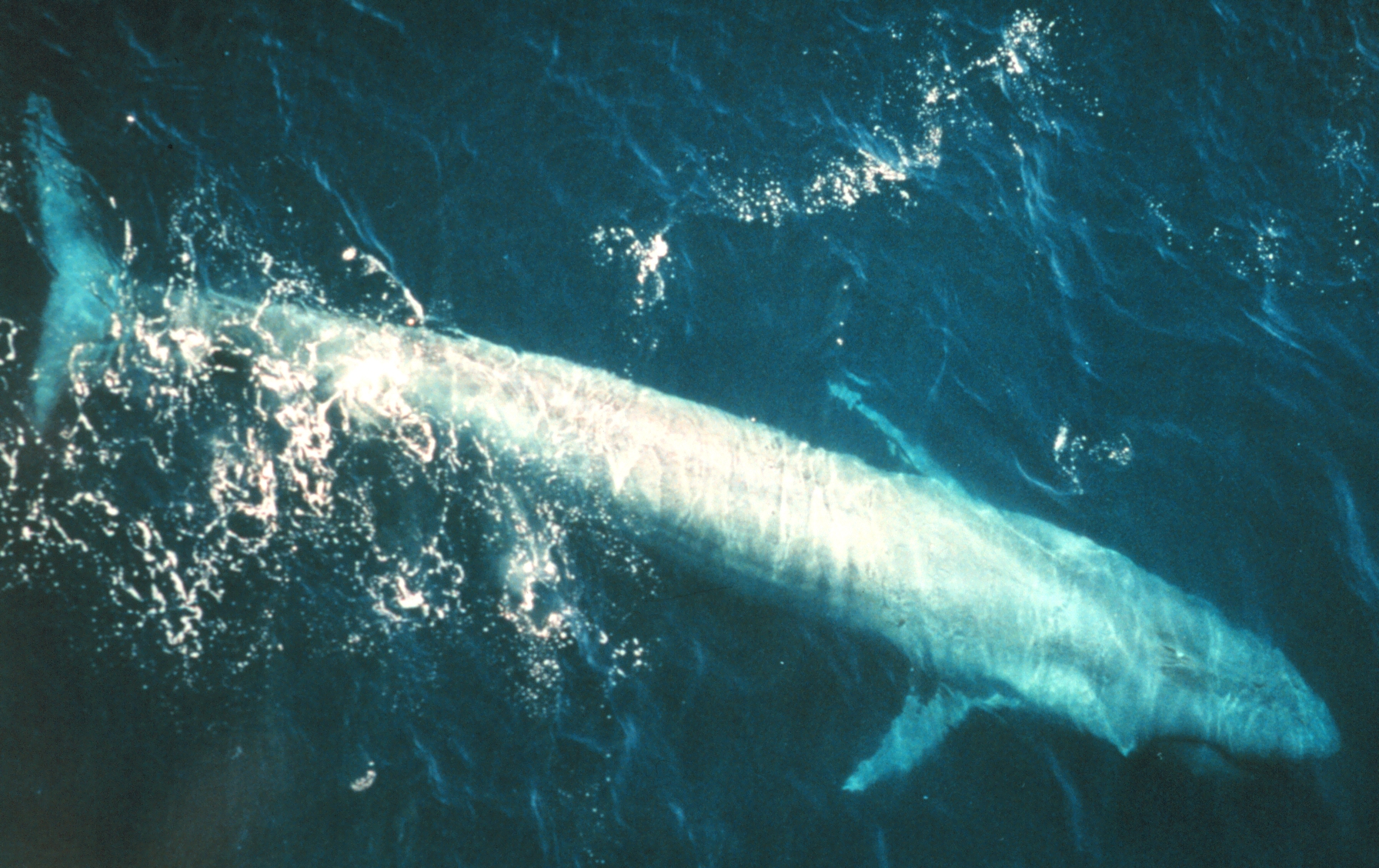
Image: NMFS Northeast Fisheries Science Center (NOAA) / Public domain
Blue Whale (Balaenoptera musculus)
A very large, slender baleen whale (rorqual). NOAA Fisheries describes animals that can reach roughly 110 feet (about 33 m) in the Antarctic, with a long mottled blue grey body, a small dorsal fin set far back, and a bro
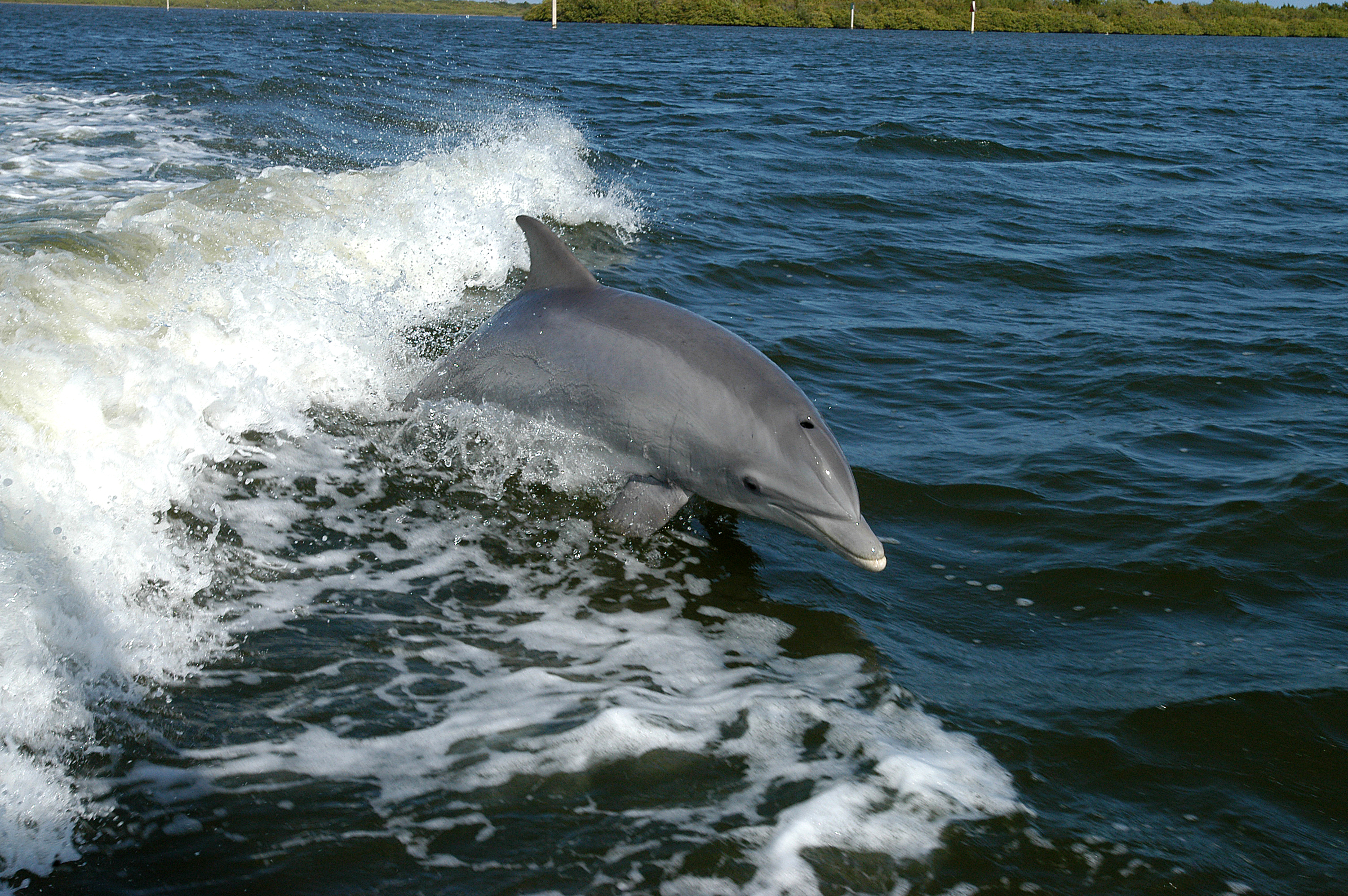
Image: NASA / Public domain
Common Bottlenose Dolphin (Tursiops truncatus)
A robust grey dolphin with a short, distinct beak and a curved (falcate) dorsal fin. NOAA Fisheries reports lengths of about 6 to 13 feet (roughly 2 to 4 m) and weights of about 300 to 1,400 pounds, with coastal and offs
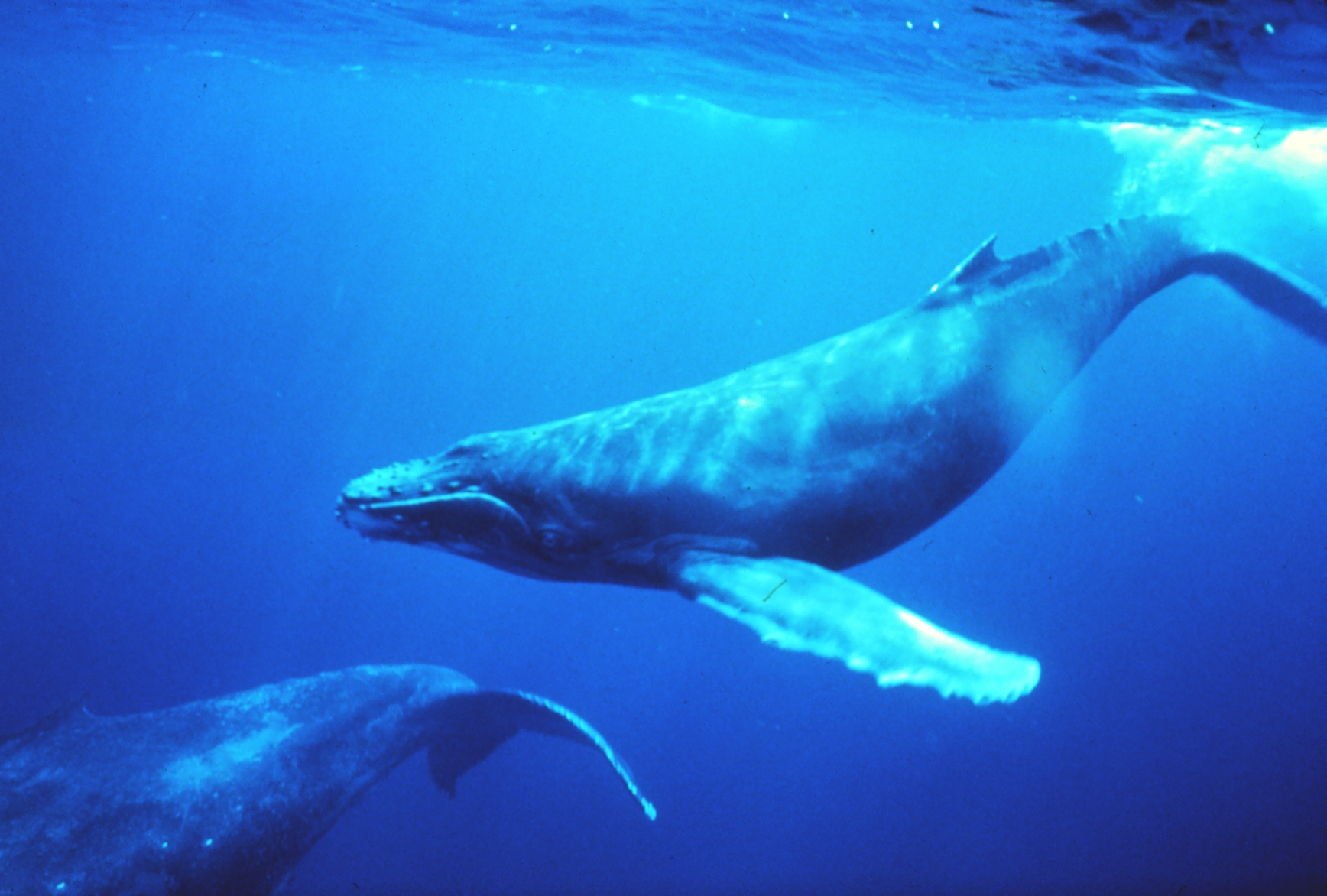
Image: Dr. Louis M. Herman. / Public domain
Humpback Whale (Megaptera novaeangliae)
A large baleen whale with very long pectoral fins (up to roughly a third of body length), a knobbly head (tubercles), and a small dorsal fin on a humped back. Often identified individually by the unique pattern on the un