Sperm Whale
Physeter macrocephalus
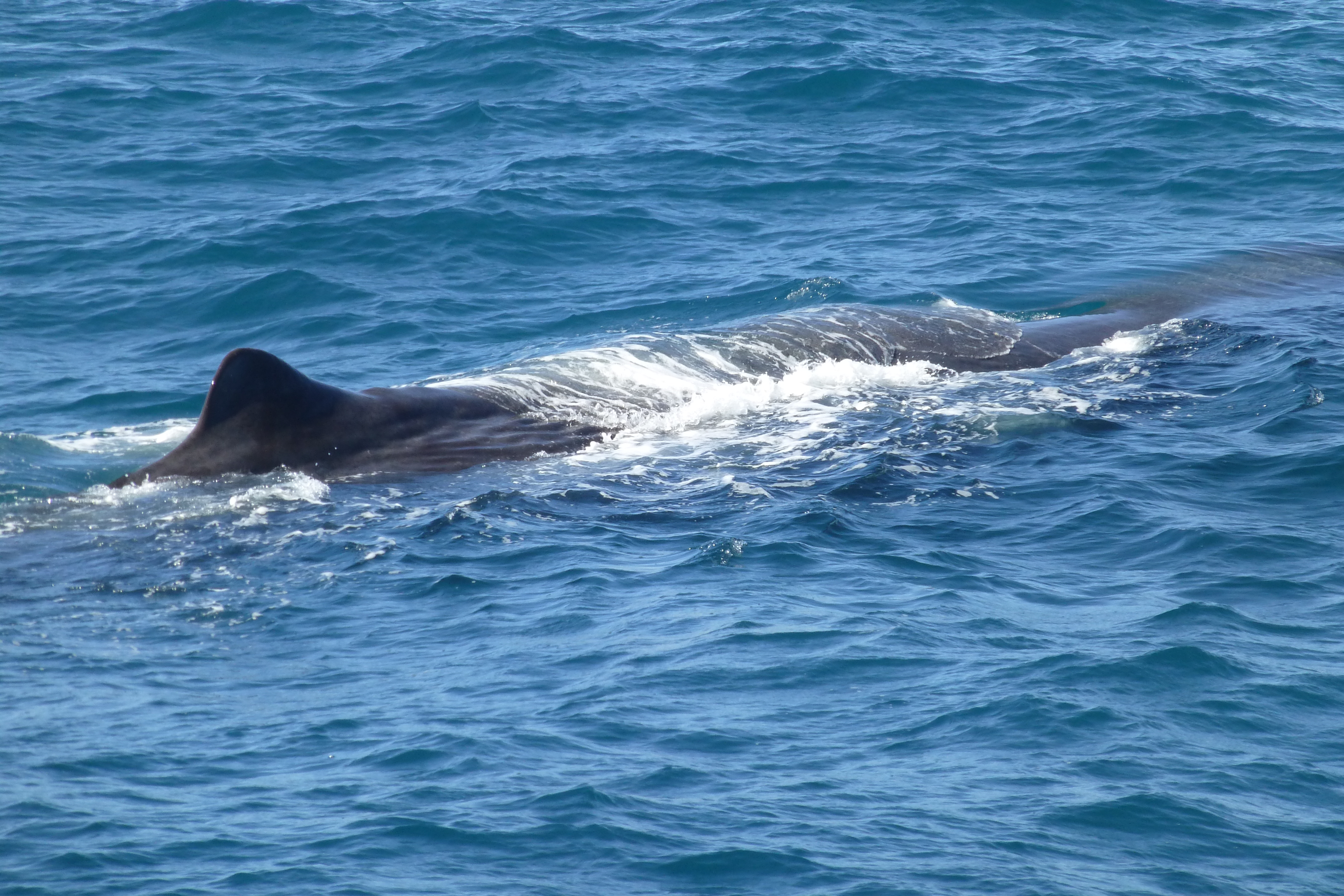
Sperm whale (Physeter macrocephalus) at Kaikoura, New Zealand.
- Status
- VU
- Guild
- cetaceans
- Reading level
- beginner
- Sources
- 3
Sperm Whale (Physeter macrocephalus)
Status: needs expert review. Conservation claims cite the IUCN Red List (assessed 2019) and NOAA Fisheries; a science reviewer should confirm the assessment is current before approval. The sperm whale (Physeter macrocephalus) is the largest toothed predator on Earth and a deep-diving specialist.
At a glance
| Field | Value | Source |
|---|---|---|
| Scientific name | Physeter macrocephalus | WoRMS / authority |
| Guild | cetacean (toothed whale) | — |
| IUCN status | Vulnerable (assessed 2019) | IUCN Red List |
| US ESA status | Endangered throughout its range; MMPA protected and depleted | NOAA Fisheries |
| International trade | CITES Appendix I | CITES |
| Range | Deep waters of all major oceans | IUCN Red List / NOAA Fisheries |
Identification
A large toothed whale with an enormous block-shaped head (which holds the spermaceti organ), wrinkled skin, and a single blowhole set to the left of the head, producing a distinctive forward-angled blow. NOAA Fisheries reports females reaching about 40 feet and males about 52 feet (roughly 12 to 16 m), making sperm whales strongly sexually dimorphic. The low, rounded dorsal hump and knuckled ridge along the back aid identification.
Ecology and behavior
Sperm whales are deep divers that NOAA Fisheries reports feed on squid, sharks, skates, and fish of deep waters, consuming roughly 3 to 3.5% of body weight daily, with a lifespan of up to about 60 years. They use powerful echolocation clicks to find prey in darkness, and females and young typically live in social units while males may range to higher latitudes. Behavioral specifics should be cited to published research and confirmed in review.
Conservation status and threats
Commercial whaling heavily depleted sperm whales, valued historically for spermaceti oil. The IUCN Red List assesses the species as Vulnerable (assessed 2019). NOAA Fisheries lists it as Endangered under the US Endangered Species Act and protected and depleted under the Marine Mammal Protection Act, and identifies threats including vessel strikes, entanglement in fishing gear, ocean noise, marine-debris ingestion, climate-change impacts, oil spills, and contaminants. The species is on CITES Appendix I. Report figures as the cited authorities state them; a reviewer should confirm subpopulation specifics.
How to observe responsibly
NOAA Fisheries advises viewers to maintain a minimum distance of at least 100 yards (about 91 m) from whales and limit observation to 30 minutes or less. Sperm whales spend long periods at depth and surface to recover between dives; do not position vessels to block their path. Follow the reviewed observation guide and your region's marine-mammal viewing rules, which may set stricter distances. If an animal changes its behavior because of your presence, you are too close — withdraw. This page keeps to regional granularity (ETHICS.md) and does not publish precise locations.
How you can help
- Log sightings to a recognized citizen-science platform (see the iNaturalist dataset card).
- Support quieter-shipping, marine-debris-reduction, and vessel-strike-reduction programs through credible organizations such as Whale and Dolphin Conservation.
- Report dead, injured, or entangled whales to your regional marine-mammal stranding network.
Sources (3)
Every claim traces to one of the citations below. Anything that could not be sourced was left out.
Related in the commons
Azores, Portugal
The Azores are a Portuguese archipelago in the central North Atlantic, sitting atop the Mid Atlantic Ridge. The volcanic islands rise from a seafloor studded with seamounts, and the deep water close to shore makes the ar
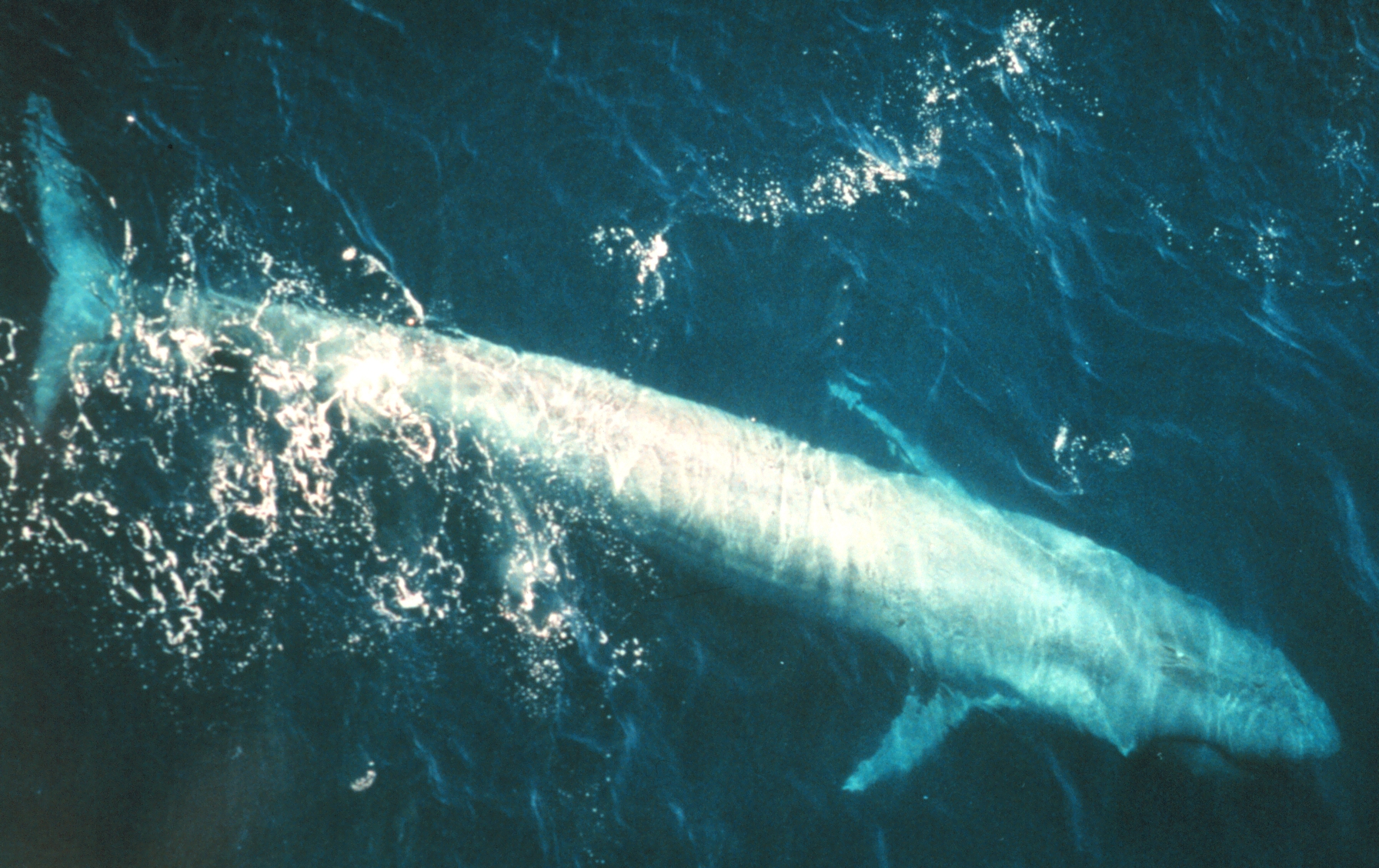
Image: NMFS Northeast Fisheries Science Center (NOAA) / Public domain
Blue Whale (Balaenoptera musculus)
A very large, slender baleen whale (rorqual). NOAA Fisheries describes animals that can reach roughly 110 feet (about 33 m) in the Antarctic, with a long mottled blue grey body, a small dorsal fin set far back, and a bro
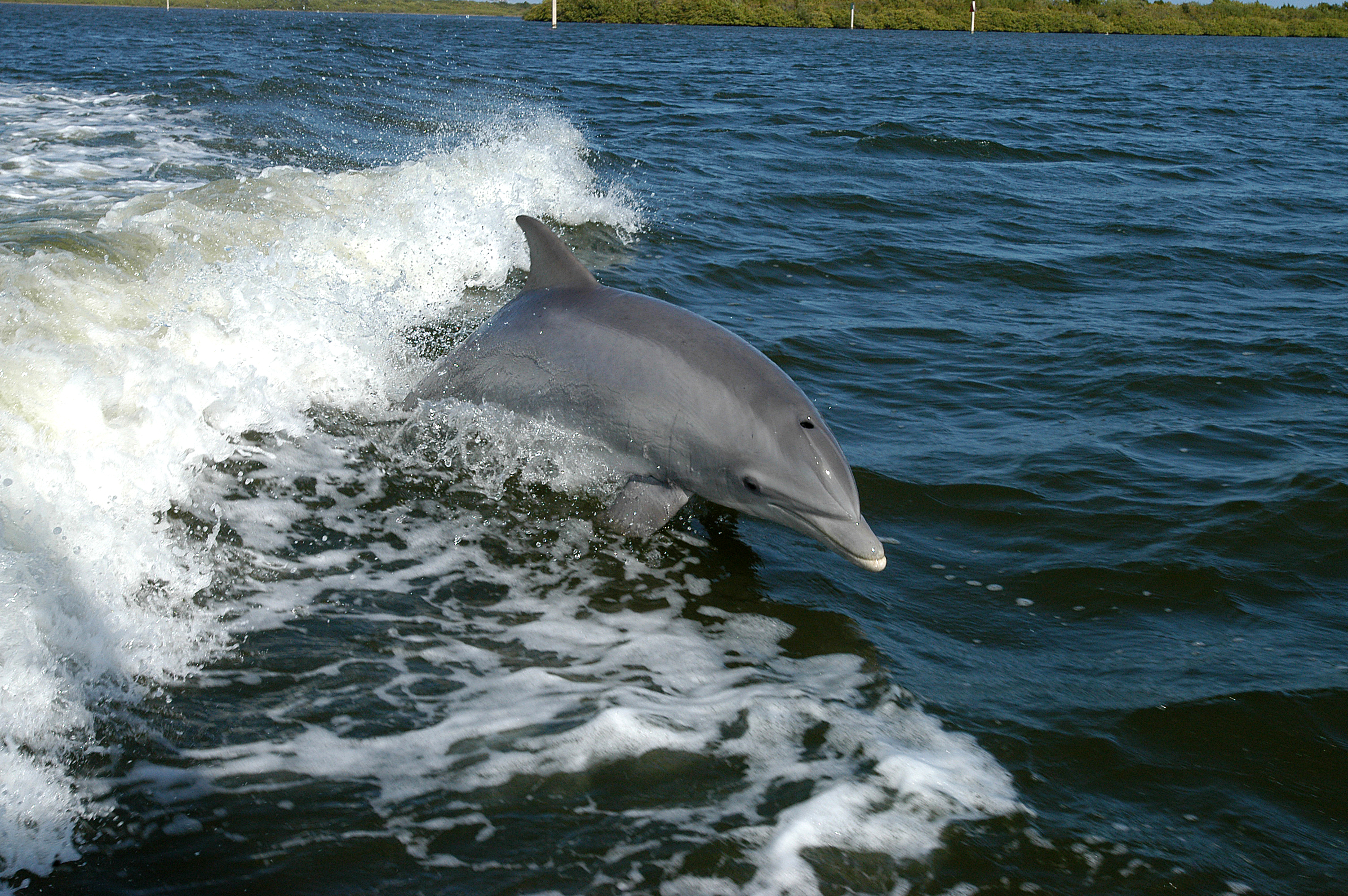
Image: NASA / Public domain
Common Bottlenose Dolphin (Tursiops truncatus)
A robust grey dolphin with a short, distinct beak and a curved (falcate) dorsal fin. NOAA Fisheries reports lengths of about 6 to 13 feet (roughly 2 to 4 m) and weights of about 300 to 1,400 pounds, with coastal and offs
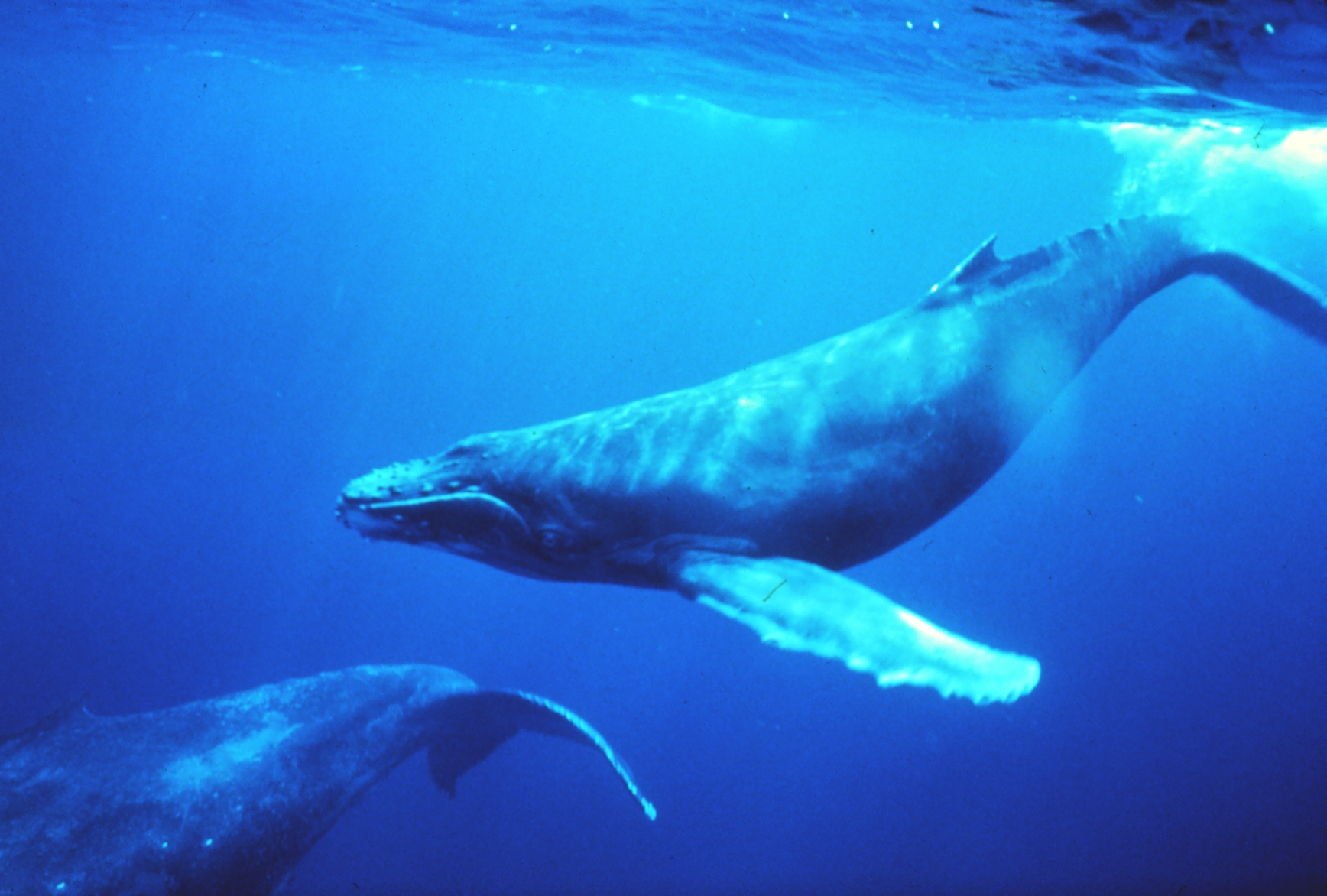
Image: Dr. Louis M. Herman. / Public domain
Humpback Whale (Megaptera novaeangliae)
A large baleen whale with very long pectoral fins (up to roughly a third of body length), a knobbly head (tubercles), and a small dorsal fin on a humped back. Often identified individually by the unique pattern on the un