Whale Shark
Rhincodon typus
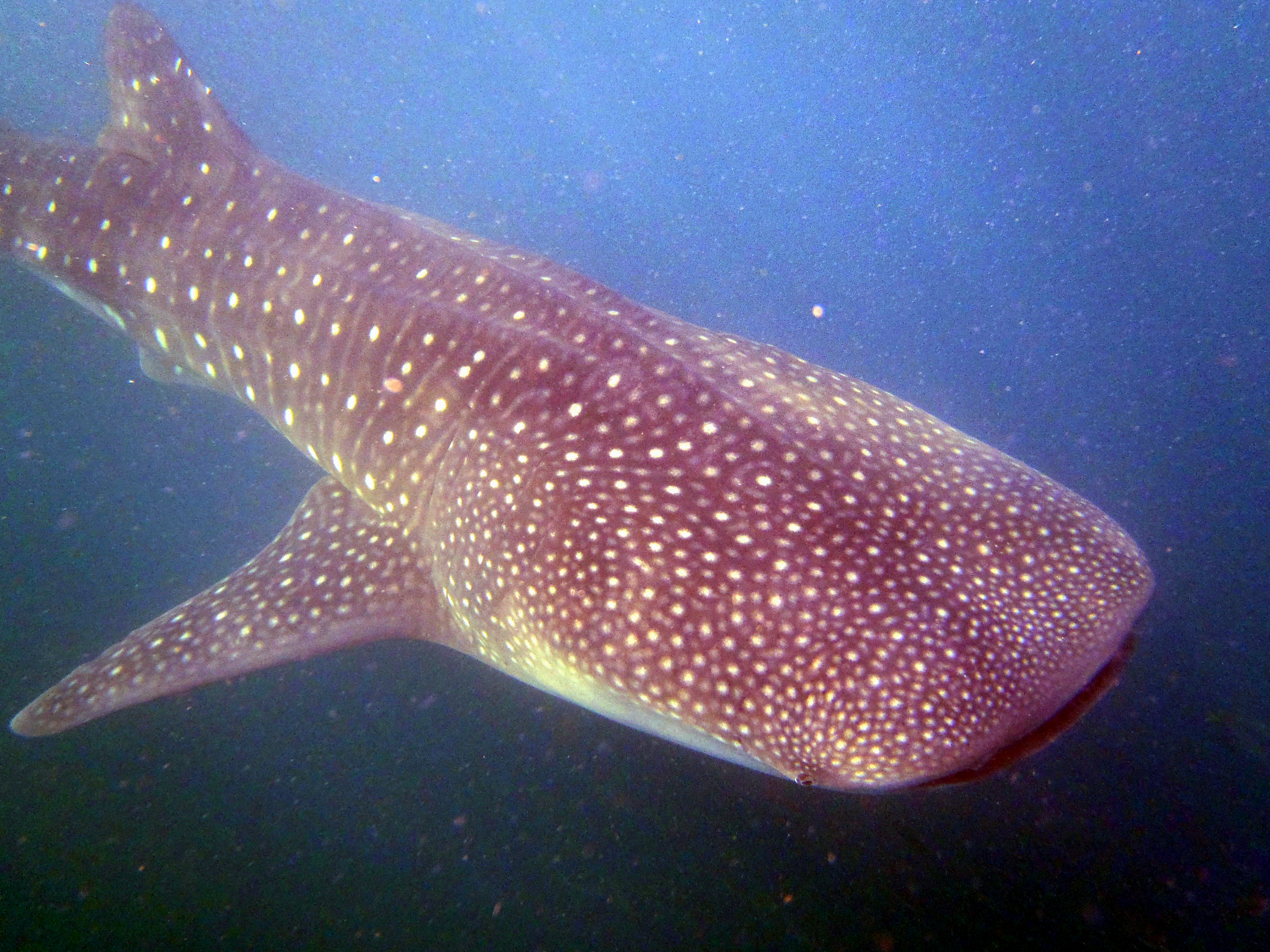
Whale Shark (Rhincodon typus) in an approved source image used for species identification.
- Guild
- sharks rays
- Reading level
- beginner
- Sources
- 3
Whale Shark (Rhincodon typus)
Status: needs expert review. Conservation claims below cite the IUCN Red List and CITES; a science reviewer should confirm the assessment is current before this page is marked approved. The whale shark (Rhincodon typus) is the largest living fish — a slow-moving, filter-feeding shark of warm oceans worldwide.
At a glance
| Field | Value | Source |
|---|---|---|
| Scientific name | Rhincodon typus | — |
| Guild | sharks-rays | — |
| IUCN status | Endangered (assessed 2016) | IUCN, 2016 |
| Population trend | Decreasing | IUCN Red List |
| International trade | CITES Appendix II (since 2003) | CITES |
| Range | Tropical and warm-temperate oceans worldwide | IUCN Red List |
Identification
The whale shark is unmistakable: a very large shark (the largest fish species), dark grey above with a distinctive pattern of pale spots and stripes, a broad flattened head, and a huge terminal mouth used for filter feeding. The spot pattern is individually unique — which is the basis for photo-identification citizen science (see below).
Ecology and behavior
Whale sharks are filter feeders, straining plankton and small fishes from the water. They are highly migratory and form seasonal aggregations at predictable feeding sites in several regions. Despite their size they are harmless to people. Detailed behavioral claims should be cited to published research and confirmed in review.
Conservation status and threats
The whale shark was assessed Endangered on the IUCN Red List in 2016, with a decreasing population trend. The IUCN update reported an inferred decline of more than 50% over roughly the last 75 years globally; the Indo-Pacific subpopulation was assessed as Endangered (a larger inferred decline) and the Atlantic subpopulation as Vulnerable. Principal threats are fisheries pressure (target and bycatch) and vessel strikes on these slow, surface-feeding sharks. International trade is regulated under CITES Appendix II (listed 2003).
These figures are reported as the cited authorities state them. A science reviewer should confirm whether a more recent assessment supersedes the 2016 listing.
How to observe responsibly
Whale shark tourism exists in several regions and is often regulated. This page does not provide approach guidance — follow the reviewed observation guide and the local regulations for your region, which set minimum distances, no-touch rules, and seasonal limits. Where aggregation sites are sensitive, this page intentionally keeps to regional granularity (ETHICS.md). If an operator encourages touching, feeding, or riding animals, that is a red flag, not an experience.
How you can help
- Contribute fluke/flank photos to recognized whale-shark photo-ID programs, which use the unique spot patterns to track individuals.
- Log sightings to a recognized citizen-science platform (see the iNaturalist dataset card).
- Support fisheries-bycatch reduction and vessel-strike mitigation through credible organizations.
Sources (3)
Every claim traces to one of the citations below. Anything that could not be sourced was left out.
Related in the commons
Ethical Whale Shark Observation at Ningaloo (with a licensed operator)
Join a licensed whale shark tour at Ningaloo Marine Park during the season and observe the world's largest fish without disturbing it — then contribute your observation to citizen science. This is a beginner friendly in
Ningaloo Coast, Western Australia
The Ningaloo Coast, on the remote western coast of Australia near Exmouth, was inscribed on the UNESCO World Heritage List in 2011 as a 604,500 hectare marine and terrestrial property. It includes Ningaloo Marine Park (e
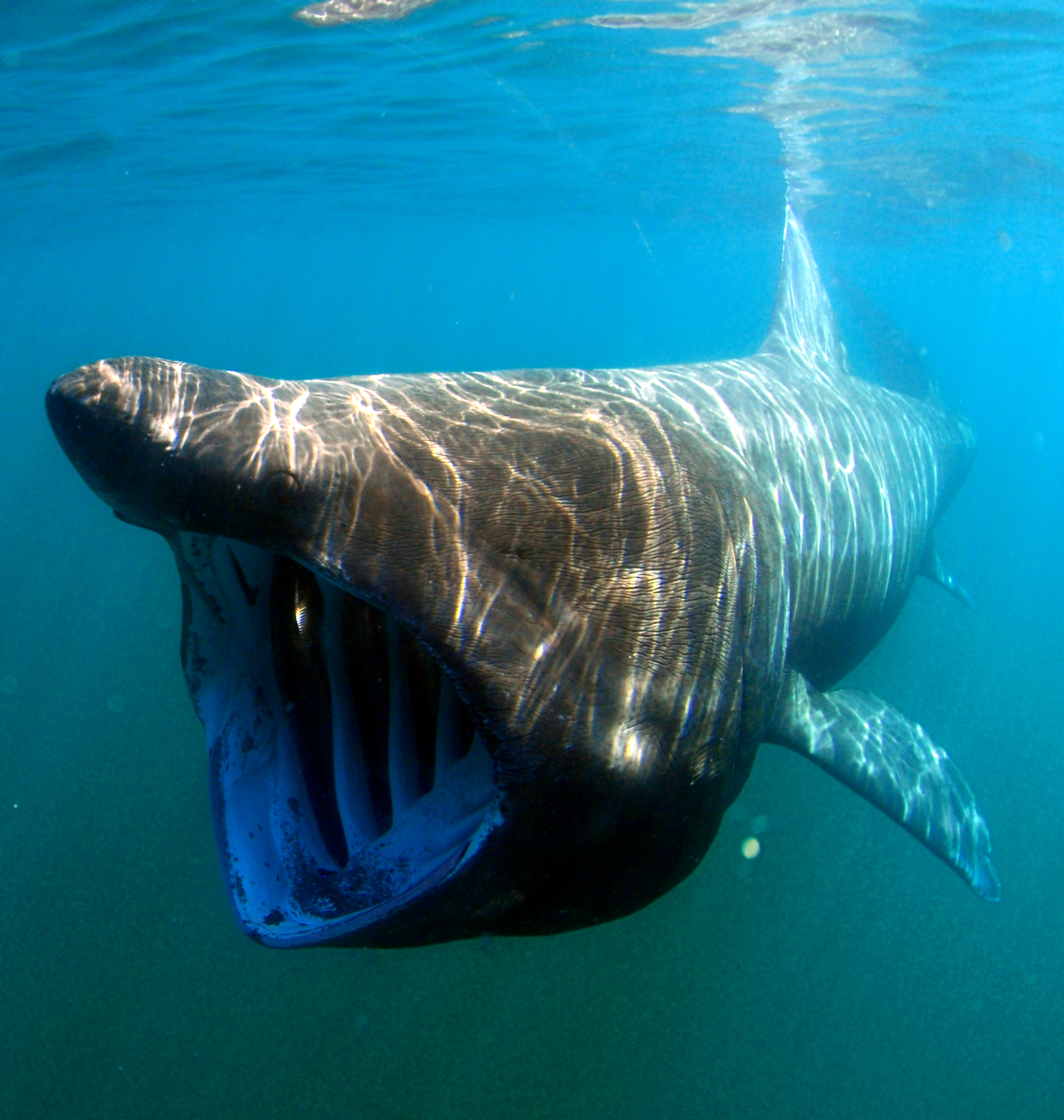
Image: Greg Skomal / NOAA Fisheries Service / Public domain
Basking Shark (Cetorhinus maximus)
The basking shark is one of the most recognizable sharks: an enormous body, a bulbous conical snout, and very large gill slits that nearly encircle the head. The mouth is large and subterminal, with many small hooked tee
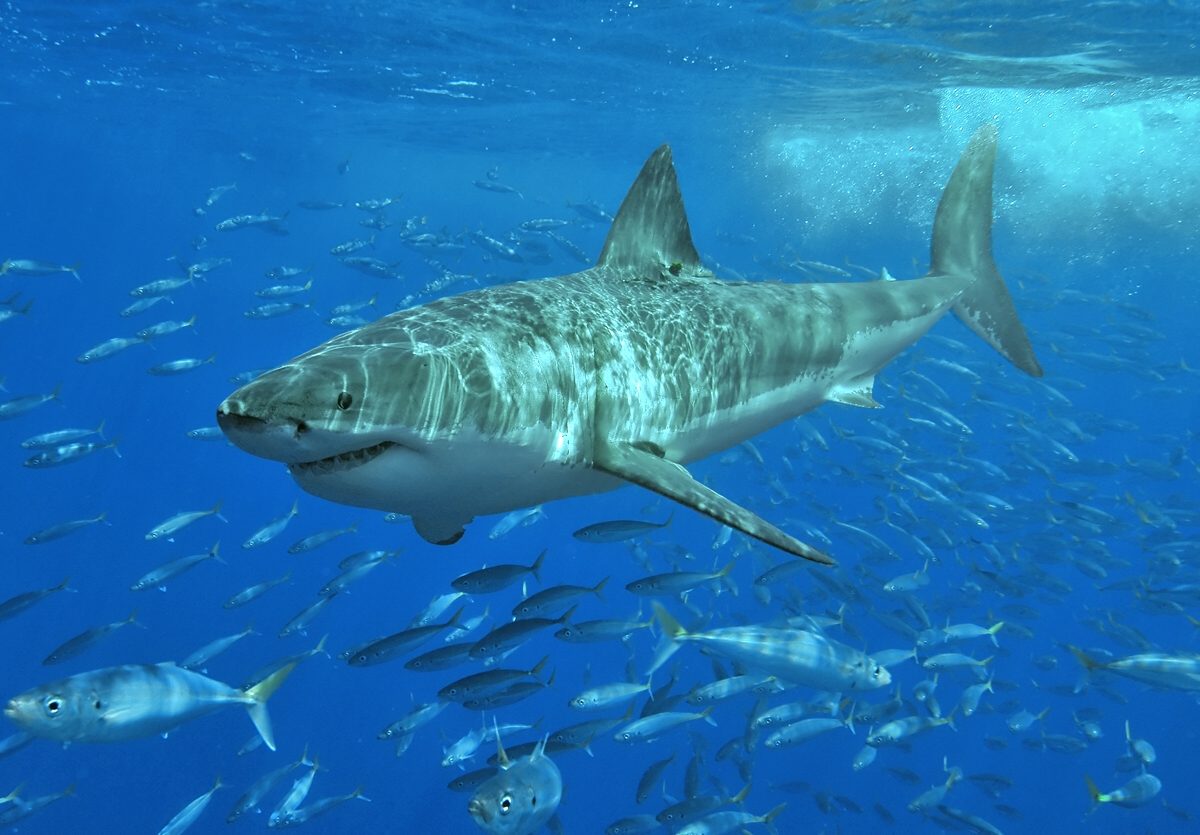
Image: Pterantula (Terry Goss) at en.wikipedia / CC BY 2.5
Great White Shark
The great white shark, also known as the white shark, is a species of large lamniform shark found in the coastal surface waters of all major oceans. It is notable for its size, predatory capabilities, and role as an apex